Tushar Mehta / Android Authority
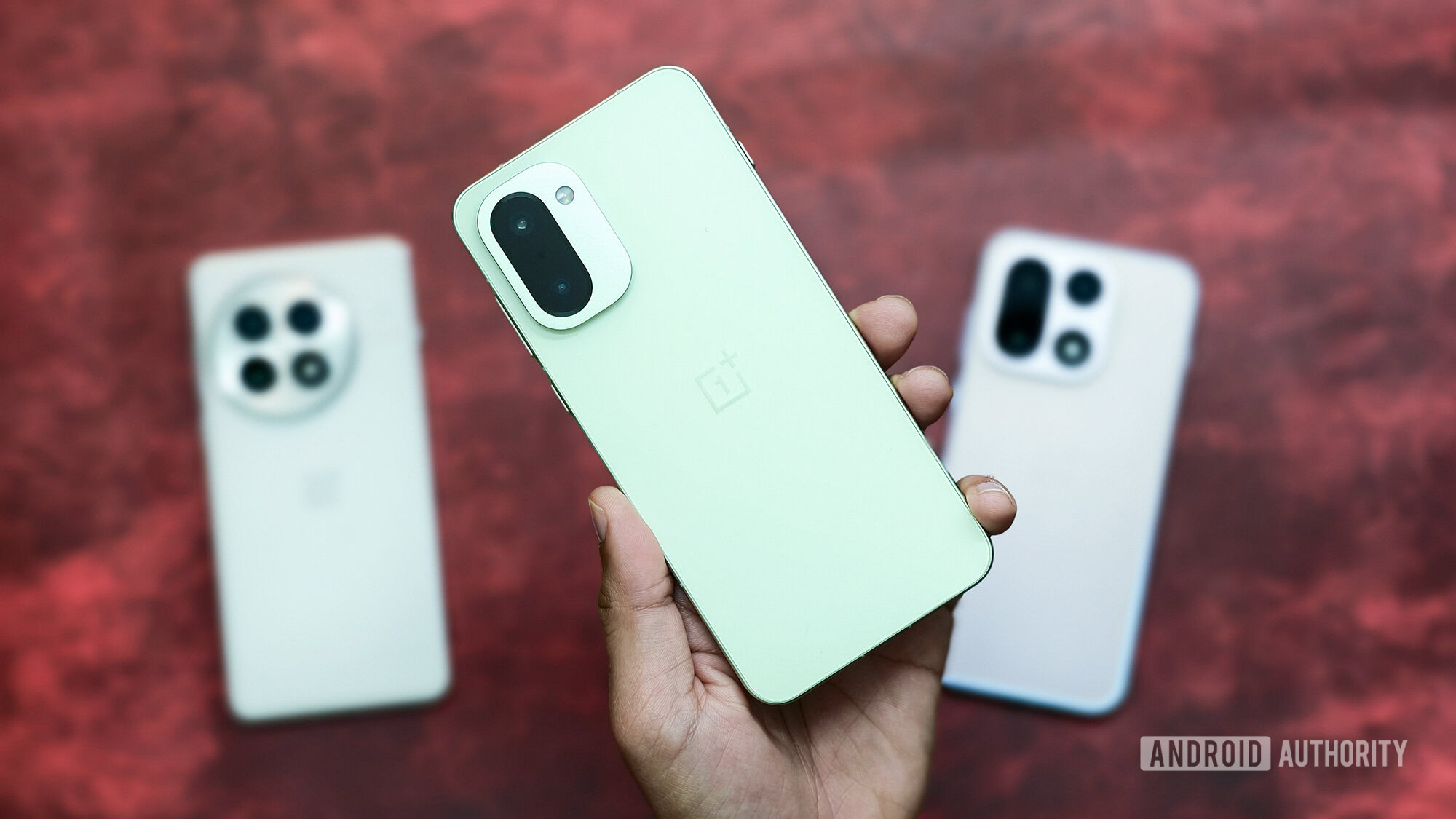
Something is going on over at BBK headquarters, but you don’t need rumors and insider reports to be a little worried about one of Android’s vintage brands. A quick look at OnePlus’ recent flagships is enough to raise eyebrows alone.
OnePlus North America continues to operate, with full guarantee of users’ after-sales support, software updates, and rights commitments.
Despite explosive (and often combative) early years carving out a place at the Android table, recent models have more often than not failed to live up to the brand’s feisty reputation. This dichotomy is perfectly summed up by last year’s flagship smartphones: the brilliant OnePlus 13 and far more mediocre OnePlus 15. Two phones, released in the same year by the same company, yet they feel so far apart in execution.
One year, two very different phones

Joe Maring / Android Authority
Flashback to the early months of 2025: the OnePlus 13 landed to almost universal acclaim. The core difference between its predecessor (and successor) was that the OnePlus 13 was finally a flagship with no major compromises. Years of questionable camera performance, missing wireless charging, and underbaked IP ratings were instantly consigned to history.
Fans and pundits felt like the handset was a return to the brand’s early promise — a potent combination of specs and price that lives up to the “Never Settle” mantra that has so often eluded the brand in recent generations.
The aggressive flagship was undoubtedly good enough to take the fight even to Pro Max and Ultra rivals, all while costing substantially less. The OnePlus 13 was exactly what many of us envision the ideal OnePlus phone to be, even with the odd compromise or two. On the other hand, its successor is so stuffed with side-grades and trade-offs that it’s hard to believe it came from the same company just a few months later.
Hints at future OnePlus Pro models miss what can make the brand great.
To be fair, the OnePlus 15 has its charms; the larger battery, 165Hz display, and tougher glass are nice upgrades that perhaps should have landed with a bit more fanfare. However, few would argue they’re worth notably downgraded cameras, a lower pixel density display, cluttered software, and inconsistent performance under stress. Likewise, a similar set of trade-offs sees the affordable OnePlus 15R struggle compared to its predecessor, and the price increase was always going to be contentious. And this was before the major RAM price hikes.
Overall, the feeling is that the two phones don’t quite target the same spec-savvy consumers. One holds no punches, while the other is a clear case of weighing up the pros and cons. OnePlus’ claim that it’ll target “Pro” models in the future further suggests (at least to me) that it doesn’t firmly know what the OnePlus brand should be, who it should be building phones for, and why it should still try to be at least a bit different from everybody else.
Of course, one brilliant smartphone after years of 7/10s doesn’t break the trend. If anything, the OnePlus 15 was simply a very quick return to the mean. But that hints at a deeper problem that’s been buried within the company for some time.
Living in OPPO’s shadow

Ryan Haines / Android Authority
If you’ve been eyeballing every OnePlus and OPPO release of the past few years, you’ll have no doubt noticed a virtually identical design language between the two. The OnePlus 13 and OPPO Find X8 Pro look very similar, as do the OnePlus 15 and OPPO Find X9 Pro. This obviously isn’t by accident; we can trace the trend back to a brand merger spanning a few years around the turn of the decade that combined their software and hardware design teams. There are clear spec differences, but if you’ve used both phones side by side, OnePlus’s OxygenOS and OPPO’s ColorOS are obviously very similar too. And that’s led to its own problems; OnePlus fans don’t care for the extra padding.
Still, in theory, combining efforts makes sense. It can reduce hardware design and manufacturing costs, and improve the viability of long-term software maintenance. Both of these points are increasingly important in the age of spiraling RAM and processor costs, and the expectation of years of software support.
Right or wrong, there’s a perception that OnePlus can never appear to best OPPO.
However, the trade-off is that it makes it much harder to differentiate products and avoid them stepping on each other’s toes — and there’s been a long-held feeling in some quarters that OnePlus isn’t “allowed” to outshine the main brand. The often cited example is that the OnePlus 15 lost the long-running Hasselblad partnership to OPPO, which, along with weaker camera specs, has had a detrimental impact on the phone’s image quality. Why the two can’t share the best tech the company has to offer has left us all scratching our heads.
While this might help the financials in the short term, it might ultimately hurt each brand’s prospects in the long run. We all want to see OnePlus phones delivering unbeatable specs for the price, regardless of what OPPO is doing in other markets.

This isn’t a new complaint with OnePlus, but looking at its 2025 product lineup, the reported cancellation of future projects, and rumors of internal restructuring put things in a new light. The brand might not be going anywhere anytime soon, but it appears OnePlus has an increasingly limited range in which to operate, making it all the more difficult to build the sort of phones that could actually revive the brand’s fortunes.
What concerns me is that I’ve been around long enough to see these signs before. HTC gradually lost its unique design language as it slowly descended into irrelevance. LG’s desperate dartboard portfolio left everyone scratching their head about who it was building phones for. Both were once major players who denied reports of the circling vultures right up until they called it quits.
Identity matters, especially for brands that need to break the Apple/Samsung duopoly.
Market exits might come suddenly, but the signs are usually there long before the plug is finally pulled. More recent demises of ASUS and Sony (which outsourced future development) were also telegraphed if you knew where to look. I just hope the OnePlus 13’s brilliance wasn’t an aberration and that there’s enough time left for lightning to strike again.
Don’t want to miss the best from Android Authority?


Thank you for being part of our community. Read our Comment Policy before posting.