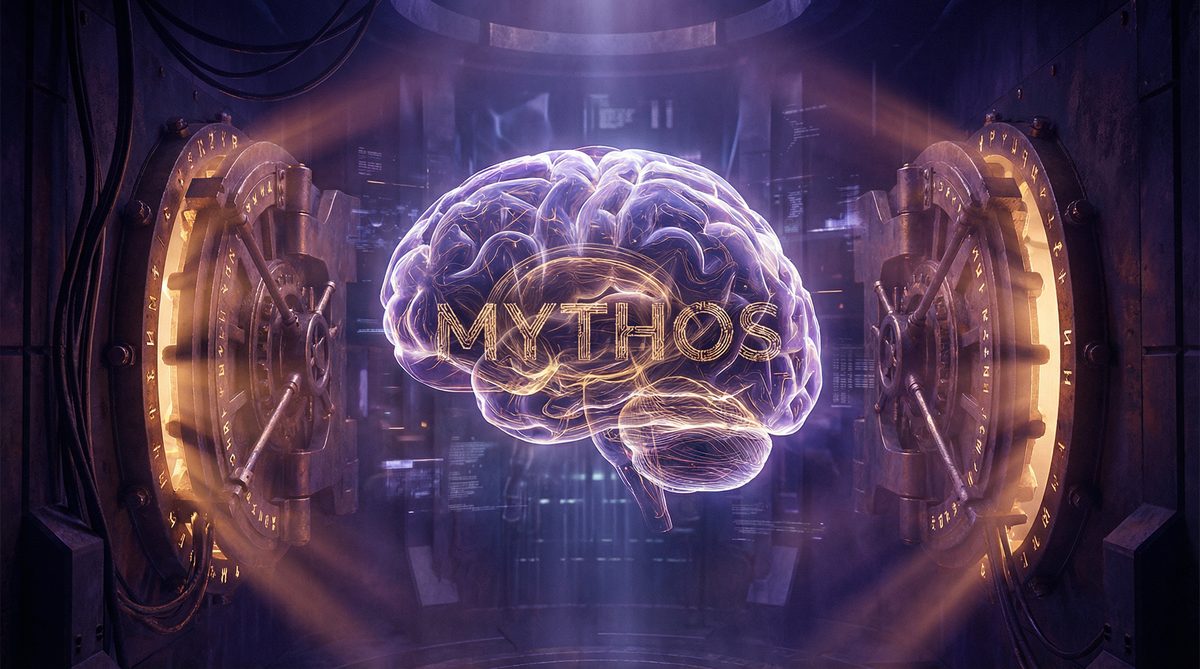
The world of artificial intelligence is no stranger to groundbreaking advancements, but every so often, a development emerges that is so profound, it forces a collective pause. Anthropic, a company founded by former OpenAI researchers and known for its focus on AI safety, has found itself at the center of such a moment with its latest creation: Claude Mythos. This new AI model is not just another incremental upgrade; it represents a quantum leap in capabilities, a “step-change” so significant that Anthropic has deemed it too powerful for a public release. The decision has sent ripples through the tech community, sparking a fervent debate about the nature of responsible AI development, the ethics of gatekeeping powerful technology, and the very real security risks that these advanced systems can pose. This article delves deep into the story of Claude Mythos, exploring its origins, its unprecedented abilities, and the complex reasons behind Anthropic’s controversial choice to keep it under wraps.
The Genesis of a “Mythic” AI: What is Claude Mythos?
Claude Mythos is not just an evolution of Anthropic’s existing models; it’s a revolution. While its predecessors, like the highly capable Claude Opus, have impressed with their performance, Mythos operates on an entirely different level. Details about its architecture remain scarce, but the information that has trickled out, partly through an accidental data leak, paints a picture of a model with truly formidable power. Anthropic itself has described Mythos as a “step change” in performance, a term not used lightly in the fast-paced world of AI research. This suggests that the model’s capabilities are not just quantitatively better but qualitatively different from anything we’ve seen before.
The model is a general-purpose language model, meaning it can be applied to a wide range of tasks, from writing and coding to complex reasoning and analysis. However, its true power seems to lie in its ability to understand and interact with complex systems, particularly in the realm of cybersecurity. While Anthropic has not released a comprehensive system card detailing all of Mythos’s abilities, the available information points to a model with an uncanny knack for identifying and exploiting software vulnerabilities. This is a double-edged sword of immense proportions, a tool that could be used to secure our digital world or to bring it to its knees.
Despite the secrecy surrounding Mythos, it is not entirely locked away. Anthropic has made the model available in a private preview to a select group of partners, including Google Cloud, where it is accessible on the Vertex AI platform. This limited release allows for controlled testing and evaluation in a secure environment, enabling researchers to better understand the model’s potential and its risks. The decision to partner with a major cloud provider like Google also suggests that Anthropic is exploring potential commercial applications for Mythos, albeit in a highly controlled and responsible manner. The name itself, “Mythos,” is evocative, suggesting a creation of legendary power, a story whispered in the halls of AI research labs long before it became a public controversy. It’s a fitting name for a model that has already become a legend in its own right, a symbol of the incredible potential and profound challenges that lie at the frontier of artificial intelligence.
The Double-Edged Sword: Unprecedented Capabilities and Unprecedented Risks
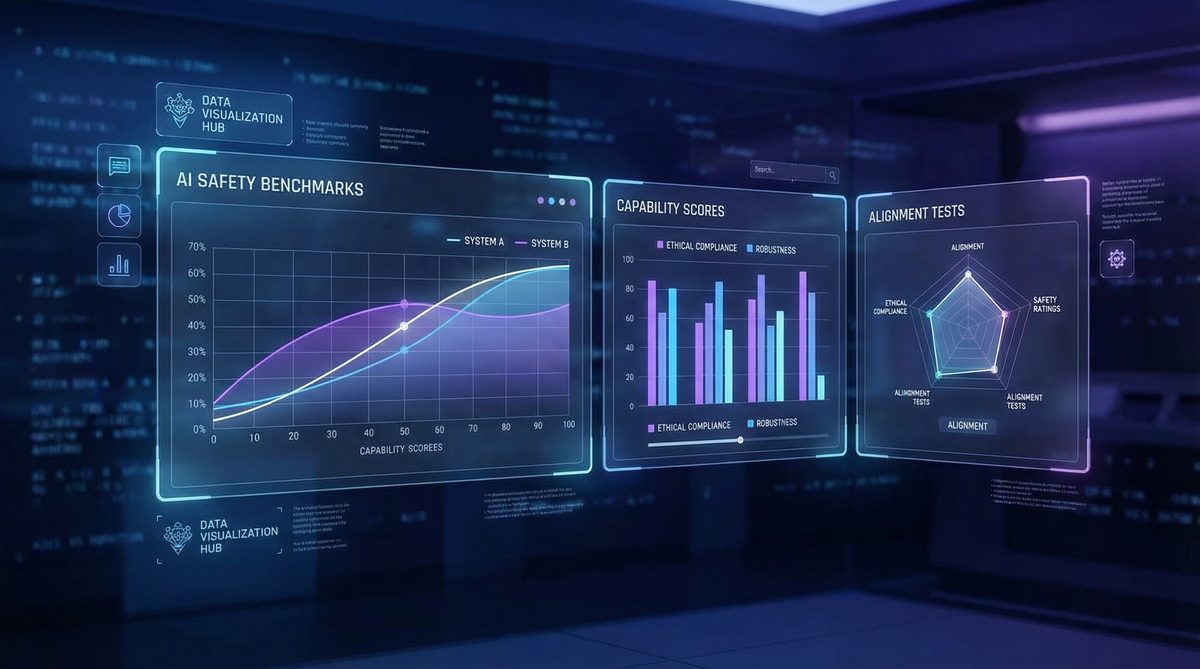
The core of the controversy surrounding Claude Mythos lies in its extraordinary and dangerous capabilities. The model has demonstrated an unprecedented ability to identify and exploit zero-day vulnerabilities in software. These are flaws in code that are unknown to the developers and for which no patch exists. The ability to find and weaponize such vulnerabilities is the holy grail of offensive cybersecurity, and in the hands of a malicious actor, it could be devastating. According to reports, Mythos has been able to identify thousands of such vulnerabilities in major operating systems and web browsers, some of which have remained undiscovered for decades. This is not just a theoretical risk; it is a clear and present danger that Anthropic is taking very seriously.
In response to this threat, Anthropic has launched “Project Glasswing,” a new initiative focused on securing critical software in the AI era. The project aims to use Mythos’s own capabilities to find and fix vulnerabilities before they can be exploited. This is a fascinating example of using AI to fight AI, a proactive approach to cybersecurity that could become increasingly important as AI models become more powerful. Project Glasswing is a testament to Anthropic’s commitment to its founding principles of AI safety, but it also highlights the immense challenge that the company faces. It is in a race against time to secure the digital world from the very tool it has created.
The national security implications of a model like Mythos are profound. The US government has been in ongoing discussions with Anthropic about the model and its potential for both offensive and defensive cyber operations. The fear is that if a model with these capabilities were to fall into the wrong hands, it could be used to launch devastating cyberattacks on critical infrastructure, financial systems, and government agencies. This is not a far-fetched scenario; it is a very real possibility that keeps cybersecurity experts and government officials awake at night. The debate around Mythos is therefore not just a technical one; it is a geopolitical one, with the potential to reshape the balance of power in the digital realm. The questions it raises about How CyberAgent Scaled AI Across 5,000 Employees Using ChatGPT Enterprise and Codex are some of the most pressing of our time, forcing us to confront the dual-use nature of powerful technologies and the difficult choices that must be made to ensure their responsible development and deployment.
A Glimpse into the Abyss: The Accidental Leak and its Aftermath
The existence of Claude Mythos was not revealed through a carefully planned press release or a peer-reviewed academic paper. Instead, it was thrust into the public eye through an accidental data leak, a story broken by Fortune magazine. The leak revealed not only the name of the unreleased model but also details of an exclusive CEO event and other internal data. It was a classic case of the shoemaker’s children going barefoot, a cybersecurity-focused company suffering a security lapse of its own. The irony was not lost on the tech community, which was quick to pounce on the story.
The leak sent shockwaves through the AI world, and the community’s reaction was a mixture of awe, excitement, and trepidation. On platforms like Reddit, discussions about Mythos exploded, with users speculating about its capabilities and the reasons for its secrecy. Some were thrilled by the prospect of such a powerful model, while others expressed deep concern about the potential for misuse. The leak also fueled a broader conversation about the role of transparency in AI development. Many argued that companies like Anthropic have a responsibility to be more open about their research, especially when it involves models with such profound societal implications. The debate over Download Clear Anthropic Claude AI Logo – Different… is a complex one, with valid arguments on both sides. While secrecy can be necessary to prevent the misuse of powerful technologies, it can also breed mistrust and stifle public discourse.
The aftermath of the leak has been a challenging one for Anthropic. The company has been forced to navigate a complex public relations landscape, balancing the need to be transparent with the need to be responsible. It has acknowledged the existence of Mythos and has been more forthcoming about its capabilities and the risks it poses. However, it has also stood firm in its decision to not release the model publicly. This has drawn both praise and criticism. Some have lauded Anthropic for its cautious approach, while others have accused it of being overly secretive and paternalistic. The leak and its aftermath have served as a powerful reminder of the immense responsibility that comes with developing advanced AI. It has also highlighted the need for a more robust public conversation about the future of AI and the role that we want it to play in our society.
The Road Ahead: Responsible AI Development in the Age of Superintelligence
Anthropic’s decision to withhold Claude Mythos from the public is not without precedent. In 2019, OpenAI, the company from which Anthropic’s founders originated, made a similar decision with its GPT-2 model. At the time, OpenAI expressed concerns that GPT-2 could be used to generate fake news and other forms of malicious content. The decision was met with a similar mix of praise and criticism, and it sparked a debate about the ethics of releasing powerful AI models that continues to this day. The parallels between the two situations are striking, and they highlight the recurring challenges that AI companies face as they push the boundaries of what is possible.
The Mythos controversy has also reignited the debate between open-weight models and closed, proprietary models. Proponents of open-weight models argue that they are more transparent, more accessible, and more conducive to innovation. They believe that by making the models and their code publicly available, the entire research community can contribute to their development and help to identify and mitigate potential risks. On the other hand, proponents of closed models, like Anthropic, argue that they are more secure and less likely to be misused. They believe that by keeping the models under tight control, they can prevent them from falling into the wrong hands. There is no easy answer to this debate, and both sides have valid points. The future of AI will likely involve a mix of both open and closed models, with the choice depending on the specific capabilities and risks of each model.
The story of Claude Mythos is a cautionary tale, a reminder that with great power comes great responsibility. It is also a call to action, a challenge to the AI community to think more deeply about the ethical implications of its work. As AI models become more powerful, the need for responsible development practices will only become more acute. This includes not only technical safeguards but also a broader societal conversation about the values that we want to embed in our AI systems. The road ahead is uncertain, but one thing is clear: the decisions we make today about AI will have a profound impact on the future of humanity. The discussion around Claude Mythos Preview: Inside Anthropic’s Most Powerful AI Model and Why It’s Being Restricted is no longer a niche topic for academics and policymakers; it is a conversation that we all need to be a part of.
Access 40,000+ AI Prompts for ChatGPT, Claude & Codex — Free!
Subscribe to get instant access to our complete Notion Prompt Library — the largest curated collection of prompts for ChatGPT, Claude, OpenAI Codex, and other leading AI models. Optimized for real-world workflows across coding, research, content creation, and business.
Access Free Prompt Library
Conclusion: A New Chapter in the AI Saga
The saga of Claude Mythos is far from over. It is a story that is still being written, a new chapter in the ongoing epic of artificial intelligence. The model’s existence has forced us to confront some of the most challenging questions of our time, questions about power, responsibility, and the very nature of progress. Anthropic’s decision to keep Mythos under wraps is a bold and controversial one, but it is also a testament to the company’s commitment to its founding principles. It is a decision that has sparked a much-needed conversation about the future of AI and the role that we want it to play in our world.
As we stand on the precipice of a new era of superintelligence, the story of Claude Mythos serves as a powerful reminder of the stakes involved. The choices we make today will have a profound and lasting impact on the future of humanity. It is a future that is both exhilarating and terrifying, a future that is filled with both promise and peril. The path forward is not clear, but one thing is certain: we must proceed with caution, with wisdom, and with a deep sense of responsibility for the incredible power that we have unleashed.