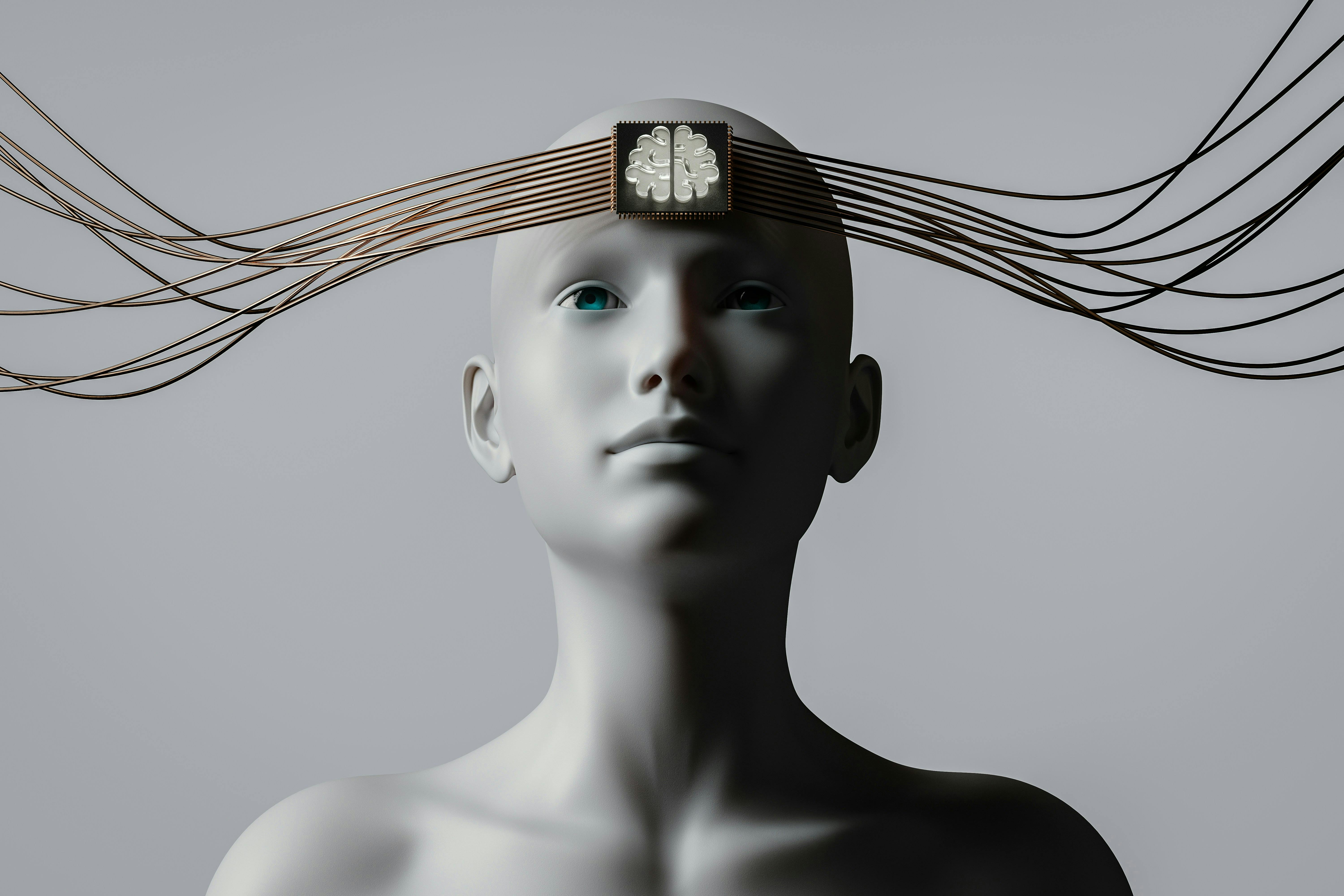
Neuralink isn’t sci-fi, but it’s far from solved. The company has built real, end-to-end engineering—high-channel neural implants, flexible electrode threads, custom silicon, a surgical robot, and a full software pipeline. The hard part isn’t reading brain signals; it’s doing so safely, reliably, and consistently over years in real humans.
Early demos (like cursor control) prove feasibility, not scalability. The true challenges are long-term biocompatibility, signal drift, wireless power and bandwidth limits, and repeatable surgical placement. Near-term impact is realistic for paralysis and assistive device control with clear metrics and value. Claims about broad cognitive enhancement remain far-future speculation.