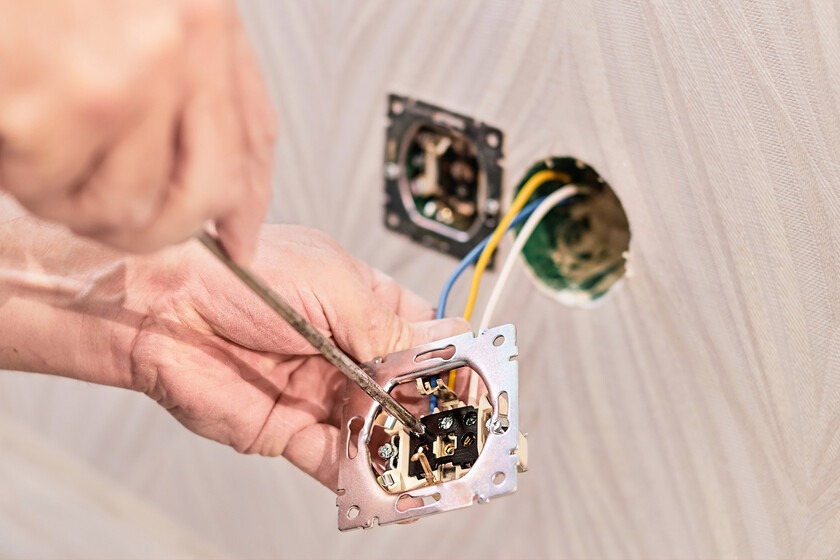
For years, adding a plug to your home was one of those small jobs that were barely thought twice about: a call to the electrician, a morning of work, and an affordable cost. However, that perception has changed. A video by electrician and popularizer Ricardo Abellán —known as @dombydomotica— has focused on a reality that many homeowners are beginning to notice in their budgets: installing a plug has gone from around 30 euros to around 50.
Al gets up. The increase in the cost of new plug points has become widespread in recent years, driven by structural changes in the electricity sector. To understand what is behind this increase, we must look beyond the final budget and pay attention to what is happening within the sector itself. This is how Luis Catalán explains it to WorldOfSoftware, business development director Home & Distribution de Schneider Electric Iberiawho points to a combination of economic, technical and regulatory factors that have completely transformed this type of facilities.
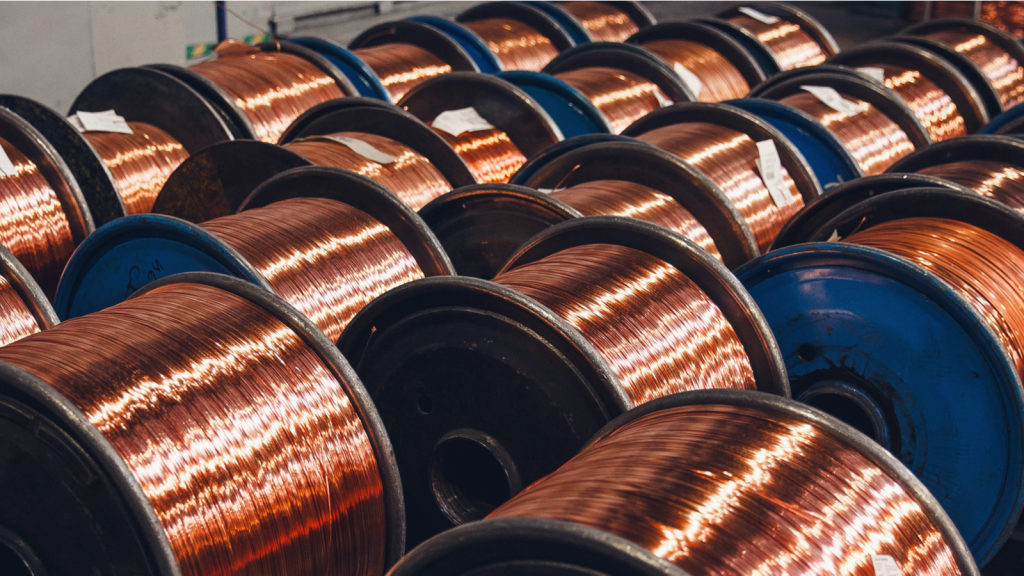
A rise that is not coincidental. The increase in the Price of installing a plug is not the result of an improvised rate increase. Behind it there is a sum of factors that have been putting pressure on the sector for years. As Luis Catalán explains, the increase in the cost of raw materials has had a direct impact on electrical materials, to which is added the higher cost of energy and an increasingly specialized workforce.
Added to all this are less visible expenses, such as transportation, insurance or the tax burden, which have been growing steadily. The result is a context in which even the smallest interventions are affected by a much more demanding cost structure than a decade ago.
More regulations, more technical complexity. However, the economic context does not explain everything. The most relevant change is in the evolution of the regulations and in the level of technical demand applied to any electrical installation. Both the Electrotechnical Regulations for Low Voltage (REBT) and the Technical Building Code (CTE) have tightened the requirements, forcing the use of certified materials and a more complex execution of the installations. A transformation aimed at improving security and energy efficiency in the home.
What once seemed like a quick job now requires much more attention. Placing a plug involves checking that the ground connection is in good condition, checking the differentials and ensuring that the installation supports the expected consumption. Furthermore, materials are no longer interchangeable: they must be certified and comply with regulations. As Catalán points out, ignoring these controls can translate into greater electricity consumption and, in the worst case, security problems inside the home.
Safety, at the center of the installation. This regulatory change has also raised the level of responsibility of the professional. At each new connection point, the electrician must guarantee that the entire installation is safe and complies with current regulations.
An approach that coincides with what Ricardo Abellán explained in his informative videos: before it was enough for the plug to work; Now it is essential to check that there is no risk of overload and that the electrical system responds correctly. If something fails, the responsibility falls directly on the installer, which adds an additional layer of demand, time and checks to each intervention.
The risk of doing it on your own. Given the increase in prices, some users choose to install plugs without professional help or permanently resort to power strips. The sector warns that these decisions may entail significant risks.
According to Catalán, an installation carried out without a certified professional can lead to electrical failures, accidents or fires caused by electrical arcs, loose connections or overloads. Furthermore, not complying with current regulations can generate legal and safety problems for the owner.
In this sense, power strips are only recommended for occasional use. When consumption is continuous or of greater power, the safest option is still to install a specific plug point.
More devices, more plugs. The reality within homes has also changed evidently. Today we live with many more electronic devices than a few years ago, which has multiplied the need for connection points and has forced us to rethink how electrical installations are designed. From home automation systems to electric vehicle chargers, smart air conditioning or small connected devices, each element requires specific planning.
At the same time, the plug itself is no longer a basic element. There are models that incorporate USB ports or that allow you to control and monitor electrical consumption, an evolution that improves energy efficiency, but also adds complexity to the installation.
A future with more demand and fewer professionals. Added to this is a structural problem in the sector: the shortage of qualified electricians. According to Catalán, there is not only a lack of professionals, but also profiles with digital skills and the ability to adapt to technological change, a lack that influences both the prices and the execution times of the work.
The plug as a reflection of the change in the home. What was once an almost invisible work has become an indicator of how our homes have changed. The plug, a symbol of something basic, today reflects the rising cost of materials, the evolution of regulations, the professionalization of the sector and a different way of consuming energy.
In this new scenario, installing a plug implies safety, regulations, technology and responsibility. And that explains why what was once barely thought twice about has today become a small, but significant, household expense.
Imagen | Freepik
WorldOfSoftware | The big problem with putting solar panels on crops is shade. The University of Jaén has found a solution