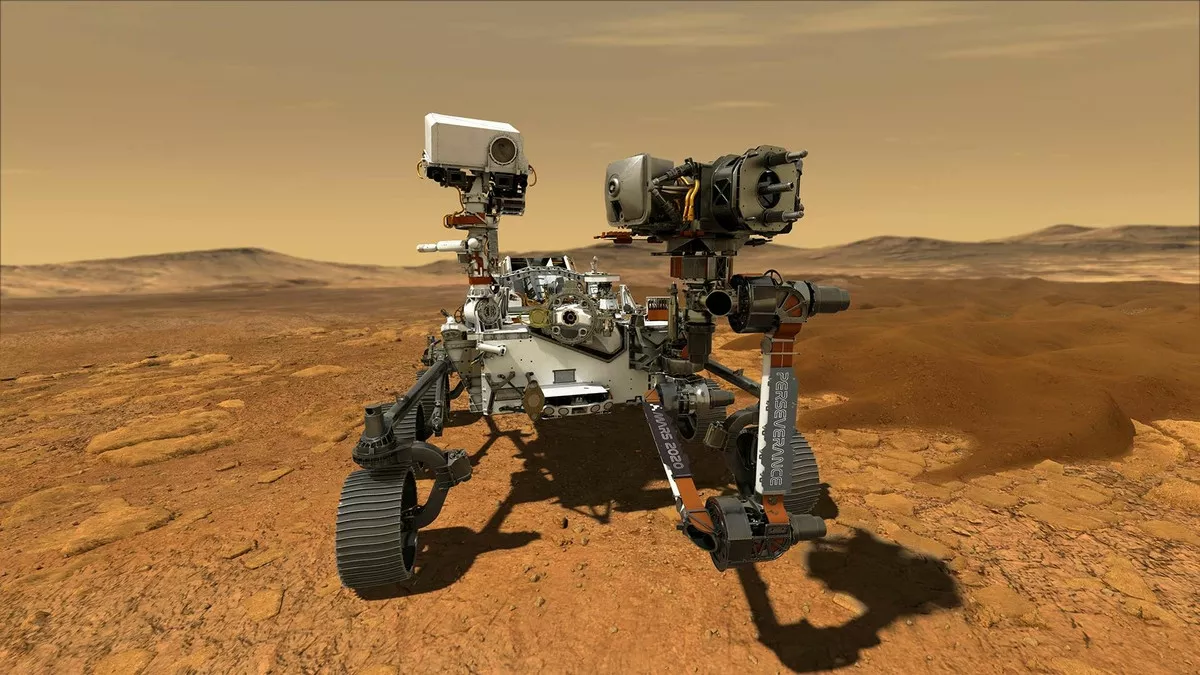
The American space agency, in partnership with the semiconductor giant Microchip Technology Inc.has just laid the first stone of a major technological building.
The project, called High-Performance Spaceflight Computing (HPSC), involves developing a completely new type of electronic brain for future missions.
It must be able to provide a more than 100 times greater computing capacity to that of the processors which today equip probes, rovers and telescopes.
This public-private collaboration aims to respond to the increasing complexity of future explorations which will require much more power, autonomy and resilience.
How is this new HPSC processor a game-changer for space exploration?
The answer is in two words: power and integration. This new processor is a SoC (System on a Chip) which combines computing and networking functions on a single device.
This not only allows drastically reduce costs and electricity consumption, but also to boost the capabilities of spacecraft.
This is a major change of gear for thespatial computingwhich relied until now on proven but dated chipsheirs to the computers of the Apollo missions.
The architecture of this chip is also designed to be “ scalable “. This means that unused functions can be put to sleep for optimize energy efficiencyan absolutely crucial point for missions that last for years with limited energy sources.
We immediately think of the Voyager 1 probeon which engineers must turn off instruments one by one to preserve its lifespan. With HPSC, this management would become much more refined and intelligent.
How is this chip designed to survive in hostile space?
The HPSC project is available in two distinct versions to adapt to each environment. The first is a version “ hardened against radiation » (radiation-hardened), designed for the most extreme missions.
It is this which will equip the probes on their way to deep space, the Moon or Mars, where the bombardment of cosmic particles is incessant. This is the ultimate survival guarantee facing the Achilles heel of the ancients space processors.
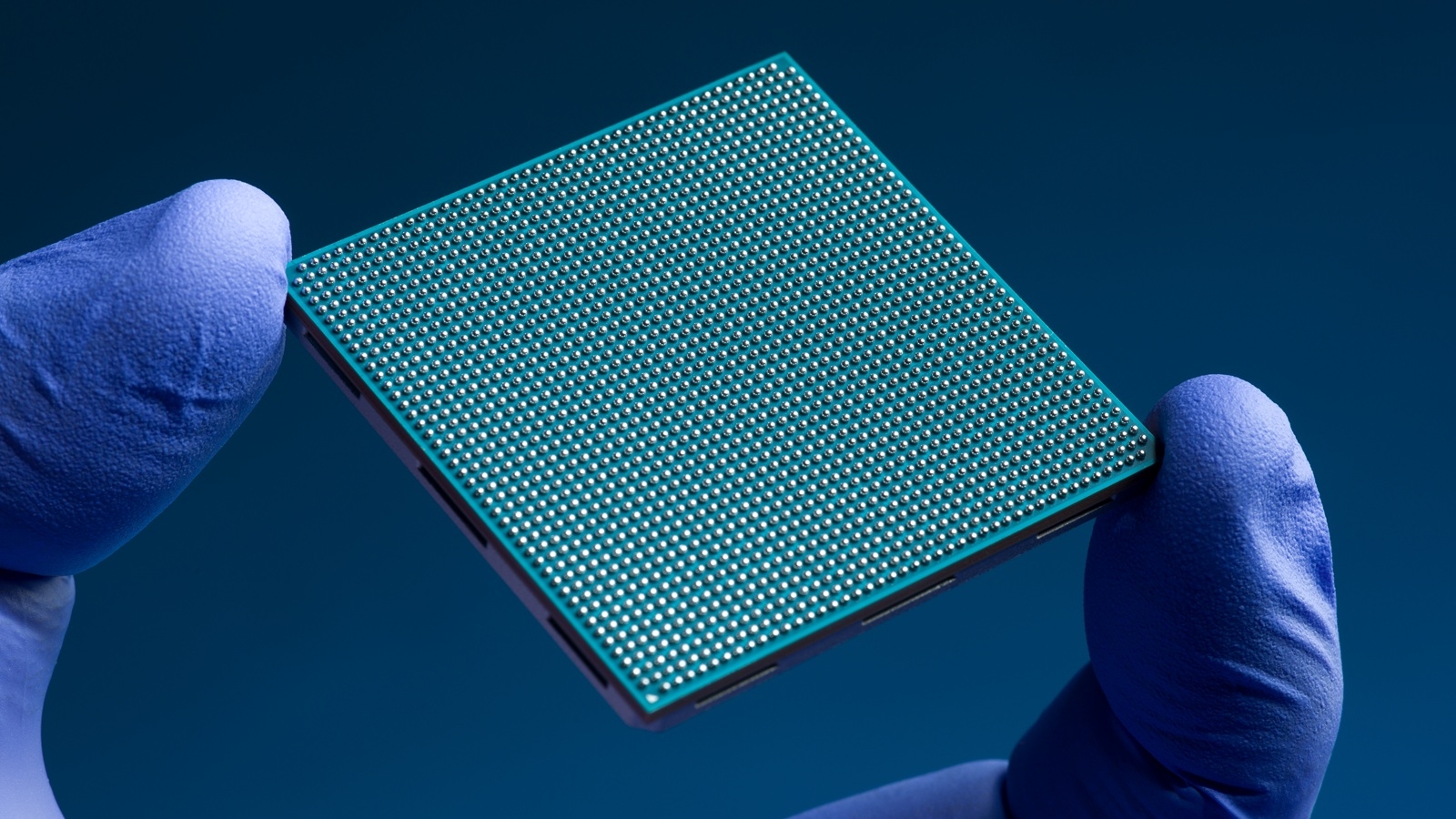

The second version is called “ radiation tolerant » (radiation-tolerant). Less armored, it is optimized for the commercial space sector and low Earth orbit (LEO) satellites.
It offers a fault tolerance and enhanced cybersecurity, essential assets for the satellite constellations that shape our connected world.
What are the concrete autonomous capabilities offered by this technology?
This increased computing power opens the door to unprecedented decision-making autonomy. Future rovers will be able, for example, to process enormous volumes of data on board and make decisions in real time.
No more piloting at a snail’s pace dictated from Earth. A rover equipped with HPSC components could analyze the terrain and decide its own speed of movement, or even sort scientific images the most relevant ones before sending them, saving valuable bandwidth.
By connecting several chips via an advanced Ethernet network, a spacecraft will be able to equip itself with massive computing capacitycomparable to a mini-IT cluster.
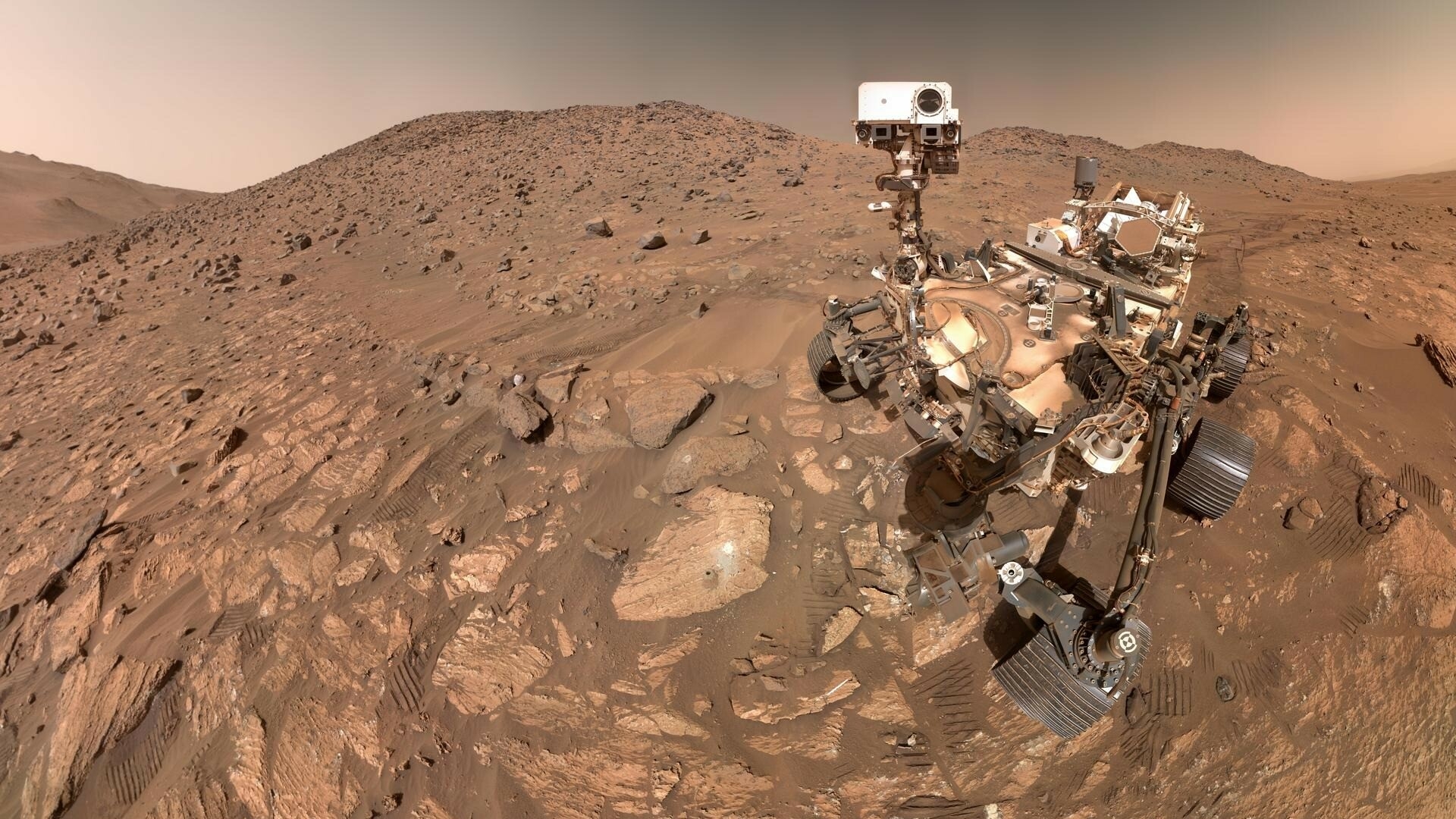

This is an approach similar to that used by the rover Perseverance which compares images from its cameras with satellite data to locate itself with surgical precision.
The HPSC pushes this logic to a whole another level of performancemaking machines more “intelligent” and responsive.
Does this progress only concern NASA missions?
The Nasa and Microchip have designed the HPSC platform to be reusable in terrestrial sectors. By adopting the same computing, networking and cybersecurity technologies, these processors could equip critical industrial systems on Earth.
The potential applications are vast: autonomous drones, intelligent energy networks, cutting-edge medical equipment, or even artificial intelligence systems embedded in automobiles and aviation.
By pooling the technology base between space and ground markets, this project strengthens the U.S. supply chain and reduces costs for everyone.