Netflix became one of the largest streaming platforms in the world due to its original shows,not just because it was one of the first services of its kind. People didn’t just subscribe to the platform to see whatever content Netflix had licensed from other studios. They were hooked on originals, starting with “House of Cards” and “Stranger Things.” Among the various high-quality originals Netflix produced over the years, “The OA” stands out because Netflix decided to cancel the show after two seasons, despite “Part II” ending with an incredible cliffhanger that fans of the series wanted to see resolved.
Fans of “The OA” protested almost immediately, urging Netflix to reconsider its decision. The backlash wasn’t just online, as some fans protested in person in front of Netflix’s headquarters after Season 2 was canceled in 2019. Still, Netflix wouldn’t budge. While there was talk about making a movie to conclude “The OA” story, it ultimately never went forward, despite interest from fans and the team behind it.
While Netflix canceled “The OA,” it resurrected other projects. It saved titles like “You” (Lifetime), “Manifest” (NBC), and “Lucifer” (Fox) from 2018 to 2021. These are just a few examples of canceled TV shows that Netflix decided to pick up and give a second life on its platform. That’s another reason why the cancellation of “The OA” is easily one of the biggest mistakes Netflix made to date and remains one of the company’s most puzzling decisions, even after an executive revealed how Netflix decides which shows to cancel.
Why did Netflix cancel The OA?
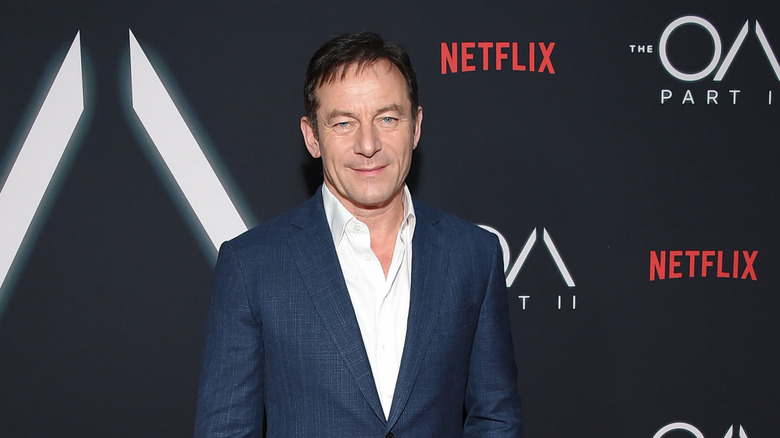
Netflix collects viewership data for the titles on its platform, whether they’re originals or titles licensed from others. It uses that data to show top 10 lists to Netflix subscribers, what’s trending, and to make business decisions. The algorithms it uses to gauge user interest may have contributed to “The OA” cancellation, though Netflix never put it that way. “We are incredibly proud of the 16 mesmerizing chapters of ‘The OA,’ and are grateful to Brit and Zal for sharing their audacious vision and for realizing it through their incredible artistry,” Cindy Holland, vice president of original content for Netflix, told Variety in 2019. “We look forward to working with them again in the future, in this and perhaps many other dimensions.”
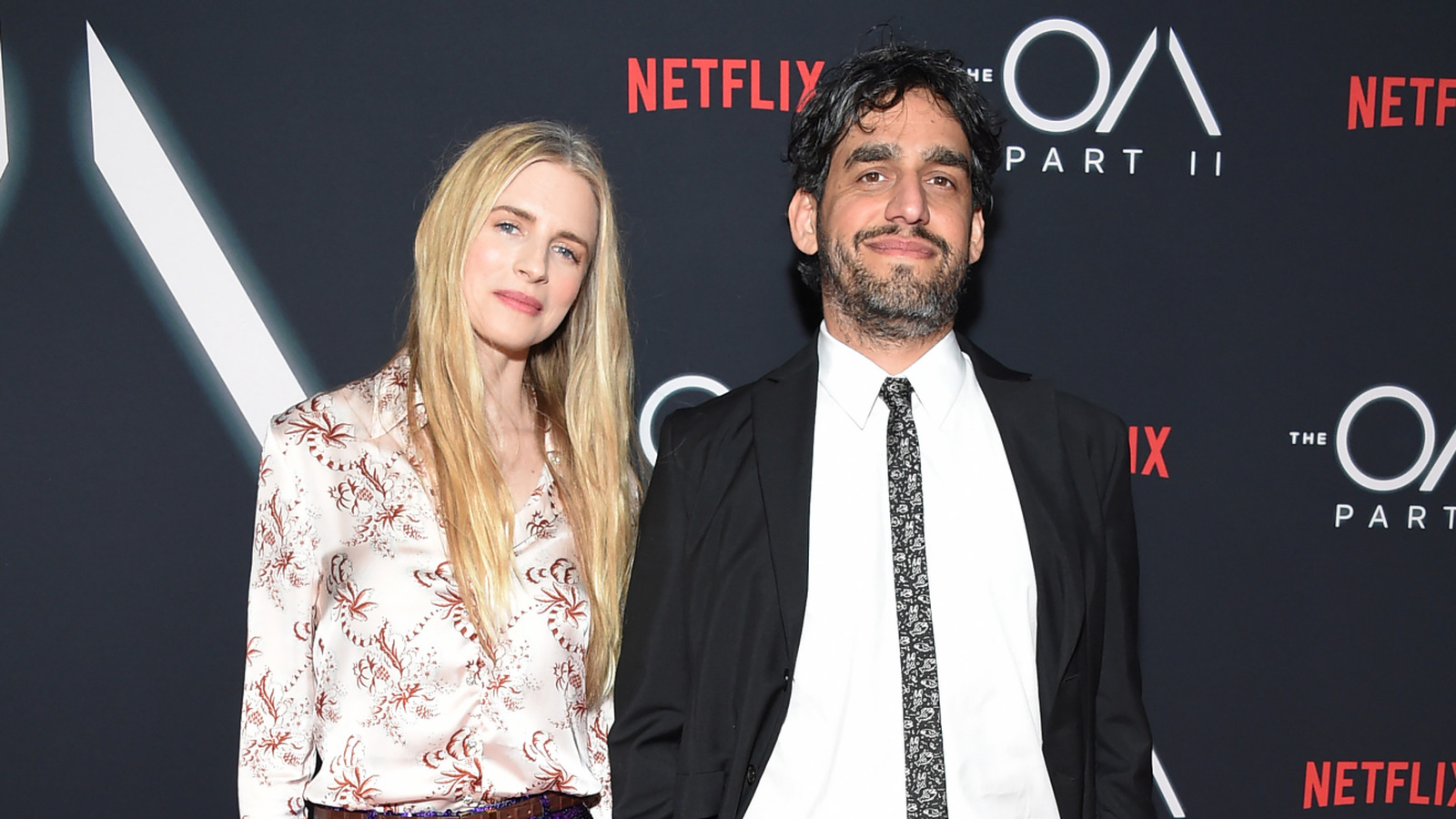
What was strange about the cancellation was that the TV show was envisioned as a five-part adventure. “Zal [Batmanglij] and I are deeply sad not to finish this story. The first time I heard the news, I had a good cry,” Brit Marling wrote on Instagram in a letter to fans in 2019. “So did one of our executives at Netflix who has been with us since the early days when we were sketching out Hap’s basement on the floor of our production office in Queens. It’s been an intense journey for everyone who worked on and cared about the story.” Marling co-created the show with Batmanglij and played the show’s titular character, Prairie/The OA.
One of the most popular theories for Netflix not renewing “The OA” for a third season is tied to “Part II’s” surprise ending. Prairie and other characters traveled to a reality where “The OA” was a TV show. Some fans believed the cancellation was just a marketing stunt based on that ending.
Will Netflix ever revive The OA?
The growing interest in “The OA” in the wake of Netflix’s decision to cancel it could have been a big reason to restart production. Costs and algorithms aside, “The OA” Season 3 would have made sense considering the wave of publicity the show received after its cancellation. People who have not seen the first two seasons may have wanted to watch them just to understand why fans were willing to go on hunger strikes over it. There’s also the “Stranger Things” precedent to resuming production on “The OA”: While Netflix never canceled “Stranger Things,” the show didn’t release a new season every year. Season 3 came two years after Season 2. Season 4 and Season 5 took even longer, each released three years after the previous season, which could have been a solution for “The OA” if Netflix wanted to slow down production instead.
More than six years after the cancellation of “The OA”, Netflix has not changed its mind. While the company didn’t see fit to invest in at least another part of the show, we know that Netflix made a string of high-budget, star-studded movies that were not as well-received as “The OA.” The TV show has a Rotten Tomatoes score of 84% and an IMDb rating of 7.8/10 as of December 2025. Meanwhile, here are some examples of poorly reviewed original Netflix movies released after 2019 that could have had their budgets spent on a third season of the much better-received “The OA” instead.
- “6 Underground” (2019); $150 million; Rotten Tomatoes: 36%; IMDb: 6.1/10
- “Heart of Stone” (2023); $150 million; Rotten Tomatoes: 31%; IMDb: 5.7/10
- “Rebel Moon” movies (2023 and 2024); $166 million; Rotten Tomatoes: 22% and 16%; IMDb: 5.6/10 and 5.3/10
- “Atlas” (2024); $100 million; Rotten Tomatoes: 18%; IMDb: 5.6/10
- “The Electric State” (2025); $320 million; Rotten Tomatoes: 14%; IMDb: 5.9/10