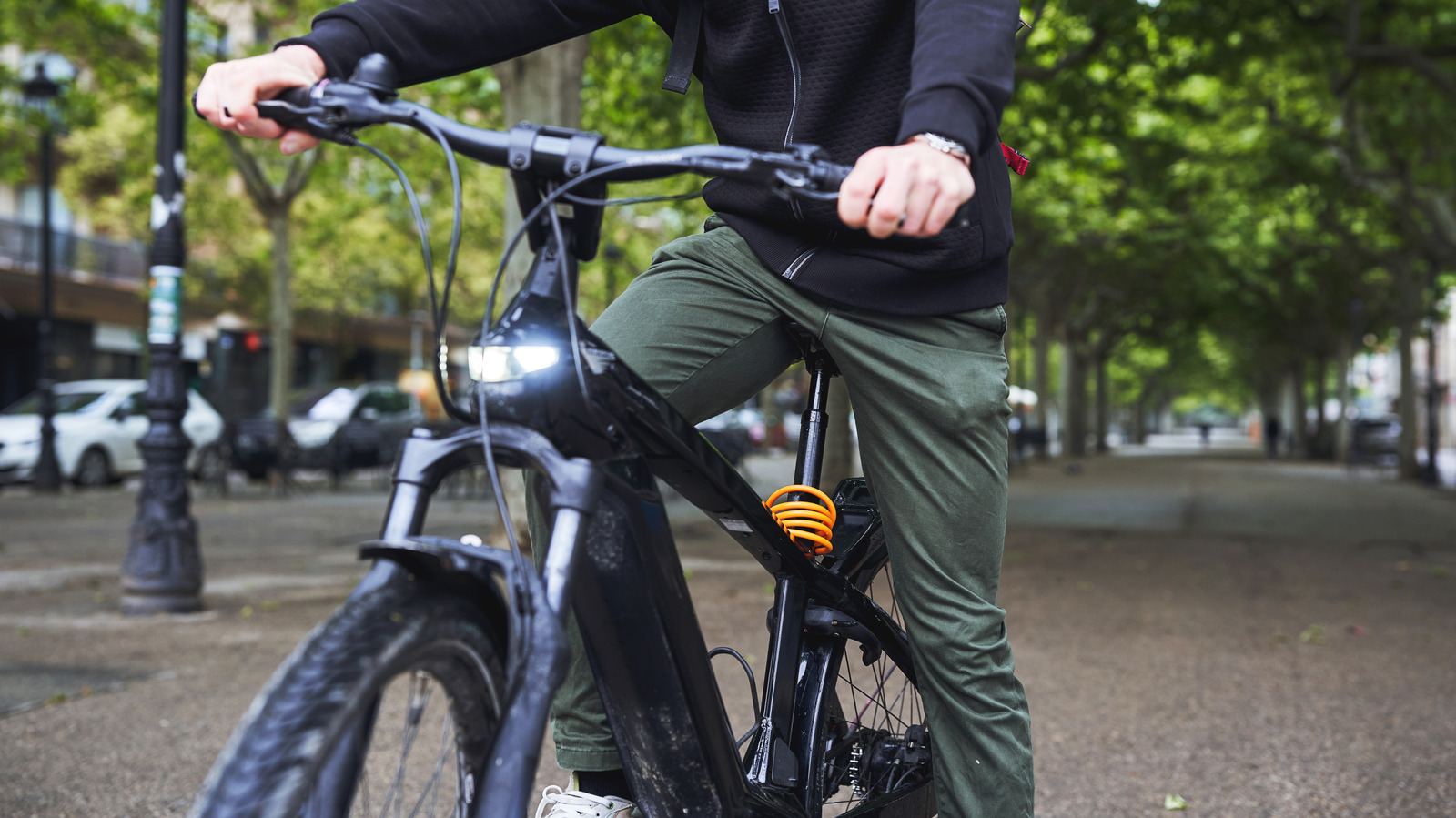
With recent statistics pointing to growing e-bike dangers, lawmakers are starting to treat them as more substantial vehicles. A new bill proposal, which passed the Florida senate 37-0, will reclassify electric bicycles and other micromobility devices to improve safety for pedestrians (via Fox 13 News). The bill requires e-bike riders to slow to under 10 miles per hour when traveling on a sidewalk or in an area for pedestrians if a person is within 50 feet. In addition, electric bike riders must give an audible signal while passing, so people nearby can hear and notice them. In shared pathways, riders must yield to pedestrians when there’s no road nearby.
The cost of electric bikes continually coming down, combined with the availability of excellent and cheap e-bikes, is keeping e-bike adoption on the rise. Senate Bill 382, which aims to address the growing safety concerns around these vehicles, must now pass the Florida house before it becomes law and is put into effect. Similar legislation in California is trying to crack down on the growing e-bike problem there, as well.
The Florida bill specifies that any violations of these laws, if passed, would be considered noncriminal infractions, which means consequences would be equivalent to nonmoving violations and could come with smaller fines while still appearing on an individual’s driving record. It also puts additional measures in place for local law enforcement to log and monitor any crashes that involve micromobility devices, which would now include electric bikes. Ultimately, widespread crash data is unavailable because electric bikes are relatively new, and officials have only just started collecting statistics, and there are few regulations surrounding the technology. Florida has seen a rise in e-bike incidents, specifically in urban areas like Tampa. They’re on the rise everywhere, but there are also concerns with classifying e-bikes, as some should actually be considered electric motorcycles.
How would this change electric bike rides for Florida riders?
Obviously, electric bike riders will need to be more vigilant and cautious on pathways and sidewalks, potentially even trails. The main goal of this Florida bill is to improve safety for pedestrians who share pathways with bike riders. But the biggest change is how the state’s law enforcement will monitor and report traffic incidents involving micromobility devices — e-bikes included.
The Florida Highway Patrol, local police departments and sheriff’s offices will now have to maintain a list of all local micromobility accidents. They will then submit the information to the Department of Highway Safety and Motor Vehicles, who will compile the information into a statewide summary for use by legislators. Accident information will contain the dates and times of the accident, the class of electric bicycle involved, the rider’s age, and whether they held a Florida driver’s license or learner’s permit. Presumably, any riders involved in an accident would have to wait for law enforcement to complete the reporting and provide their information. There doesn’t appear to be any language in the bill regarding this process, however, or if misreporting or not reporting at all would hold more severe consequences.
A majority of the most popular e-bikes you can buy have a top speed of 20 miles per hour. That’s still pretty fast, especially for anyone struck on a sidewalk by one, which can be fatal. Class 1 and Class 2 electric bikes have a top speed limitation of 20 miles per hour, while Class 3 can have a maximum assisted speed of 28 miles per hour. Class 3 bikes are also pedal-assist only with no throttle and should not be on walkways. Aftermarket modifications can bypass speed restrictions, though doing so would certainly mean even more trouble for riders if the Florida Senate bill passes.