Everyone in SEO worships Ahrefs — and rightly so. It’s the industry’s go-to for backlink analysis, keyword research, and seeing exactly how much traffic your competitor’s blog gets for that weird long-tail query from 2018.
But if you zoom out a little, you’ll realize something: brand visibility today isn’t just about backlinks or SERPs. It’s also about how your name travels across podcasts, Twitter threads, YouTube intros, newsletters, Reddit posts, and yes, even HackerNoon stories like this one.
Ahrefs: Still the King of Classic SEO
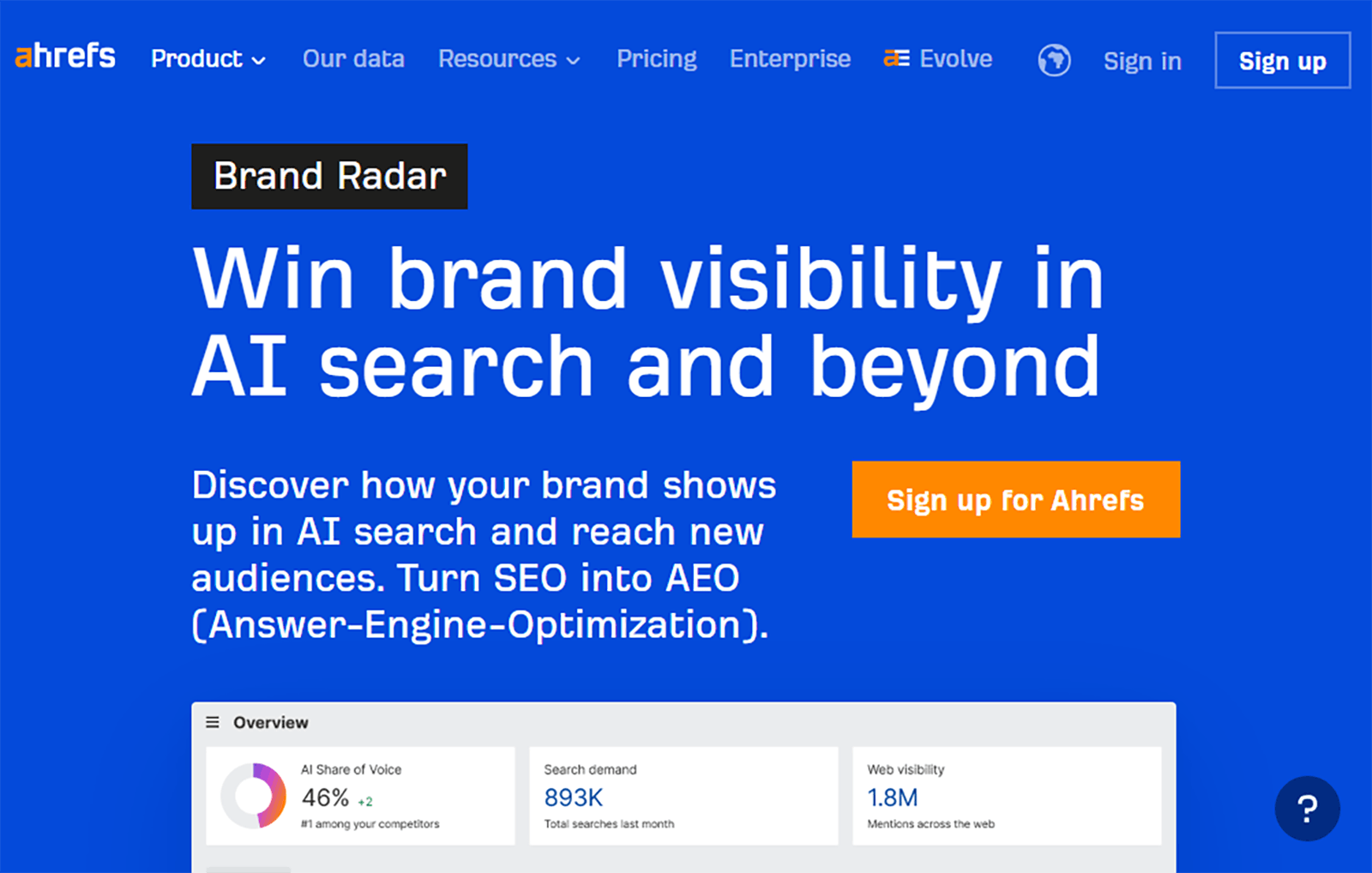
Ahrefs is a powerful SEO tool built for speed and rich in data. It lets you quickly find top competitor content and easily detect broken links on your own site. Need to know what keywords a site ranks for in France versus Indonesia? Ahrefs has your back. And if you’re exploring how tools like this stack up, BloggerJet is a solid resource for in-depth comparisons and marketing insights.
But here’s the thing. It’s mostly built for search. If someone mentioned your startup on a podcast, or if a viral LinkedIn post is driving direct traffic to your landing page, Ahrefs won’t catch it. That’s not its job.
Profound: The Brand Radar That Sees in 360°
Profound Brand Radar isn’t an SEO tool — it’s a brand visibility tool. Instead of hunting keywords, it scans the digital universe to track how and where your brand is mentioned. Think product reviews, influencer shoutouts, offsite chatter — all the stuff that builds perception before a customer ever Googles you.
It’s basically brand surveillance, but for marketers — and no trench coat required.
Here’s what Profound tracks that Ahrefs doesn’t:
- Podcast mentions across platforms.
- Newsletter references (yes, even those Substack links).
- Social posts that don’t link back to your site.
- YouTube shoutouts where your name gets spoken, not typed.
- Trending sentiment around your product or founder.
This isn’t backlink territory. It’s reputation, reach, and real-time buzz. And it’s the kind of data brand teams, PR managers, and growth leads dream about.
When to Use Profound vs When to Use Ahrefs
Ahrefs helps you navigate the world of search. Profound, on the other hand, picks up the signals that don’t show up in keyword tools. One maps what people search for — the other shows where your brand is already being talked about. Here’s how they compare:
| Use Case | Ahrefs | Profound Brand Radar |
|—-|—-|—-|
| SEO performance tracking | ✅ Yes | ❌ No |
| Backlink analysis | ✅ Yes | ❌ No |
| Keyword research | ✅ Yes | ❌ No |
| Social media mentions | ❌ No | ✅ Yes |
| Podcast or YouTube shoutouts | ✅ Yes | ✅ Yes |
| Newsletter mentions (e.g. Substack) | ❌ No | ✅ Yes |
| Brand sentiment monitoring | ❌ No | ✅ Yes |
| Ideal for | SEO specialists, content teams | PR, brand, growth, founders |
Different Tools for Different Missions
Let’s be clear: Profound isn’t trying to beat Ahrefs at its own game. It’s not crawling SERPs or dissecting do-follow ratios. Instead, it gives you something SEO tools aren’t designed to do: map your brand’s presence across the broader, fuzzier internet.
Where Ahrefs shines in structured data, Profound thrives in the wild. You’ll still want Ahrefs to optimize your content calendar or hunt juicy backlink opportunities. But when your goal is understanding how your name travels through modern media (the kind that doesn’t always live on websites), Profound offers the radar you didn’t know you needed.
The Verdict
Ahrefs will tell you how strong your house is. Profound will tell you who’s talking about your house at parties you weren’t even invited to.
In a world where brand equity and offsite visibility drive as much value as domain authority, having both tools in your belt isn’t overkill — it’s strategy.
:::info
This article is published under HackerNoon’s Business Blogging program.
:::