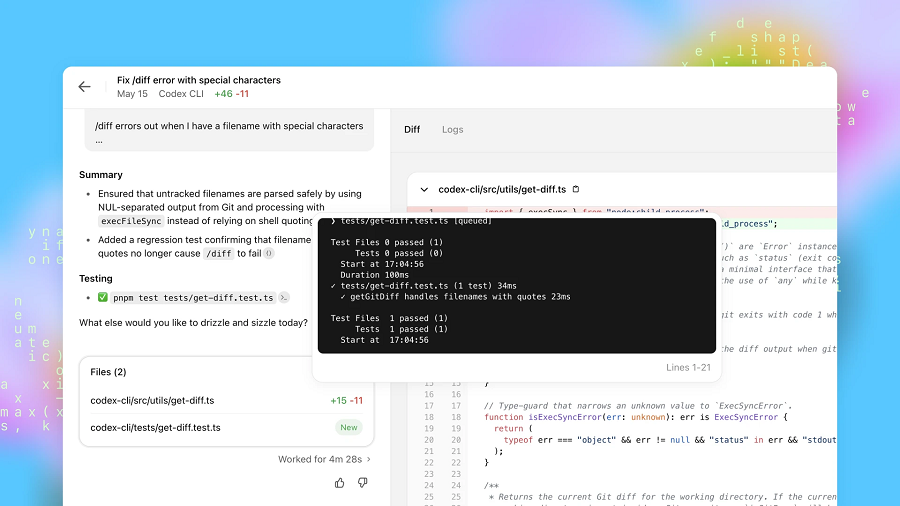
AI coding agents are suddenly everywhere, the latest thing Silicon Valley cannot stop talking about. From venture-backed startups to splashy big tech keynotes, the promise sounds the same: just describe what you want, and the AI will build it for you. It is a seductive idea, especially in a world where software projects are notorious for moving slowly. But inside large companies, that vision is already starting to unravel.
What looks impressive in a demo often falls apart in the real world. As soon as AI-generated code runs into actual enterprise data, the problems show up. Schemas clash, governance breaks down, and a supposed breakthrough can quickly turn into a liability.
“Coding agents tend to break down when they’re introduced to complex enterprise constraints like regulated data, fine-grained access controls, and audit requirements,” Sridhar Ramaswamy, CEO of Snowflake, tells. Fast Company.
He says most coding agents are built for speed and independence in open environments, not for reliability inside tightly governed systems. As a result, they often assume they can access anything, break down when controls are strict, and cannot clearly explain why they ran a certain query or touched a specific dataset.
This gap between what AI can write and what it actually understands is becoming one of the most expensive problems in enterprise AI. Gartner predicts that 40% of agentic AI projects will be canceled by 2027 because they lack proper governance, and only 5% of custom enterprise AI tools will ever make it into production.
Ramaswamy says the core issue in enterprise AI is writing functional code in a way that is secure, transparent, and compliant from the start. He argues that companies need to put trust, accuracy, and accountability ahead of unchecked automation, and that most coding agents today sit outside existing data governance systems instead of being built into them.
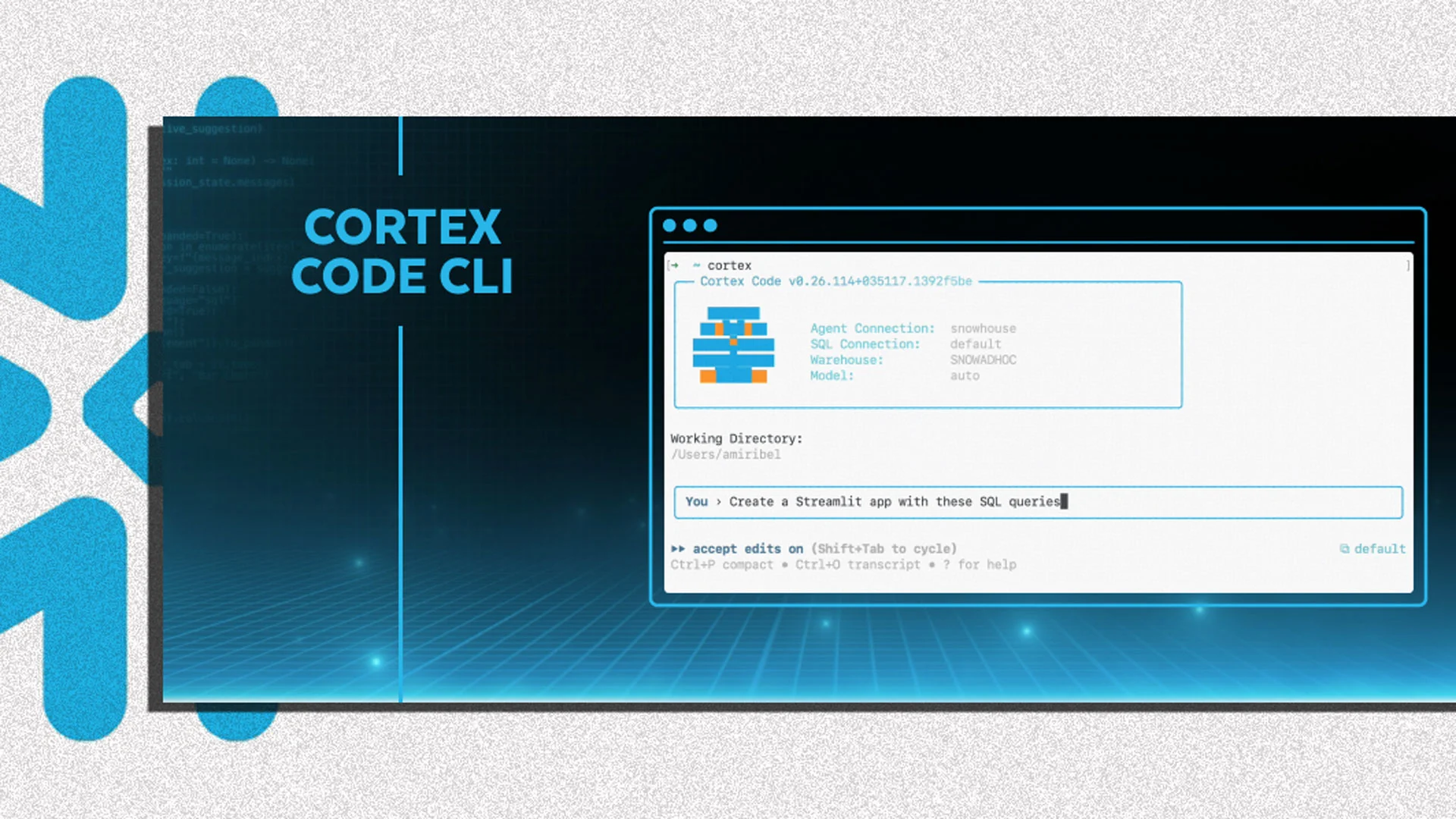
Snowflake’s answer is Cortex Code, a data-native AI coding agent designed to work directly inside governed enterprise data, not as a layer sitting on top of it. It comes alongside a newly announced $200 million partnership with OpenAI. Together, they reflect a contrarian bet that the real battle for enterprise AI will be won at the data layer.