A pendulum and a pair of wooden sticks are the only tools dowsers need to supposedly detect the magnetic flows of water currents to find underground water. Actually, a dowser is not of much use, but it is the name with which SEPRONA baptized a surveillance cycle to catch water thieves. One of the latest cases is that of the 50 million liters looted by two businessmen in a period of 18 months.
But it is neither an isolated case nor something that shows signs of stopping.
Louvres. One of the latest SEPRONA operations took place in Puerto Lumbreras, in the Region of Murcia, where agents have opened proceedings against two businessmen as alleged perpetrators of a crime against natural resources and the environment. It is estimated that they carried out well exploitation activities for decades, but to be specific, in the last 18 months alone, 56 million liters of groundwater were allegedly stolen.
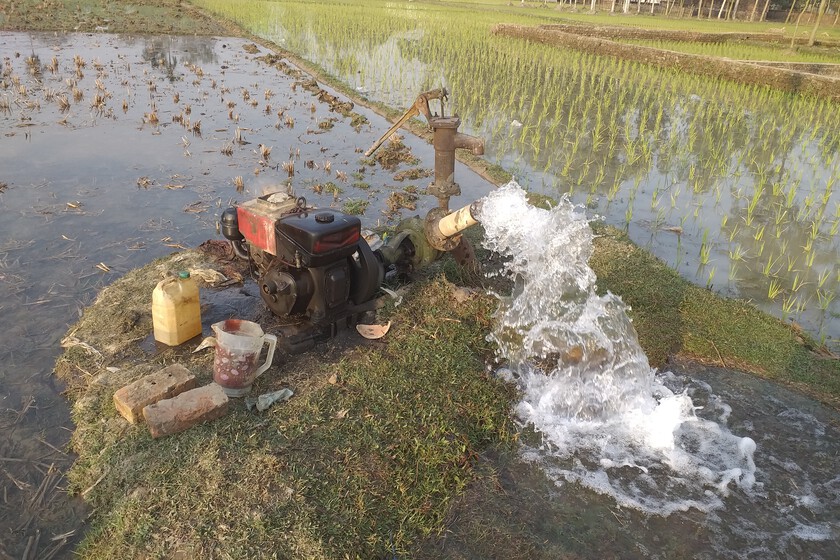
Those investigated used a clandestine well without a volumetric meter that was hidden in one of the companies and was not water that they used to irrigate their own crops (something that is usually common in this type of activity), but to sell.
Pirate hydrological. They were capable of extracting more than 100,000 liters a day, which they sold and distributed through their own tanker trucks. Its use?
- Intensive livestock pig farms.
- Sale to other companies.
- Sale to individuals for filling swimming pools.
Is the “operational cost” fine? SEPRONA began the investigation after a complaint signed by 128 residents of Zarzalico who detected an illegal pipeline of several kilometers built to supply feedlots, and it is estimated that the two businessmen invoiced about 275,000 euros during the 18 months already mentioned.
The curious thing about the matter is that, as we say, it has only been investigated for a year and a half, so the figure could be astronomical if the estimate that the activity was carried out for decades is true. Water theft is not something new, far from it, and in fact there are studies that suggest that, for more than a century, it was a practice that occurred in the Spanish southeast. It makes complete sense if we take into account that the area, with Almería or Murcia, being the “orchard of Europe”, is not exactly the one where the most rainfall is recorded, but it is where it is most needed for the cultivation of fruits and vegetables.
In fact, this is called “virtual water” that these areas export in tomatoes, lettuce or avocados. This water theft has been taken as a “survival mechanism”, something necessary to maintain activity during droughts, and there are also studies that indicate that the administrative fines received by those who commit the infraction are lower than the economic benefit obtained from the stolen water.


Illegal wells in southern Spain in the Andalusia region
Devastating. The problem is that the accounts don’t add up where it matters most: in nature. The systematic depletion of aquifers due to illegal well activities has led to the depletion of some of the most important wetlands in our geography. Doñana is the clear example, since the national park has been, and is being, drained by hundreds of illegal wells for cultivation.
But you don’t have to go far from Puerto Lumbreras to see the effects, and the Mar Menor is another example. Groundwater freshwater is plundered and sometimes used to irrigate agricultural fields using nitrate fertilizers that, due to runoff, leach into the soil or end up directly in the sea. This causes the water to have less oxygen than it should, and when it ends up in the lagoon, the fish die from anoxia.

Add and continue. Unfortunately, as we say, it is neither a new problem… nor isolated. In recent years we have been talking about dozens of people investigated, arrested and convicted. The Malaga water company, in fact, has even hired private detectives to monitor employees, suppliers and clients.
According to WWF, there are more than 500,000 illegal wells in Spain, the benefits offset the administrative fines and fevers like avocado fever do not help at all.
Images | Greenpeace, Niriho Khoka
In WorldOfSoftware | Andalusia has become a hostile land for the avocado. So an unexpected region is taking over: Galicia
![iPadOS 26 revitalized the iPad in 2025, but was it enough? [Video] – 9to5Mac](https://i0.wp.com/9to5mac.com/wp-content/uploads/sites/6/2026/01/DSC05159-e1767372211324.jpeg?resize=1200%2C628&quality=82&strip=all&ssl=1 "iPadOS 26 revitalized the iPad in 2025, but was it enough? [Video] – 9to5Mac")