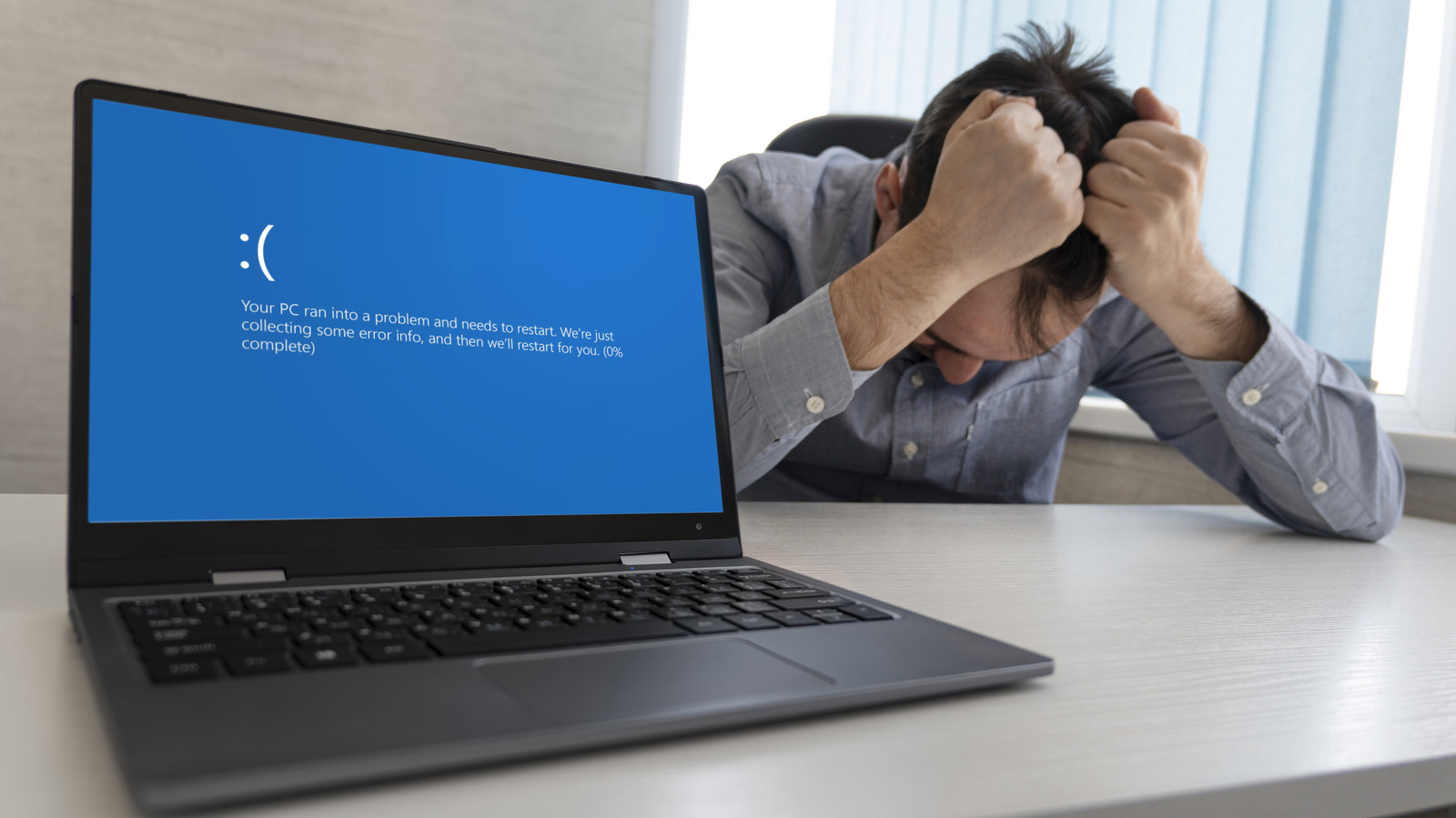
Every time you open an email attachment, download a file from a new site, or plug in a mysterious thumb drive, your PC could be at risk from trojans, ransomware, bots, and other malware. Antivirus software is essential—but are you relying on it the right way, or falling for common myths that leave your protection weaker than you think? Here are some widely held antivirus misconceptions and how to address them.
1. Antivirus Subscriptions Never Expire
When you buy a new PC, it usually comes with a third-party antivirus installed, but that protection doesn’t last forever. Typically, you need to upgrade to a full subscription after three or six months. Even that full subscription runs out after a year, at which time you’ll have to re-up.
Right now, check your antivirus to see how long until your subscription renews. Just where you find this information depends on the antivirus, but the About page from the Help menu is one likely resource. You may also find there’s a page labeled Account or something similar.
(Credit: Bitdefender/PCMag)
If you find that your antivirus is about to expire, or that it has already expired, fix the problem right away. You may need to re-enter your credit card details, or it may be as simple as clicking the renewal button. If you built your own PC and never installed antivirus software in the first place, you should fix that. If money is an issue, we recommend some great free antivirus tools.
2. You Don’t Need Auto-Renewal—You’ll Always Remember
Actively checking your subscription status from time to time is one way to ensure your antivirus doesn’t lapse, but it’s easy to forget. In most cases, you’re better off setting up the antivirus subscription to renew automatically. You should get an email some weeks before the renewal, so you have time to cancel the automated renewal if you don’t want it (but be sure to get a new antivirus in place if you do).

(Credit: McAfee/PCMag)
In some cases, showing trust by choosing automatic renewal gets you a bonus from the antivirus company. With antivirus and suite products from Norton, McAfee, and ZoneAlarm, automatic renewal enables a virus protection guarantee. If the antivirus can’t fully defend against a malware attack, the company will assign tech experts to remotely control your PC for manual removal. And if that doesn’t work, they’ll at least refund your purchase price.

Get Our Best Stories!
Stay Safe With the Latest Security News and Updates

By clicking Sign Me Up, you confirm you are 16+ and agree to our Terms of Use and Privacy
Policy.
Thanks for signing up!
Your subscription has been confirmed. Keep an eye on your inbox!
3. It’s Safe to Turn Off Your Antivirus While Gaming
You’re button-mashing away at your favorite first-person shooter, but it seems you keep coming up just a little too slow. It couldn’t be your own reflexes to blame—it must be something else, like that pesky antivirus. So, naturally, you turn it off to check.
The Best Antivirus Software We’ve Tested
But please, don’t do that! Chances are you won’t remember to turn it back on. Instead, look through the settings for a feature called game mode or something similar. In this mode, your antivirus postpones updates and minimizes user interaction. Antivirus software used to be a significant drain on your PC’s resources, but those days are long gone. Additionally, game mode may automatically kick in for games on a list, or it may engage whenever you’re using a full-screen program. In some cases, you must manually toggle game mode on. However it’s handled, game mode is way better than turning off your protection entirely.
4. Antivirus Alerts Are Just Annoying Pop-Ups
Malware attacks don’t wait for convenient times. If you get an antivirus warning right in the middle of an important activity, you may be tempted to just click it away. After all, it was probably just reporting a successful malware defense. But don’t do that. If your antivirus pops up a notification, read it!
Recommended by Our Editors

(Credit: Norton/PCMag)
Yes, in many cases, the notification is just an alert about defensive actions taken by your antivirus, such as quarantining a bad email attachment or warning you about an unfamiliar download or app installation. But it might also include recommended actions, such as rebooting the system or running a full scan. The pop-up might even warn of a failed defense attempt, one that you should report to tech support for further processing.
5. Antivirus Alone Keeps You Fully Safe Online
If you’ve followed my advice so far, you have antivirus protection that’s working well and will continue to protect your PC. Don’t stop now: Work in some additional apps to protect your security and privacy, starting with a password manager. You need to use a different, strong password for every website to avoid losing your accounts or getting hacked, and the only way to accomplish that is with a password manager’s help.
Your antivirus software eliminates malware on your PC and prevents new attacks, but it can’t do anything to protect your data on the internet. That’s the kind of protection you get from a VPN service. The VPN encrypts your data in transit and also hides your actual IP address and geolocation. Now that you’re using your antivirus, you might consider upgrading to a full security suite, which may include a VPN and password manager, among other useful tools.
About Our Expert

Neil J. Rubenking
Principal Writer, Security
Experience
When the IBM PC was new, I served as the president of the San Francisco PC User Group for three years. That’s how I met PCMag’s editorial team, who brought me on board in 1986. In the years since that fateful meeting, I’ve become PCMag’s expert on security, privacy, and identity protection, putting antivirus tools, security suites, and all kinds of security software through their paces.
Before my current security gig, I supplied PCMag readers with tips and solutions on using popular applications, operating systems, and programming languages in my “User to User” and “Ask Neil” columns, which began in 1990 and ran for almost 20 years. Along the way, I wrote more than 40 utility articles, as well as Delphi Programming for Dummies and six other books covering DOS, Windows, and programming. I also reviewed thousands of products of all kinds, ranging from early Sierra Online adventure games to AOL’s precursor Q-Link.
In the early 2000s, I turned my focus to security and the growing antivirus industry. After years of working with antivirus, I’m known throughout the security industry as an expert on evaluating antivirus tools. I serve as an advisory board member for the Anti-Malware Testing Standards Organization (AMTSO), an international nonprofit group dedicated to coordinating and improving testing of anti-malware solutions.
Latest By Neil J. Rubenking
Read Full Bio