Ryan Haines / Android Authority
Foldable phones are having a moment. Our readers confirmed in a recent survey that they’re open to seriously considering a foldable as their daily driver, a significant shift in sentiment from just a few years ago. As OEMs try to set their products apart, we’re seeing a new rift between design philosophies, particularly affecting book-style foldables.
You can either opt for a taller foldable aspect ratio like the current Galaxy Z Fold series, or a wider fold design as used by the original Pixel Fold and the forthcoming wider Z Fold model. But which design is the better bet?
To gauge which aspect ratio our readers prefer, we ran a poll. The survey received over 3,500 votes, and, rather surprisingly, one of the four available answers was the overwhelming favorite.
More than three in four respondents (75.5%) voted for the “Wide” aspect radio, giving it a clear, untroubled victory.
Nevertheless, there’s plenty of excitement in the comments section of these articles for the broader designs, especially from readers who have tried multiple tall foldables. Reader Allen Markham writes:
I’m very interested in trying one of the ‘wide’ format foldable phones. I’ve used several tall foldables, including the Z 3, 4, 6, and 7, as well as the Pixel 10 Pro fold. I was happy with how each one worked as a normal phone when folded. I miss the iPhone ecosystem and am looking forward to returning to it in September when the Apple version of a foldable phone becomes available.
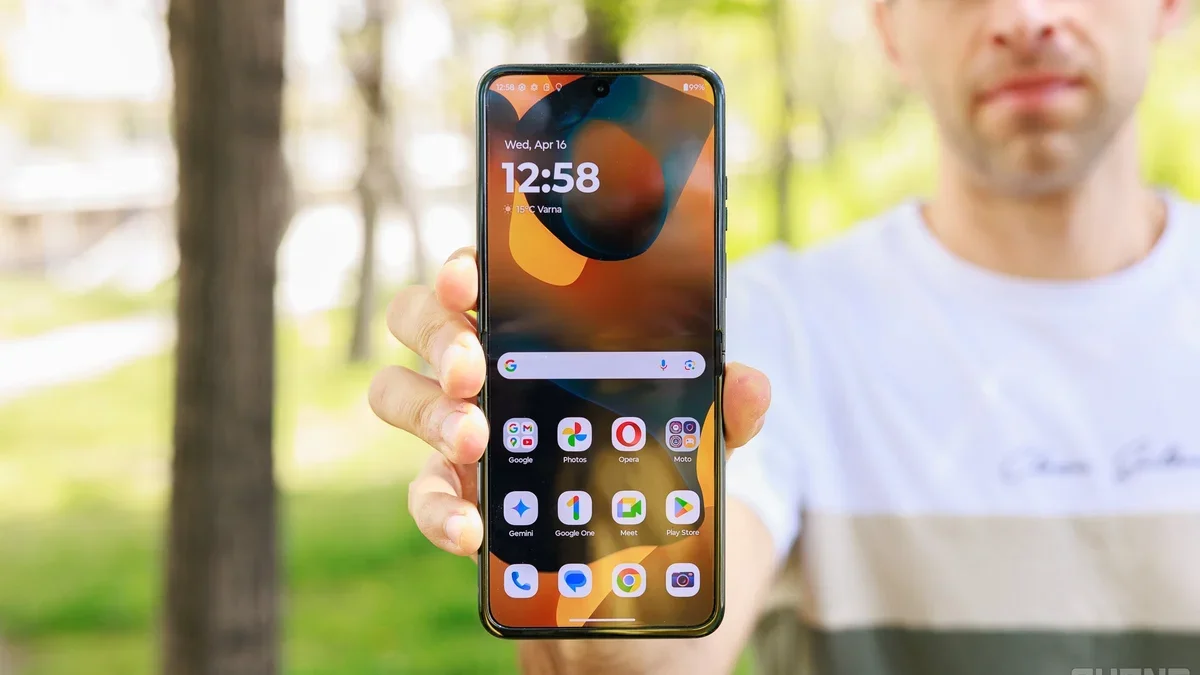
Those in favor of the “Tall” aspect ratio accounted for just 12.9% of the vote. This is particularly interesting given it’s the predominant foldable form factor available right now, and is what some of the most popular foldable phones employ.

Ryan Haines / Android Authority
The Galaxy Z Fold series, for instance, uses a much taller than wider design, although Samsung is seemingly bucking this trend by designing its own wider foldable.
Other companies are also seemingly embracing the wider aspect ratio, with Apple’s iPhone Fold rumored to use this approach. We’ll see if Cupertino’s first foldable pushes Android makers to trend their devices towards this philosophy.

David Imel / Android Authority
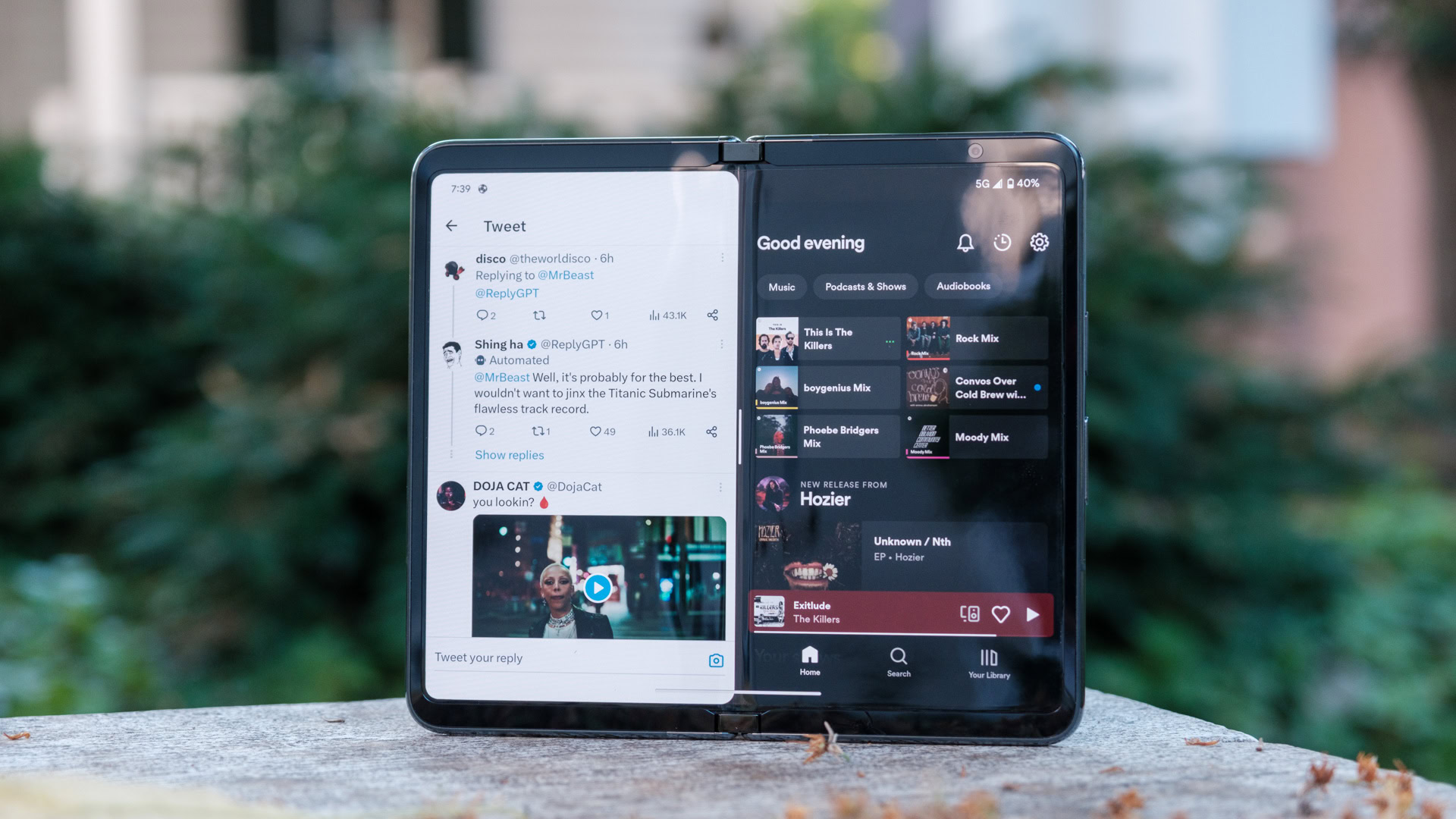
Notably, reader stevenmbadams paid homage to the apparent originator of the wide philosophy — Microsoft, and its Surface Duo:
The actual revolutionary folding device was the Surface Duo. That started this form factor, Not the Pixel. The duo was the perfect folding device. two screen so no cracking of folding displays, extremely thin, multitasking on it was epic, and it was a premium build.
Notably, there is a fair portion of respondents who still “don’t care about foldables” — 7.3% of the vote, in fact. While 4.3% of users haven’t considered how aspect ratios affect their use of foldable phones.
Tall or wide, whichever you prefer, I believe the important detail to consider with foldable phone design is that there is a clear variety, and variety is great for consumers.
While we’ll likely see all companies eventually trend towards a single “good enough” design that suits their financials and is inoffensive to users, we should enjoy the diversity while we can.
It’ll certainly be interesting to see which of these aspect ratio extremes takes the long-term win. But, for now, the wides seemingly have it.
Don’t want to miss the best from Android Authority?


Thank you for being part of our community. Read our Comment Policy before posting.