Consumer tech is a brutal business. For every blockbuster hit like Samsung’s Galaxy phones or Apple’s iPads, there’s an Amazon Fire Phone or HP TouchPad waiting to flame out.
We’re constantly inundated by the latest and greatest, so it can feel like a bit of a fever dream to look back on products from even a few years ago. Recently, I found myself digging through a box of old gadgets and uncovered several of these modern relics. Devices that were once highly touted have now been forgotten. Take a journey with me down this road of blink-and-you-missed-it technology. Long-time enthusiasts will likely still have a fondness for at least a few of them.
Coin Card
(Credit: Tyler Hayes)
The Coin Card was a universal card that debuted in late 2013. A magnetic strip on the back could be flashed, so you could store multiple cards on it and then rotate through them. An e-paper display on the front showed things like expiration date and the name of the card.
This device started as a crowdfunded project, which was common for devices of the time. The problem the Coin Card ran into was the broad rollout of EMV chips, which made any credit card without one outdated. I used the Coin Card for a few months before a cashier refused to accept it, saying it looked like some kind of counterfeiting device.
In 2016, Fitbit acquired Coin’s wearables payment platform as it worked toward what would eventually become Fitbit Pay. (That was later replaced by Google Wallet after the search giant bought Fitbit in 2019.) The Coin card, however, ultimately fizzled out.
Google Wallet Debit Card

(Credit: Tyler Hayes)
Before mobile payments became the norm in the US, Google also tried its hand at a physical credit card. When it debuted, it served as a prepaid card that allowed you to more easily spend funds stored in your Google Wallet at brick-and-mortar stores. I requested the physical card and kept it in my wallet for a while, but I don’t remember ever using it. It seems a lot of people did the same thing, and Google discontinued the card in 2016.
MoviePass Debit Card

(Credit: Tyler Hayes)
The original MoviePass service was fairly straightforward. You paid $30 to $50 per month, which let you watch one movie per day. Purchasing a ticket was slightly more convoluted, however, at least by 2026 standards. First, you used the MoviePass app on your phone to reserve your showtime. Then, when you showed up at the theater, you used a debit card provided by MoviePass to complete the purchase and get your ticket from the kiosk.
Of course, some people tried to misuse that system; getting a free ticket through some promotion and then using the MoviePass debit card to pay for something at the concession stand, for example. But that was a good way to get banned. MoviePass eventually imploded after an ill-advised shift to a $10-per-month model. It returned a few years ago with much more limited movie-watching options, and is now getting into gambling. But movie ticket purchases are now handled via a virtual card.

Get Our Best Stories!
Your Daily Dose of Our Top Tech News

By clicking Sign Me Up, you confirm you are 16+ and agree to our Terms of Use and Privacy
Policy.
Thanks for signing up!
Your subscription has been confirmed. Keep an eye on your inbox!
First-Gen Snapchat Spectacles

(Credit: Tyler Hayes)
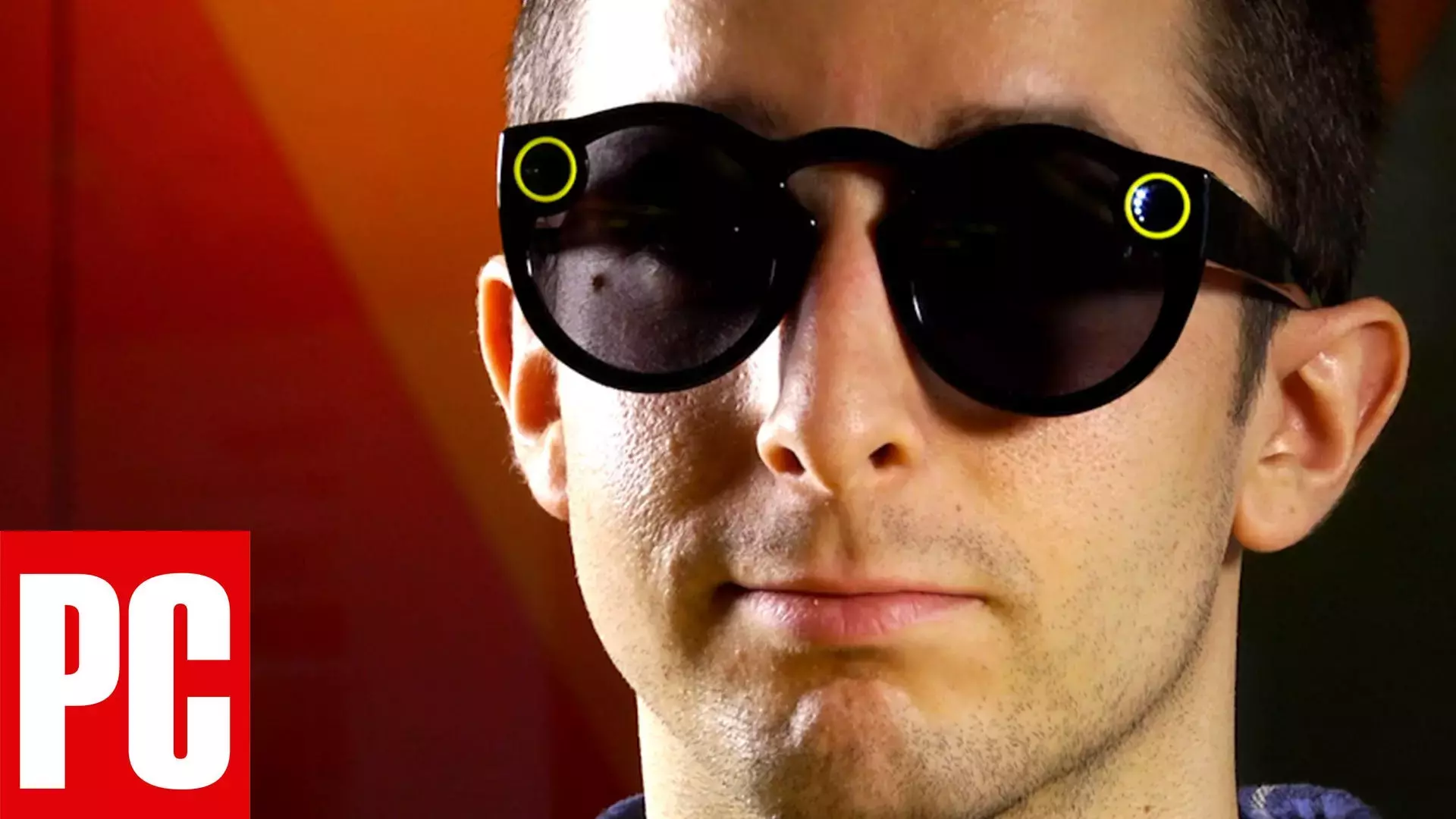
In late 2016, I happened to be working in Los Angeles when Snap released its first Spectacles, so I was able to grab a pair from a pop-up vending machine in Venice for $130. The bold color rings and round shape made the glasses a novelty in daily use. But the first-person, hands-free video shooting was awesome. The second-gen version then added water resistance, making them perfect for capturing footage at the water park or pool.
The third-gen version included AR and VR perks, but they were aimed at influencers more than consumers and came with a hefty price hike to $380. In late 2024, we also got a look at the developer-only Spectacles ’24, which will reportedly launch as full-fledged AR smart glasses this year. It’s unlikely they’ll be as affordable as the first-gen Spectacles, making it harder for cash-strapped beginners to dabble in hands-free content creation.

Snapchat Spectacles Review
Razer Zephyr Face Masks

(Credit: Tyler Hayes)
In an attempt to capitalize on the need for face masks during the COVID-19 pandemic, Razer released the Zephyr Wearable Air Purifier to a lot of fanfare. It was big and bulky, mostly to accommodate its flashing lights and fans. However, the company probably wishes it hadn’t made the Zephyr a reality. Razer claimed the Zephyr was N95-certified, enabling it to filter out most airborne germs, but an FTC investigation later found that Razer never submitted the mask for any N95-related testing. It later paid over $1 million to settle deceptive marketing charges and pay for refunds to customers who bought the device.
Recommended by Our Editors
Detect At-Home COVID Test

(Credit: Tyler Hayes)
In 2021, Detect started selling a $49 at-home molecular COVID-19 testing unit, which CEO Hugo Barra said offered PCR-level results that were 50x more sensitive than an antigen rapid test. It seemed perfectly poised for the moment; Barra (a former Google and Meta exec) made the PR rounds as the Omicron variant really took hold. In my testing, however, it wasn’t quite as simple as the Cue Health version. Barra has since left Detect, which pivoted to a focus on women’s health. Cue Health, however, shut down in 2024 after the FDA warned of false positives.
Spotify Car Thing

(Credit: Tyler Hayes)
Spotify’s Car Thing brought the music-streaming service and other infotainment-like options to less modern cars via a clip-on display. I thought it was a decent idea to have a cheap playback device to use for Spotify, but it had too many logistical problems, including mounting it and running a power cable throughout a car. It debuted in late 2021 for $89.99, but Spotify stopped making the Car Thing in 2022 due to low demand and cut the price to $49.99. Two years later, it was officially dead, and Spotify was forced to issue refunds after some pushback.
Earin M-1

(Credit: Tyler Hayes)
It can be difficult to remember a time before true wireless earbuds; we’ve come far enough that some have even returned to wired earbuds. However, before Apple’s AirPods took over the market almost a decade ago, earbuds like the Bragi Dash and Earin M-1 were among the first Bluetooth devices to figure out how to get audio from a phone to sync between two independent earpieces. I had the M-1s, which emerged after a successful Kickstarter campaign. While they were large and uncomfortable to wear for long stretches, their completely wireless design was amazing for the time, as was the charging capsule. We found the follow-up M-2s to be too pricey for their feature set, and Sweden-based Earin now describes itself as “a product development company focused on miniaturized audio solutions.”
Aether Cone Speaker

(Credit: Tyler Hayes)
Purchasing a device that only works with one service doesn’t seem like a very economical choice these days, but in 2014, the $399 Aether Cone debuted as a speaker for the Rdio music-streaming service. Initially, the company said it was “working hard” to ensure all your favorite streaming services were compatible with the Aether Cone, but in the end, Rdio was the only taker.
The Cone speaker had voice control, which could be activated by pressing the center button for a few seconds. The outer rim was also used for media controls. I remember it sounded decent for its size and the time. But its voice control left a lot to be desired. As much as I loved Rdio, I think I mostly ended up using the Cone as an AirPlay speaker. By late 2015, the company behind the speaker, Aether Things, shut down, around the same time that Rdio was acquired by Pandora.
About Our Expert

Experience
I’ve contributed to PCMag since 2019, covering Apple, electric vehicles, and lots of other consumer electronics. If a gadget plugs into a wall or uses a battery, there’s a good chance I’ve tested it and have some thoughts about its place in our daily lives. I write featured articles, how-to guides, and daily news.
I got my first taste of writing about technology for Fast Company in 2013, mostly how it intersected with the music industry. Since then I’ve written for dozens of publications and explored all other facets of service journalism, from reviews to buying guides. At one point, I took a break from journalism for a few years to work at a technology startup and then an industry Goliath, both valuable experiences in understanding how the business of tech works from top to bottom.
Read Full Bio