The AI Platform Wars of April 2026: Inside the OpenAI-Anthropic Battle for Developer Dominance
By Markos Symeonides | April 6, 2026
April 2026 has witnessed one of the most intense showdowns in the AI development ecosystem, pitting two titans—OpenAI and Anthropic—against each other in a high-stakes battle for control over the next generation of AI developer platforms. This confrontation, which some have dubbed “The AI Platform Wars,” involves aggressive strategic moves, platform policy shifts, and high-profile talent migrations that reflect deeper trends shaping the future of artificial intelligence infrastructure and developer communities.
At the heart of the conflict is the competition for dominance in providing AI coding assistants, large language model (LLM) APIs, and integrated tools that developers rely on to build software rapidly. This article dives deep into the key events that defined this April showdown, the underlying strategic implications for both companies, and what developers and the broader AI ecosystem can expect going forward.
Anthropic’s April 4 Blockade: The OpenClaw Subscription Lockdown
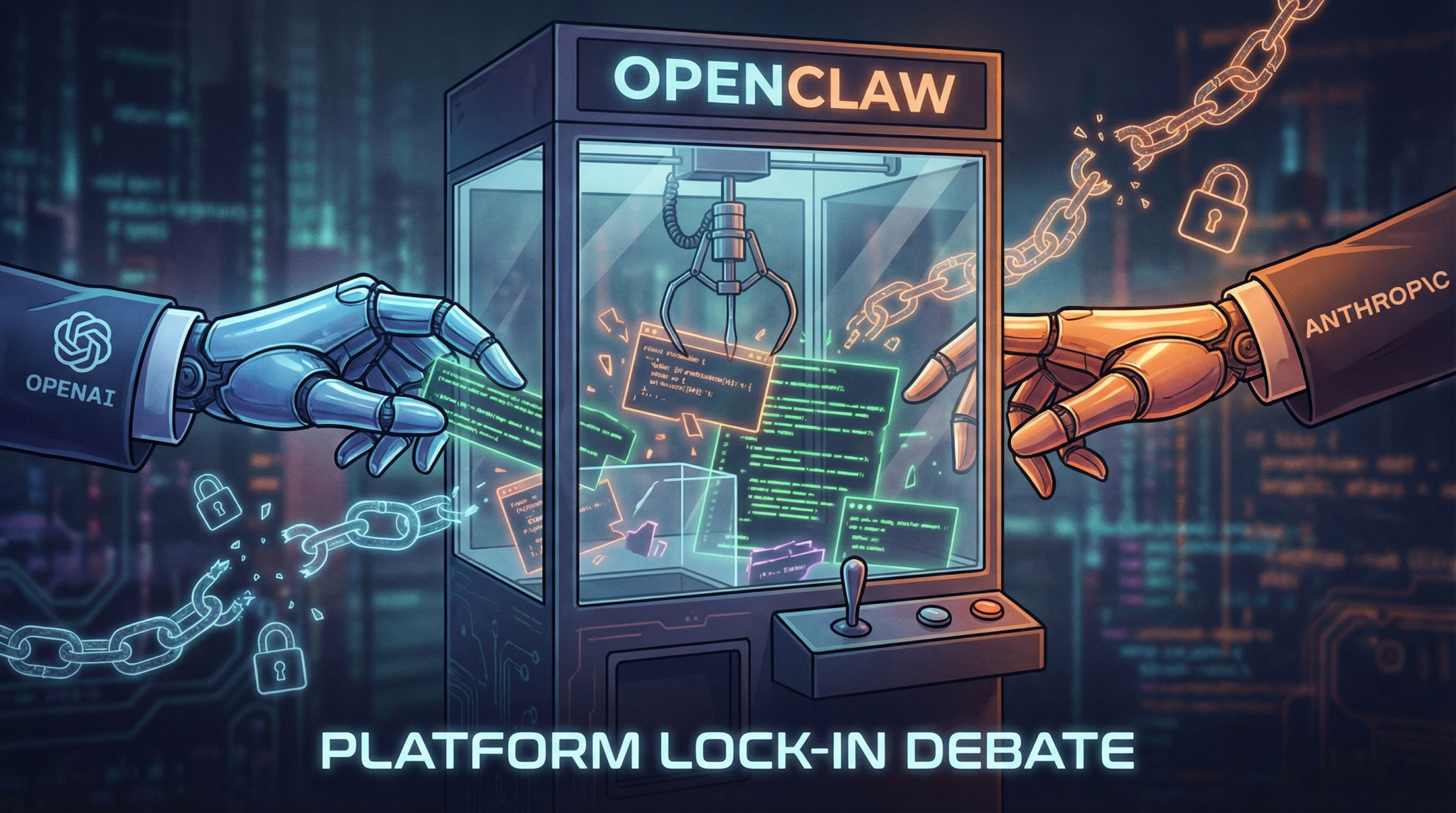
On April 4, Anthropic delivered a surprising and controversial blow to OpenClaw, a popular open-source project that enabled developers to access Anthropic’s Claude subscriptions through a streamlined interface. Anthropic blocked OpenClaw from continuing to use Claude subscriptions, effectively disabling its previous subscription-based billing model. Instead, Anthropic now mandates pay-as-you-go billing for any third-party utilization of Claude’s API.
This move was publicly justified by Boris Cherny, Anthropic’s head of Claude Code, who explained that subscriptions were not “built for third-party harness usage.” Cherny’s statement emphasized a protective stance towards controlled API usage, signaling Anthropic’s intent to tighten ecosystem access and monetize its offerings more granularly.
From a strategic perspective, this shift reflects Anthropic’s prioritization of revenue optimization and platform control amid growing third-party integrations that could dilute direct customer relationships. By mandating pay-as-you-go, Anthropic can capture value proportionate to actual usage while potentially discouraging unauthorized or loosely regulated third-party clients.
OpenClaw’s Creator Joins OpenAI: A Talent Coup
Compounding Anthropic’s actions, Peter Steinberger, the creator of OpenClaw, announced his move to OpenAI shortly after the subscription blockade. Steinberger’s transition is a significant talent acquisition for OpenAI, giving them insights into Anthropic’s developer ecosystem and the open-source projects targeting Claude.
Steinberger has publicly criticized Anthropic’s recent policies, stating that Anthropic “first copies popular features, then locks out open source.” This accusation highlights an ongoing tension between open innovation and proprietary platform control. It also suggests OpenAI’s strategic positioning as a more open and developer-friendly alternative, especially for those invested in open-source AI tooling.
OpenAI’s April 2 Codex Pay-As-You-Go Pricing Launch
Just days before Anthropic’s subscription blockade, OpenAI made a decisive pricing move by launching pay-as-you-go billing for Codex, its AI coding assistant platform. This pricing model aligns with Anthropic’s newly enforced pay-as-you-go model but was introduced earlier and with a more developer-centric positioning.
OpenAI’s Codex platform, which powers AI-assisted code generation and debugging, has long been a flagship product for developer engagement. By enabling pay-as-you-go pricing, OpenAI lowers barriers for small teams and individual developers, encouraging broader adoption. This move ensures pricing flexibility and aligns with the prevalent patterns in cloud and API service consumption.
Importantly, OpenAI’s pricing announcement also functioned as a preemptive competitive stance, clearly signaling its intent to dominate the AI coding assistant market through accessible and scalable monetization.
OpenAI’s Shutdown of Sora: Refocusing on Core Developer Tools
In an unexpected development, OpenAI announced the shutdown of Sora, its experimental AI chat app, within the same week. The rationale behind this decision was a strategic refocus on developer tools rather than consumer-facing applications.
This move reflects OpenAI’s recognition of where its competitive advantages and revenue potential truly lie: in providing robust AI APIs, coding assistants, and integrated development environments rather than competing in the increasingly saturated AI chatbot market.
By consolidating resources toward APIs like Codex and foundational models that power enterprise and developer applications, OpenAI aims to deepen its ecosystem influence and lock in developer mindshare.
OpenAI’s Acquisition of TBPN Tech Talk Show: Expanding Thought Leadership
In a strategic content and community play, OpenAI acquired TBPN, a popular tech talk show that has become a hub for AI developer education and discussion. This acquisition signals OpenAI’s commitment to owning not just the technology stack but also the narrative and community engagement around AI development.
TBPN’s influence in shaping developer opinions and disseminating advanced AI knowledge makes it a valuable asset. OpenAI’s expansion into media and content platforms demonstrates a holistic approach to ecosystem building, where education, marketing, and platform usage intersect.
OpenAI’s $122 Billion Funding Round and $852 Billion Valuation
April 2026 also marked OpenAI’s closure of a monumental $122 billion funding round, catapulting the company’s valuation to an astounding $852 billion. This influx of capital places OpenAI among the most valuable private technology companies globally and provides massive firepower for R&D, acquisitions, and market expansion.
The funding round attracted the world’s leading venture capital firms and strategic investors, underscoring confidence in OpenAI’s long-term vision and dominance. The capital infusion enables OpenAI to accelerate the development of advanced AI models, expand infrastructure, and aggressively compete against Anthropic and emerging rivals.
Anthropic’s Claude Code Source Leak: A Moment of Vulnerability
Anthropic experienced a significant security incident when 512,000 lines of Claude Code source code were accidentally exposed on npm for approximately three hours. Although swiftly rectified, this leak raised concerns about Anthropic’s operational security and intellectual property protection.
The exposure provided competitors, including OpenAI, a rare glimpse into Anthropic’s proprietary codebase, potentially enabling reverse engineering or accelerated feature development. While Anthropic downplayed the leak’s impact, developers and industry analysts view this event as a critical vulnerability that could shift competitive dynamics.
OpenAI’s Super App Vision: Codex, ChatGPT, and Atlas Integration
Looking ahead, OpenAI is aggressively pursuing the creation of a super app that seamlessly integrates Codex, ChatGPT, and Atlas—the company’s advanced contextual knowledge platform. This integrated environment aims to provide developers with an all-in-one AI toolkit capable of coding assistance, conversational AI, and intelligent data retrieval.
The super app concept seeks to solve the fragmentation problem that developers face today by unifying multiple AI capabilities into a single platform. This would not only enhance productivity but also lock users deeper into the OpenAI ecosystem, making switching costs higher for developers.
This vision contrasts with Anthropic’s more segmented approach and reflects OpenAI’s ambition to create a dominant, multifunctional AI development environment reminiscent of the “one-stop-shop” models seen in other technology sectors.
Strategic Implications of the April 2026 AI Platform Wars
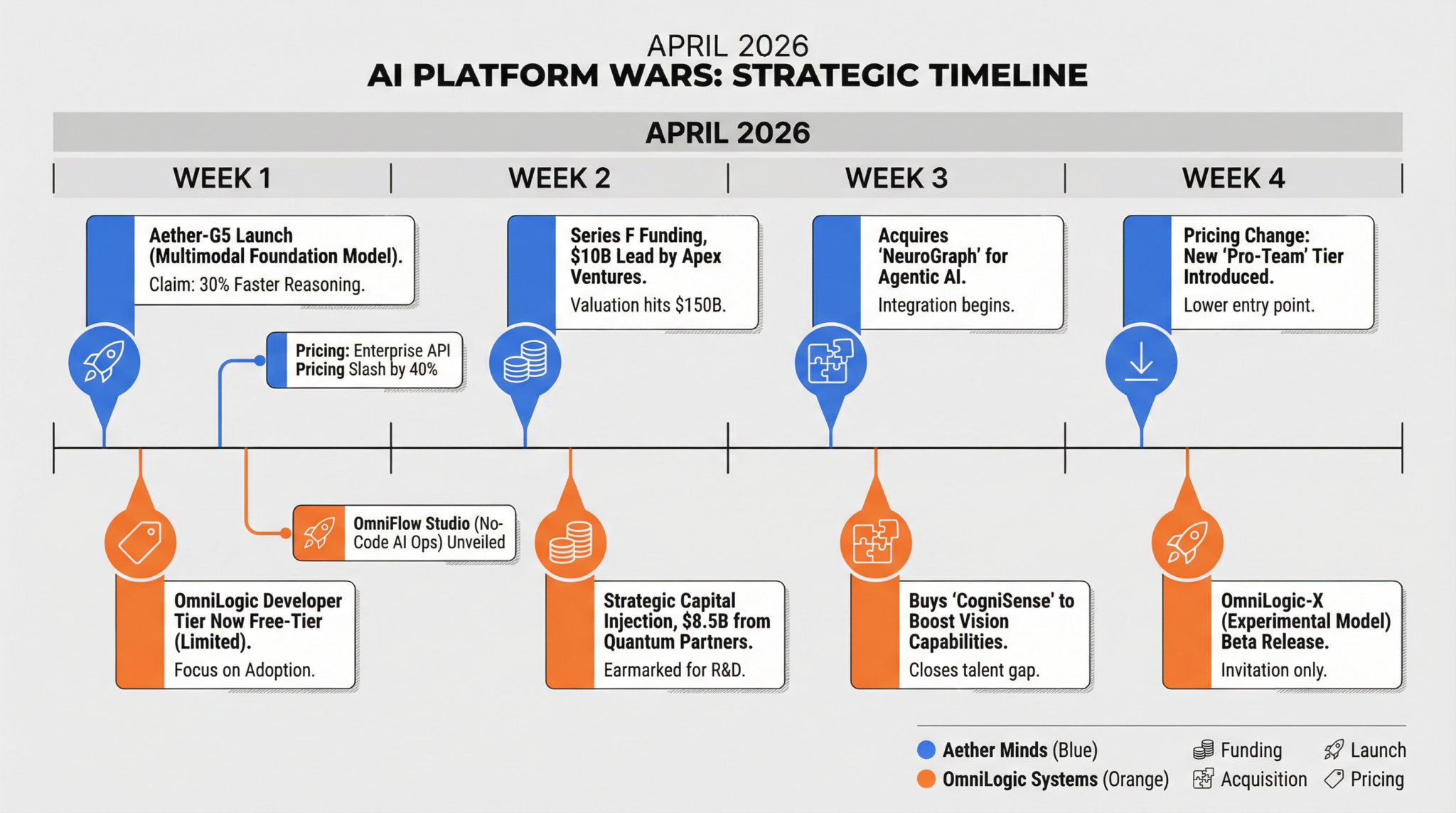
The sequence of events in April 2026 reveals a multifaceted competition between OpenAI and Anthropic, each employing distinct strategies to capture developer loyalty and market share. Below, we analyze the broader strategic implications for both companies and the AI development ecosystem.
1. Platform Control vs. Openness
Anthropic’s move to block OpenClaw’s subscription access and enforce pay-as-you-go billing underscores a desire to maintain strict control over its platform and monetization channels. This approach prioritizes predictable revenue streams and ecosystem governance but risks alienating open-source developers and third-party integrators.
Conversely, OpenAI’s embrace of pay-as-you-go pricing combined with talent acquisitions like Peter Steinberger signals a more open, developer-friendly posture. OpenAI appears to position itself as the champion of open innovation, leveraging community-driven projects to expand its reach.
This philosophical divide echoes larger industry debates about platform openness versus proprietary control, with each company betting on different developer preferences and market segments.
2. Talent and Intellectual Property as Competitive Moats
Steinberger’s move from Anthropic to OpenAI is emblematic of the fierce talent competition shaping the AI landscape. Recruiting individuals embedded in rival ecosystems offers not just technical expertise but also strategic insights into competitors’ strengths and weaknesses.
Meanwhile, Anthropic’s source code leak is a cautionary tale about the fragility of intellectual property protection. As AI platforms increasingly rely on proprietary model architectures and tooling, safeguarding code and data is critical for sustaining competitive advantages.
3. The Rise of Pay-As-You-Go as the Dominant Pricing Model
The simultaneous push by both companies toward pay-as-you-go billing reflects an industry-wide shift away from flat subscription models. Pay-as-you-go aligns costs directly with usage, making AI services more accessible to startups and individual developers while maximizing revenue from high-volume users.
This pricing evolution also complicates third-party integrations, as seen with Anthropic’s crackdown on OpenClaw, highlighting the tension between monetization and ecosystem openness.
4. Ecosystem Lock-In Through Integrated Developer Platforms
OpenAI’s super app ambitions demonstrate an effort to deepen ecosystem lock-in by bundling multiple AI capabilities into a unified platform. This strategy creates switching costs and increases developer dependency on a single vendor’s tools.
Anthropic’s segmented approach, focusing on discrete offerings like Claude Code, may face challenges competing against OpenAI’s integrated experience unless it pivots to a similar consolidation.
5. Content and Community as Strategic Assets
The acquisition of TBPN by OpenAI highlights the importance of controlling developer education and discourse. In a rapidly evolving field, shaping developer mindshare through trusted content channels can accelerate adoption and foster brand loyalty.
Anthropic’s comparative lack of media presence may hamper its ability to counter OpenAI’s narrative dominance.
6. Funding and Valuation as Levers for Market Influence
OpenAI’s unprecedented $122 billion funding round and $852 billion valuation provide it with unmatched resources to out-invest competitors in innovation, infrastructure, and market expansion. This financial muscle enables OpenAI to absorb short-term losses to achieve long-term platform dominance.
Anthropic, while well-funded, faces an uphill battle to match OpenAI’s scale without similar capital inflows.
What Developers Should Watch Next
For developers and organizations building on AI platforms, the unfolding OpenAI-Anthropic rivalry presents both opportunities and challenges. Here are key considerations moving forward:
- Evaluate Pricing Models Carefully: Pay-as-you-go billing offers flexibility but can lead to unpredictable costs. Understanding each provider’s billing nuances is essential.
- Monitor Ecosystem Access Policies: Anthropic’s tighter controls may limit third-party tool integration, whereas OpenAI’s openness may provide broader tooling choices.
- Stay Informed on Platform Integrations: OpenAI’s super app could simplify workflows significantly; tracking its development timeline is critical.
- Security and IP Risk Assessment: Recent source code leaks highlight the need for rigorous security due diligence when choosing AI platforms.
- Engage with Developer Communities and Content: Platforms with strong educational resources, like OpenAI with TBPN, may offer better support and innovation insights.
Developers interested in mastering AI coding environments and integrated tools can also refer to the comprehensive Mastering OpenAI Codex Plugins: The Definitive 2026 Tutorial for AI-Assisted Development, which offers detailed guidance on extending Codex capabilities and leveraging plugins to enhance AI-powered coding workflows.
For those exploring multi-agent conversational AI and integrated workflows, the in-depth analysis found in the How to Use ChatGPT Agent Mode for Deep Research in 2026: Step-by-Step Guide offers valuable insights into leveraging ChatGPT’s advanced capabilities for complex research tasks and maximizing workflow efficiency.
Additionally, the evolving landscape of AI platform security and IP protection is covered extensively in the how development teams are adopting AI coding assistants like Codex and Claude in 2026, a must-read for enterprise developers seeking insights into the latest AI integrations and their implications for security and intellectual property management.
Conclusion
The AI Platform Wars of April 2026 represent more than just a clash between two companies; they encapsulate fundamental tensions in the AI industry around openness, monetization, ecosystem control, and developer engagement. OpenAI’s aggressive capital deployment, platform integration, and open developer stance contrast sharply with Anthropic’s emphasis on platform control and segmented offerings.
For the AI development community, this rivalry promises rapid innovation but also requires careful navigation of shifting policies, pricing models, and platform capabilities. As these two giants duel for dominance, the winners will not only be the companies themselves but also the developers who can leverage the evolving tools to create the next wave of AI-powered software.
Markos Symeonides will continue to track these developments as the AI platform landscape evolves throughout 2026 and beyond.
Access 40,000+ AI Prompts for ChatGPT, Claude & Codex — Free!
Subscribe to get instant access to our complete Notion Prompt Library — the largest curated collection of prompts for ChatGPT, Claude, OpenAI Codex, and other leading AI models. Optimized for real-world workflows across coding, research, content creation, and business.
Access Free Prompt Library