Introduction to OpenAI Codex Plugins
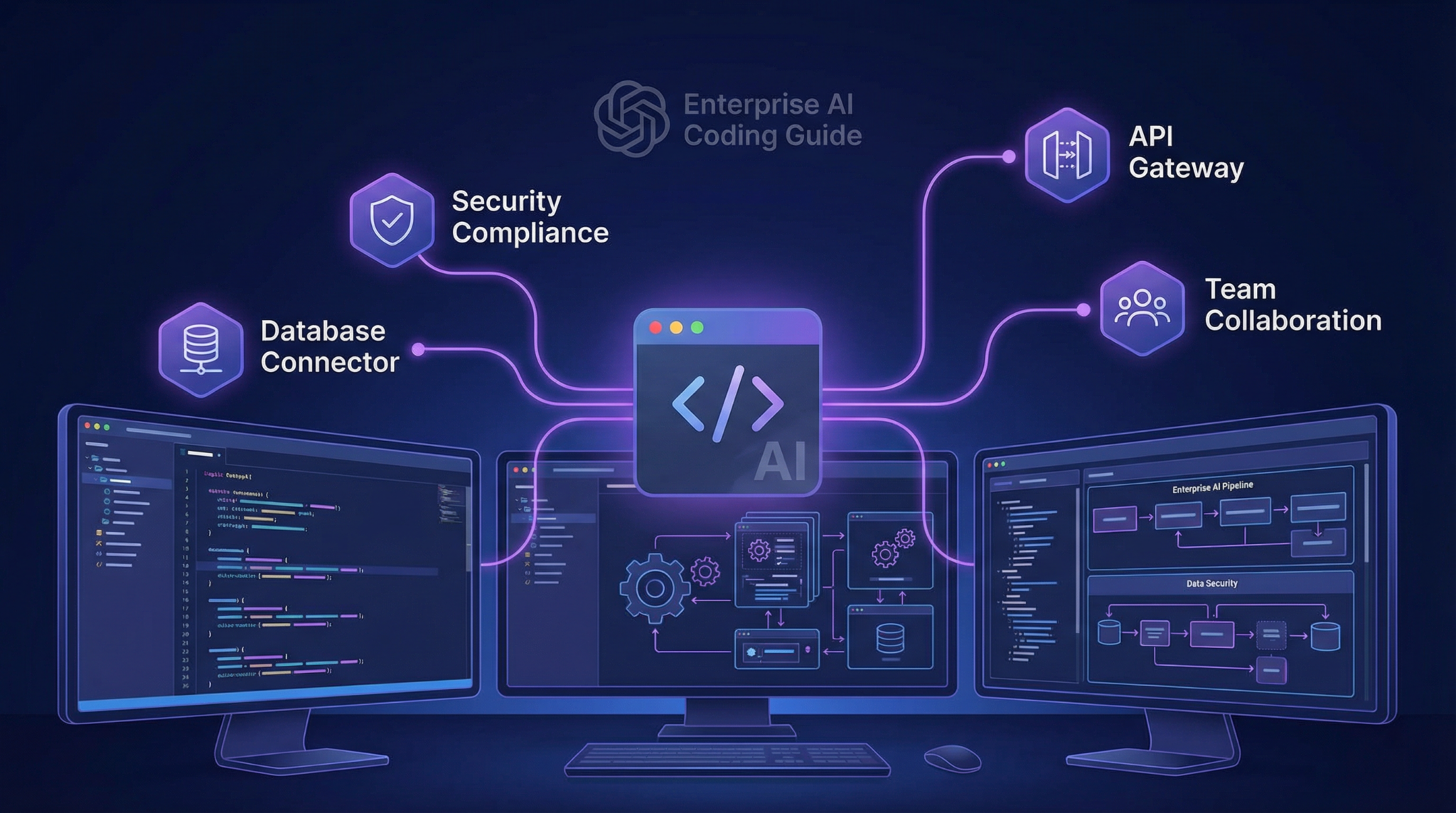
The rise of artificial intelligence in software development has transformed coding workflows, enabling developers to leverage AI-powered tools to write, review, and optimize code efficiently. OpenAI Codex, an advanced AI system designed to understand and generate code, has been a breakthrough in this landscape. Recently, OpenAI introduced Codex Plugins, a new feature specifically tailored for enterprise AI coding governance.
This guide provides a comprehensive exploration of OpenAI Codex Plugins, focusing on how they function, the benefits they bring to developers and enterprises, and a detailed implementation walkthrough. Whether you are a developer, a technical lead, or part of an enterprise governance team, understanding Codex Plugins is essential for harnessing AI responsibly and effectively within your coding environment.
How OpenAI Codex Plugins Work
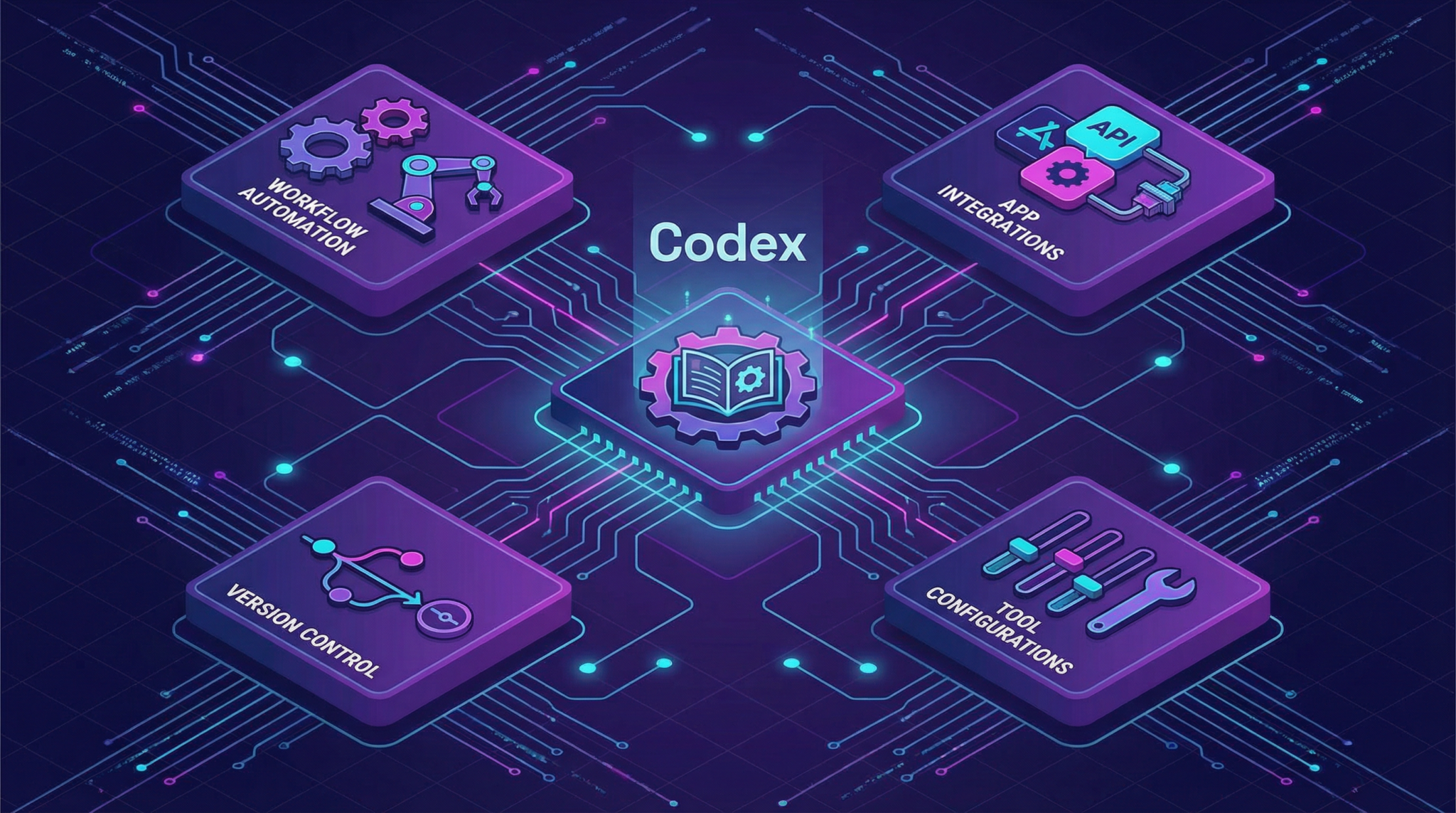
OpenAI Codex Plugins act as modular extensions that integrate with the Codex AI system to enforce coding policies, security protocols, and custom rules within enterprise environments. These plugins enable organizations to guide the AI’s behavior dynamically, ensuring compliance with internal standards and regulatory requirements.
Architecture and Integration
At its core, the Codex Plugins framework allows enterprises to add custom logic layers between the AI’s code generation engine and the final output. These plugins can intercept, modify, or block AI-generated code snippets based on predefined governance rules.
- Plugin Interface: Developers create plugins using a standard API interface that communicates with the Codex engine.
- Policy Enforcement: Plugins analyze code for security vulnerabilities, licensing compliance, style guidelines, or other organizational policies.
- Real-time Feedback: The integration provides immediate feedback or suggestions, enabling developers to correct issues before finalizing code.
- Extensibility: Enterprises can customize plugins to align with evolving coding standards and compliance mandates.
Plugin Lifecycle and Execution
When a developer invokes Codex for code generation:
- The Codex engine produces an initial code snippet based on the prompt.
- Codex Plugins receive this snippet and evaluate it against governance rules.
- Plugins may allow, modify, or reject the code snippet.
- Modified or approved code is returned to the developer via the integrated development environment (IDE) or platform.
- Feedback logs and audits are automatically recorded for governance tracking.
Security and Privacy Considerations
OpenAI has designed the Plugins framework with enterprise-grade security in mind:
- Data Isolation: Code analyzed by plugins remains within the enterprise environment without exposure to external systems.
- Access Controls: Strict authentication and authorization mechanisms control plugin deployment and updates.
- Audit Trails: All plugin interactions are logged for compliance and review purposes.

Benefits for Developers and Enterprises
The introduction of Codex Plugins transforms AI-assisted coding by embedding governance directly into the AI workflow. This provides a range of advantages:
For Developers
- Improved Code Quality: Immediate feedback from governance plugins helps developers avoid common pitfalls and adhere to best practices.
- Enhanced Security: Automatic detection of security vulnerabilities reduces the risk of introducing exploitable code.
- Faster Iterations: Developers spend less time on manual code reviews since plugins enforce policies proactively.
- Learning & Development: Plugins serve as educational tools by highlighting policy violations and suggesting corrections.
For Enterprises
- Consistent Compliance: Codex Plugins ensure that AI-generated code complies with corporate standards, industry regulations, and legal requirements.
- Risk Mitigation: Early detection of licensing issues or security flaws reduces potential liabilities.
- Governance Transparency: Centralized logging and audit trails enable thorough oversight of AI-assisted development activities.
- Customization & Control: Enterprises can tailor plugins to evolving governance frameworks without disrupting developer workflows.
These benefits combine to deliver a more secure, efficient, and compliant AI coding experience, empowering organizations to scale AI-assisted development confidently.
Step-by-Step Implementation Guide
Implementing OpenAI Codex Plugins in your enterprise environment involves planning, development, integration, and continuous monitoring. This section outlines a detailed approach to get started.
1. Define Governance Policies and Requirements
Before building plugins, it is critical to outline the coding governance objectives:
- Identify key policies: security standards, code style guides, licensing rules, etc.
- Determine compliance frameworks relevant to your industry (e.g., GDPR, HIPAA, SOX).
- Engage stakeholders from legal, security, and development teams to align expectations.
2. Set Up the Development Environment
Ensure your team has access to the necessary OpenAI Codex API credentials and plugin SDKs:
- Register your enterprise with OpenAI and obtain API access.
- Install required tools and SDKs for plugin development.
- Configure secure development environments that comply with your data policies.
3. Develop Custom Codex Plugins
Based on your policies, develop plugins that:
- Parse and analyze generated code snippets.
- Detect and flag violations or issues.
- Modify or suggest alternative code if necessary.
- Log all plugin activities for auditing.
Example plugin use cases include:
- Enforcing naming conventions and style consistency.
- Scanning for usage of disallowed libraries or code patterns.
- Validating security best practices like input validation or encryption.
4. Integrate Plugins with the Codex Workflow
Configure your development platforms or CI/CD pipelines to incorporate Codex Plugins:
- Embed plugins in IDE extensions or cloud-based coding platforms.
- Ensure plugins execute in real-time or as part of code review stages.
- Test integration thoroughly to confirm seamless developer experience.
5. Train and Onboard Developers
Educate your development teams on the new AI governance process:
- Explain plugin functionality and benefits.
- Provide guidance on interpreting plugin feedback.
- Encourage feedback to improve governance rules over time.
6. Monitor, Audit, and Iterate
Continuously review plugin logs and audit trails to:
- Identify recurring compliance issues.
- Update plugins to address emerging risks or policy changes.
- Measure impact on code quality and development velocity.
Following this structured approach ensures a smooth and effective Codex Plugins implementation aligned with enterprise governance goals.
Best Practices for AI Coding Governance
To maximize the value of Codex Plugins and maintain robust AI coding governance, consider these best practices:
- Modular Plugin Design: Build discrete plugins targeting specific governance areas to simplify maintenance.
- Collaborative Policy Development: Involve cross-functional teams in defining governance criteria for balanced and practical rules.
- Transparent Feedback: Ensure plugin messages are clear and actionable to support developer learning.
- Regular Updates: Keep plugins current with evolving coding standards and security landscapes.
- Data Privacy Compliance: Protect developer and organizational data during plugin processing.
- Performance Optimization: Design plugins to minimize latency and avoid disrupting coding workflows.
Adhering to these guidelines will help your organization maintain a secure, scalable, and developer-friendly AI governance framework.
Future Outlook of Codex Plugins in Enterprise AI
The introduction of Codex Plugins marks a significant milestone in enterprise AI coding governance. Looking ahead, several trends are expected to shape their evolution:
- Increased Automation: Plugins will incorporate more advanced AI techniques to autonomously fix violations and optimize code.
- Deeper Integration: Tight coupling with popular IDEs, cloud platforms, and DevOps tools will enhance developer experience.
- Expanded Ecosystems: Enterprises and third-party vendors will develop rich plugin marketplaces catering to diverse governance needs.
- AI Ethics and Explainability: Plugins will embed ethical guidelines and provide transparent rationales for enforcement decisions.
- Cross-Enterprise Collaboration: Shared governance models may emerge for industries with common regulatory requirements.
Staying informed about these developments will empower organizations to continuously refine their AI-assisted coding governance strategies.
Access 40,000+ AI Prompts for ChatGPT, Claude & Codex — Free!
Subscribe to get instant access to our complete Notion Prompt Library — the largest curated collection of prompts for ChatGPT, Claude, OpenAI Codex, and other leading AI models. Optimized for real-world workflows across coding, research, content creation, and business.
Access Free Prompt Library
Conclusion
OpenAI Codex Plugins represent a powerful advancement for enterprises seeking to govern AI-assisted software development effectively. By integrating custom governance logic directly within the AI code generation process, organizations can enforce compliance, improve code quality, and reduce risks without sacrificing developer productivity.
This guide has outlined the foundational concepts, benefits, and practical steps necessary to implement Codex Plugins in your environment. Embracing this technology will position your organization at the forefront of secure, scalable, and responsible AI-driven development.
For a hands-on look at how AI coding tools are being used in production environments, explore our step-by-step guide to ChatGPT Agent Mode, which demonstrates how to combine deep research capabilities with code generation for complex development workflows.
Enterprise teams already using AI agent frameworks should consider how Codex Plugins complement tools like Microsoft Autogen for building multi-agent workflows, where Codex handles code generation while Autogen orchestrates the broader automation pipeline across your development team.
To get the most out of Codex Plugins, pair them with effective prompting strategies. Our guide to 25 advanced ChatGPT prompting techniques optimized for GPT-5.4 includes specific patterns for code generation, debugging, and architecture design that work seamlessly with Codex Plugin workflows.
© 2026 ChatGPT AI Hub. All rights reserved.