Viewed from the very narrow perspective of tech and related services that were discontinued, deprecated and disconnected, 2025 was pretty quiet. But not silent: 10 events stand out for me as a loooong-time observer and participant in the industry from the perspective of having a notable impact or representing the end of an era.
For comparison, in 2022, we lost some big names, like the iPod, Google Stadia and Internet Explorer. This year seemed to have fewer high-profile goodbyes and a lot more nostalgia and changes symptomatic of larger trends.
Don’t miss any of our unbiased tech content and lab-based reviews. Add as a preferred Google source.
Watch this: RIP to the Tech That Died in 2025
AOL disconnects its dial-up internet service
If you’re of a certain age, like me, the screechy tones of a modem handshake connecting to the internet provide an audio sense memory of the slow, formative years of the web. In those early days, you logged into a particular service, so the biggest fish — AOL — became synonymous with dial-up. Thirty-four years later, in September, it ceased to screech and perhaps left a large number of rural customers without home internet access. (Some 2 million people were still using it as of 2015.)
The Humane AI wearable when it was new.
Humane AI pin
I was baffled by the excitement around the Humane AI pin, a wearable AI voice chat device: It may be because I’ve seen so many of these one-trick ponies come and go, most replaced by multifunctional gadgets. In the case of the pin, which lasted only around a year, the fact that it wasn’t very good compounded the problem. While HP bought Humane AI lock, stock and chatbot in February, the driver was the technical talent, operating system and patent portfolio; a revival of the hardware is unlikely.
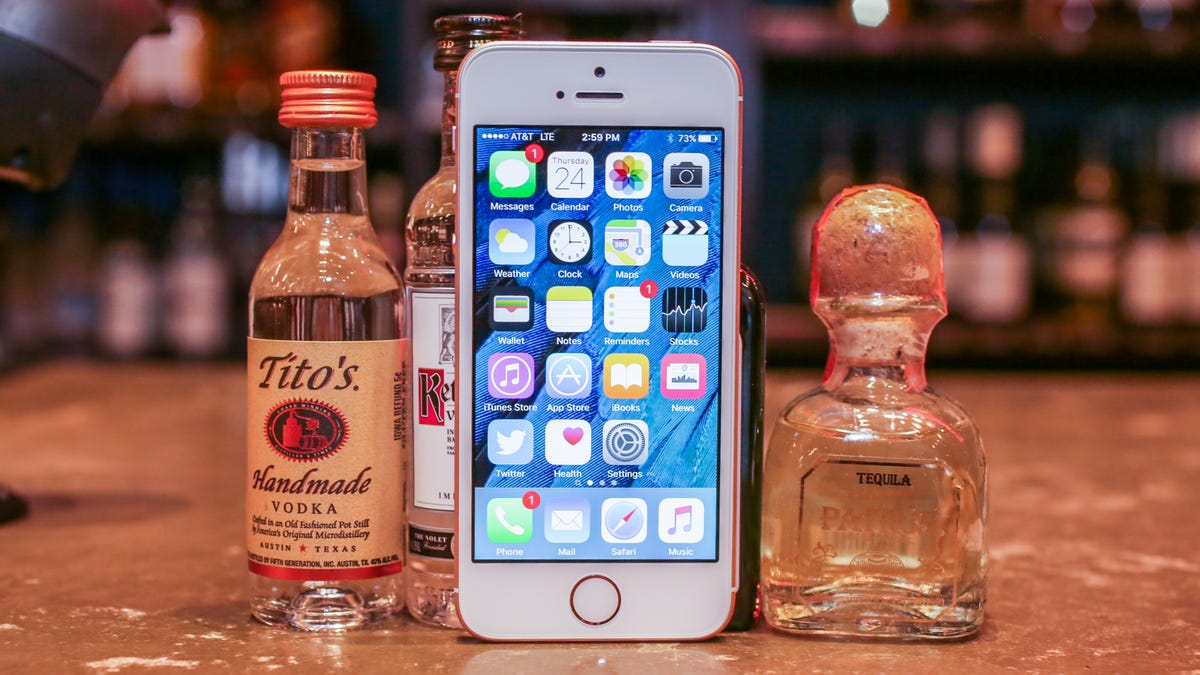
The last home button, here on the iPhone SE.
The last iPhone home button leaves town
You can’t go home again, at least not easily on the iPhone anymore. The last model with a dedicated home button was the iPhone SE, which was replaced by the home buttonless iPhone 16e in February. In some cases, you can map another control to bring you home, but it means giving up direct access to another capability, and I curse its absence every time my iPhone gets persnickety about sensing upswipes from the bottom of the screen.
Micron Crucial DDR5 in 2024 just before the AI boom.
Micron forgets Crucial consumer memory
Memory manufacturers are flocking to high demand, high margin, AI-friendly high-bandwidth memory thanks to the seemingly deep pockets of popular AI companies that need data centers yesterday. Given there are only really three significant manufacturers — SK Hynix, Micron and Samsung — when Micron announced it was pivoting away from consumer markets in November, the end to these days of impossible-to-find, impossible-to-afford memory for PCs seems further away than ever.
The BSoD when I last remembered to photograph it in 2021.
Black is the new blue screen of death
Windows’ blue screen of death has been a tech staple since the early days of the graphical user interface, one of the most dreaded and not-terribly-useful jump scares ever provided by a system crash. While Microsoft improved the recovery speed and backend data collection for operating system crashes in October 2024, the company replaced the BSoD itself in the October 2025 release of the OS, with a “simpler UI” on a (less anxiety-inducing?) black background. We will miss you, giant frown emoticon. Though I still expect it to pop up in the usual unusual places, like digital billboards and taxi entertainment systems, which invariably run on old versions of Windows.
The home screen of the Fire TV Stick 4K Max, running apps from the Amazon App Store.
Amazon fires its Android App Store
Amazon has always had a laser-sharp focus on the bottom line, which includes driving buyers toward its own-branded products. It took that to a new level in August, shutting its store for general Android apps and switching to apps intended to run solely on its own Fire devices, which run a custom version of Android. The store lasted a relatively long time, though, 14 years from its 2011 launch.
Skype circa 2018.
Microsoft Skype becomes a Teams player
Long before FaceTime and ubiquitous VOIP communications, in the early years of this century, Skype entered the mainstream consciousness as a cheap alternative to pricey long-distance and international phone (voice) calls, picking up speed when it was acquired in Microsoft in 2011 and added video calling to its skill set. In February, Microsoft announced we’d be saying buh-bye to the veteran standalone app and that it would be folded into the company’s free version of its less-beloved Teams app.
Nest Learning Thermostat second generation.
Google Nest Learning Thermostat dumbs down
Google’s lobotomy of the first two generations of the OG smart thermostat in October provided us with yet another object lesson in 21st-century planned obsolescence. The hardware is fine, just old by tech standards: Nest Labs launched it in 2011, and Google bought the company in 2014. But by disconnecting it from the app (euphemistically referred to as “ending support”), it loses a lot of the features you bought it for, like remote operation and notifications, as well as discontinuing security updates — essentially encouraging people to upgrade.
Google’s Stadia controller, now a relic.
Google bricks last Stadia controllers
Google’s custom-designed controller, with its proprietary connection to the company’s short-lived Stadia cloud gaming service, was discontinued when the service shuttered in at the end of 2022. The company refunded hardware purchases, but has also provided firmware upgrades to convert it to Bluetooth; it’s a well-designed controller, so tossing it seems a waste. But as of the end of 2025, the company stops offering the upgrade — if you haven’t converted by then, you can add the controller to your shelf of nonfunctioning collectibles.
DJI Mini 2 flying free.
US grounds DJI drone imports
One of the major drone manufacturers — it’s probably the most well-known — now numbers among the products you’ll have trouble buying here in the US, thanks to a ban on imports of all foreign-made drones that went into effect in December. You can still fly ’em and buy ’em, you’ll just have a problem finding ’em.