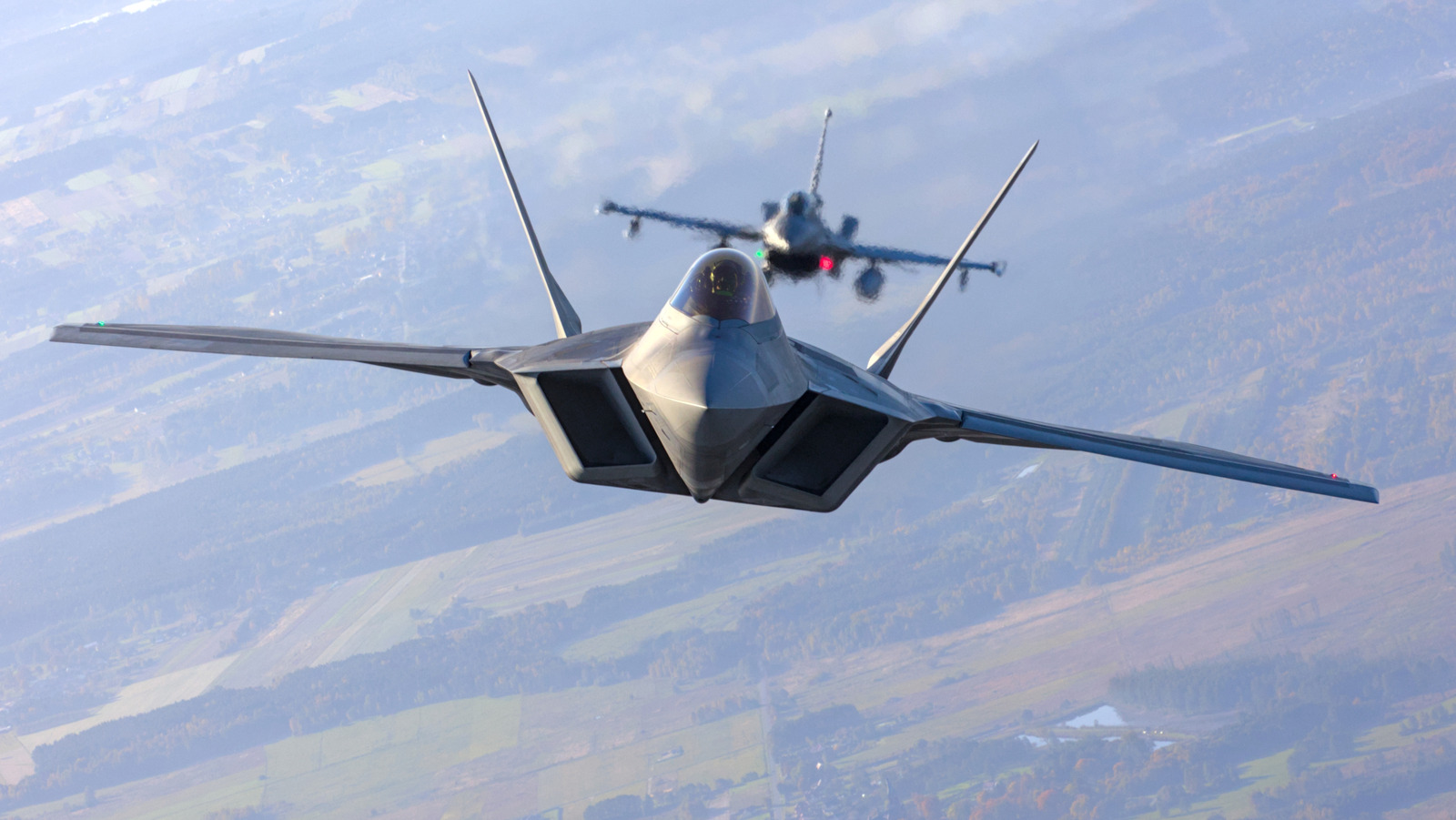
“Hypersonic” refers to speeds over Mach 5, or five times the speed of sound. That’s approximately 3,800 miles per hour, a pace that could take you all the way around the equator in less time than it takes a standard passenger jet to go from New York City to London. Hypersonic speed makes the most cutting-edge supersonic fighter jets look like snails, so naturally, the United States Air Force is dying to harness that power. The Pentagon has rolled out plans for hypersonic jets on multiple occasions over the past two decades, but due to the challenges inherent in the technology, we have yet to see hypersonic aircraft progress any further than the testing stage. Everything the Air Force has tried thus far has been either incredibly inefficient, wildly dangerous, or more often than not, both.
Supersonic flight is risky enough as is, bringing a wealth of issues from the damaging sound waves of sonic booms, to the brutal physical impact on pilots, to the millions of dollars in expenses along the way. Scaling up to hypersonic speed amplifies all those problems, and adds an even more significant one. By far the biggest challenge to achieving hypersonic flight is the phenomenon of aerodynamic heating. Simply put, the faster a plane flies, the more friction it creates with the surrounding air, and that can generate a deadly amount of heat. The Pentagon needs to find a way to shield its fighter jets from this heat, or pilots will face more danger from their own planes than from any enemy.
In the hot seat
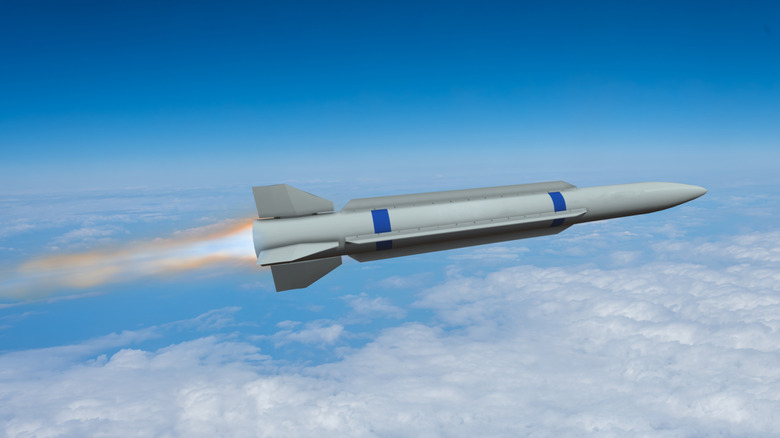
Flight tests have measured the aerodynamic heating generated by hypersonic aircraft, and the numbers are truly shocking. The surface temperature of a plane flying at Mach 5 has been recorded as high as 3,500 degrees Fahrenheit. That’s hot enough to melt titanium, so in order to keep hypersonic planes from incinerating mid-flight, engineers have to create custom nickel alloys for the airframe. Mind you, Mach 5 is just the threshold for hypersonic flight. Over Mach 5, temperatures within the shock layer surrounding the aircraft can climb over 10,000 degrees, and even the toughest material on Earth may not be enough to handle long-term hypersonic flight.
Aerodynamic heating brings some dangerous side effects as well. At high hypersonic speeds, the heat can become intense enough to split the oxygen and nitrogen molecules in the air apart. Breaking those chemical bonds leaves behind highly-reactive free radicals, which accelerate chemical reactions like oxidation, rapidly degrading building materials. Massive shifts in temperature cause the airframe to expand and contract, which can cause cracks to develop in the plane. These weaknesses could be life-threatening to pilots, which is why no one has been able to fly at hypersonic speeds before. Well … almost no one.
Examples of hypersonic aircraft
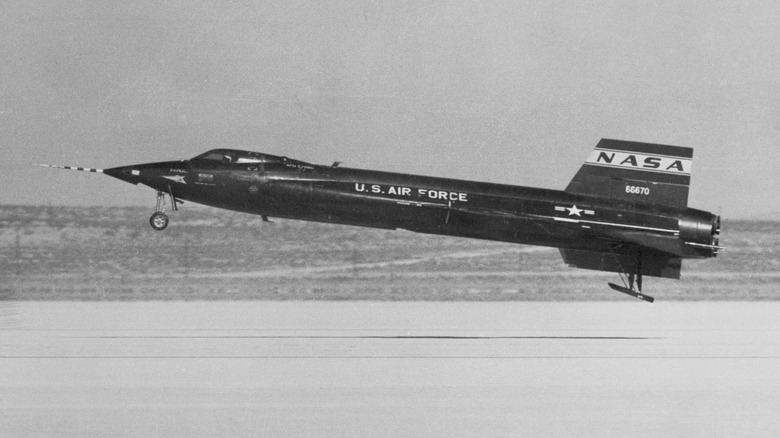
To date, only two manned aircraft have ever achieved hypersonic speed. One was the Space Shuttle during reentry, and the other was the X-15, an experimental rocket-powered plane tested by the U.S. government in the 1960s. The X-15 took 199 test flights, and on one of these flights in 1967, Air Force pilot Pete Knight hit Mach 6.7 (4,520 mph).
The X-15 never entered service. It was inefficient, needing to be launched from the wing of a B-52 bomber flying at least 600 mph. Once airborne, it would burn through its fuel in less than two minutes, after which the aircraft became nothing more than a heavy glider, immensely challenging to maneuver. A little over a month after Knight’s record-setting flight, fellow pilot Michael Adams was killed when his X-15 entered a spin and crashed. The next year, the project was shut down.
Unmanned aircraft have reached even higher speeds, with the all time record belonging to NASA’s X-43 jet, which achieved a blistering Mach 9.6 in a 2004 test flight. However, that ended up being the last flight the X-43 ever took. It faced the same problems of inefficiency that the X-15 did. Only three of the craft were ever made, and one was destroyed in a crash that would have been deadly had it been manned. While the record-breaking successes are exciting, these terrifying accidents show why NASA and the Air Force have a lot of work left ahead of them.