Welcome to PCMag’s AI wrap-up, where every week we’ll catch you up on the AI news that matters, dig into the trends shaping the industry, and finish up with something weird from the web.
This week, our team was in Las Vegas for the CES, where AI was, of course, the topic du jour. But ironically, all the frontier AI companies we report most on, such as OpenAI, xAI, and Anthropic, don’t attend. Too cool? Well, they’re not alone. Microsoft, Google, and other established players often have a presence at the show, but don’t generally use it as a big moment for AI news and releases. Most prefer to have their own moments to shine.
So, even though this week’s headlines were dominated by CES, we’ve compiled a more comprehensive view for you here.
Headlines You Need to Know
-
Grok starts undressing underage girls, so X turns it off for most users. The controversy-prone AI image generator complied with user requests to create scantily clad deepfakes of two girls between the ages of 12 and 16, later admitting it may have violated US laws on child sexual abuse material (CSAM). So, now you need a Premium account to use it. Democratic senators, however, want Apple and Google to pull X and Grok from their app stores until the feature is removed entirely.
-
ChatGPT Health. Helpful or disastrous? OpenAI wants you to fork over your medical records for its new dedicated health experience. That’s a relief to those who find AI a helpful medical assistant, while others say the data privacy concerns are what’s making them sick.
-
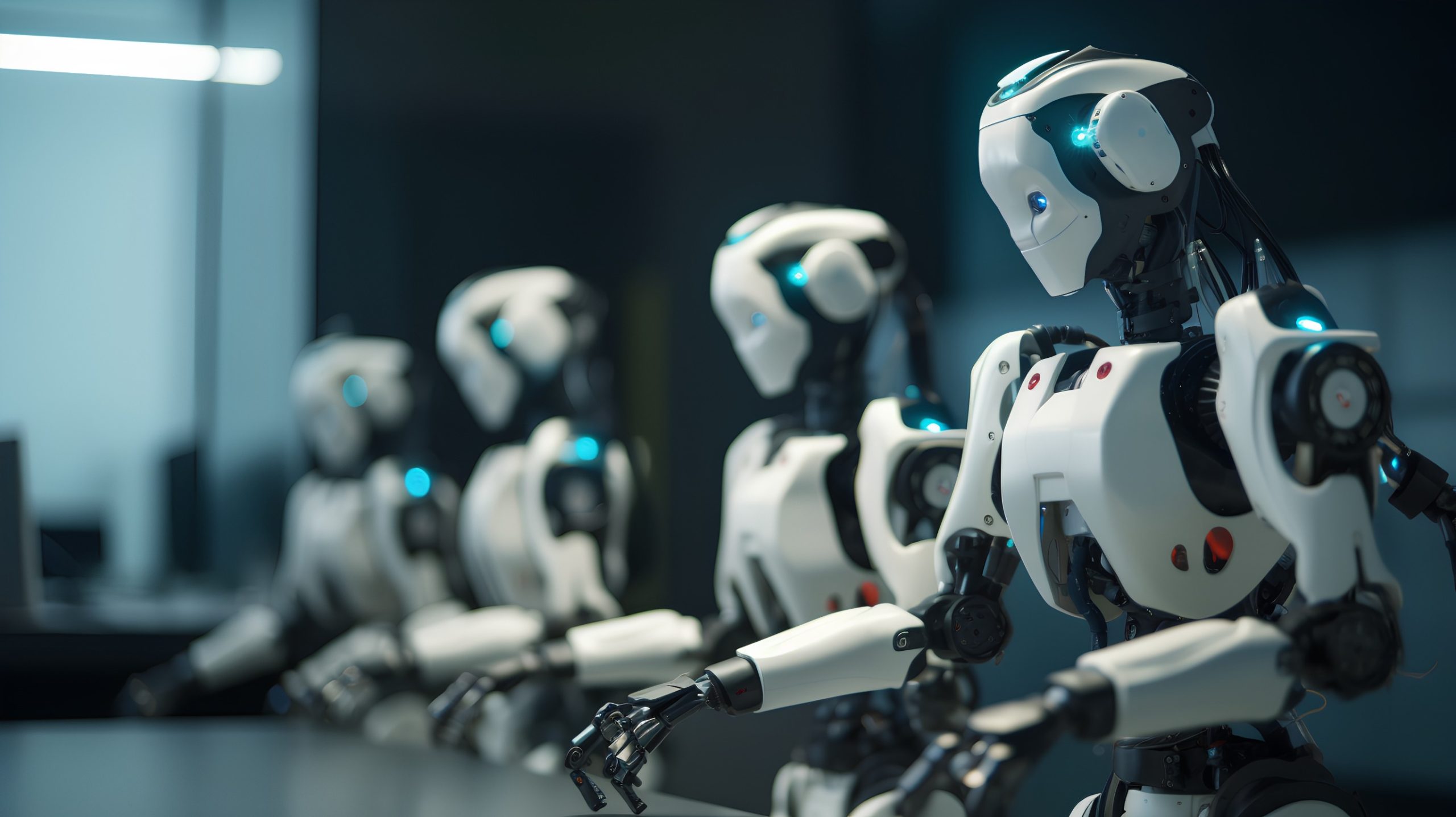
‘Physical AI‘ is still vaporware. Nvidia CEO Jensen Huang touted his vision for AI hardware in every corner of our lives in his CES keynote address, and nearly every booth had some form of “physical AI,” like wacky robots. With all that talk, you’d think its launch was imminent, but in reality it’s going to be a long time until a robot is folding your laundry. One did make one of our writers a drink, though.
-
Gmail is becoming an AI soup. Google expanded the availability of multiple new AI features—such as summaries, writing tools, and filters—to the free version of its email platform, and announced some new perks for those with premium AI accounts.
The Bigger Picture
The big focus for AI companies in 2026 is how to make the technology truly helpful. People’s patience with the hype is wearing thin, as we’re all wondering, “When is this supposed revolution going to hit?” Tech companies claim it’s here, but are struggling to prove it—or make money off it, that is. Laptop and mobile phone makers are stuffing more AI features into their latest models, but overall, it reads as a series of iterative improvements, not the dawn of a new era.
OpenAI thinks one answer is ChatGPT Health, its new dedicated interface for health questions. You can also upload medical records and port over data from your Oura ring or other wearables and apps; OpenAI lists Apple Health, Function, and MyFitnessPal. It can “help you understand recent test results, prepare for appointments with your doctor, get advice on how to approach your diet and workout routine, or understand the tradeoffs of different insurance options based on your healthcare patterns,” OpenAI says.
I know we all want to fix the broken, non-patient-centric healthcare system in the US, but the jury is still out on whether AI can improve patient outcomes or make them worse. Sure, it might be good at scraping the web for common remediations to known problems, but in one Harvard study, it harmed radiologists’ ability to diagnose issues. The first major medical study to see if AI can improve breast cancer detection is just now starting. Another woman uploaded her IVF results to ChatGPT, and it accidentally revealed the gender. Use it at your own risk.

Get Our Best Stories!
Your Daily Dose of Our Top Tech News

By clicking Sign Me Up, you confirm you are 16+ and agree to our Terms of Use and Privacy
Policy.
Thanks for signing up!
Your subscription has been confirmed. Keep an eye on your inbox!
ChatGPT Health is also just one piece of a broader puzzle, where companies and even the federal government are trying to bring more personalized tech into healthcare. Health and Human Services Secretary Robert F. Kennedy Jr. said in June he wants “every American” to have a wearable, and invited a select group of healthcare tech CEOs to the White House to discuss it. I’m sure they wouldn’t say “no” to a government contract.
Meanwhile, Google just wants to help you write emails. Its new AI tools can also help you sort them, so you’re not filled with dread when open your inbox. Those new tools are rolling out now in the US, so get ready to have no idea if an AI or human is writing to you.
Recommended by Our Editors

Nvidia CEO Jensen Huang (Photo by Patrick T. Fallon / AFP via Getty Images)
Nvidia is on the opposite end of the practicality spectrum, with CEO Jensen Huang donning a shiny crocodile jacket at CES to proclaim robots are going to help you with nearly every task in your life. But don’t hold your breath; all the robots we saw at CES are still vaporware, and for now Huang is likely just trying to manifest a future where his chip sales are as guaranteed as the sun coming up. He seems to have convinced the rest of the tech industry to start making that happen, too.
Overheard at the Bar
The gossip about AI-driven personnel changes in Silicon Valley continues, which we touched on in our first edition of this column. Tim Cook will eventually step down as Apple CEO, so The New York Times profiled his presumptive heir, John Ternus, Apple’s current head of hardware engineering. Nvidia also poached a VP from Google, Allison Wagonfeld, to be its first-ever Chief Marketing Officer, which she announced on LinkedIn.
Finally, new data is circulating on social media about the number of queries on StackOverflow, previously the go-to site for software developers looking for help. Between 2010 and 2026, activity has dropped to nearly zero, since most developers now agree it’s a lot easier to ask an AI than to comb through StackOverflow forums. The site is still making money thanks to licensing deals.
This Tweet is currently unavailable. It might be loading or has been removed.
About Our Expert

Emily Forlini
Senior Reporter
Experience
As a news and features writer at PCMag, I cover the biggest tech trends that shape the way we live and work. I specialize in on-the-ground reporting, uncovering stories from the people who are at the center of change—whether that’s the CEO of a high-valued startup or an everyday person taking on Big Tech. I also cover daily tech news and breaking stories, contextualizing them so you get the full picture.
I came to journalism from a previous career working in Big Tech on the West Coast. That experience gave me an up-close view of how software works and how business strategies shift over time. Now that I have my master’s in journalism from Northwestern University, I couple my insider knowledge and reporting chops to help answer the big question: Where is this all going?
Read Full Bio