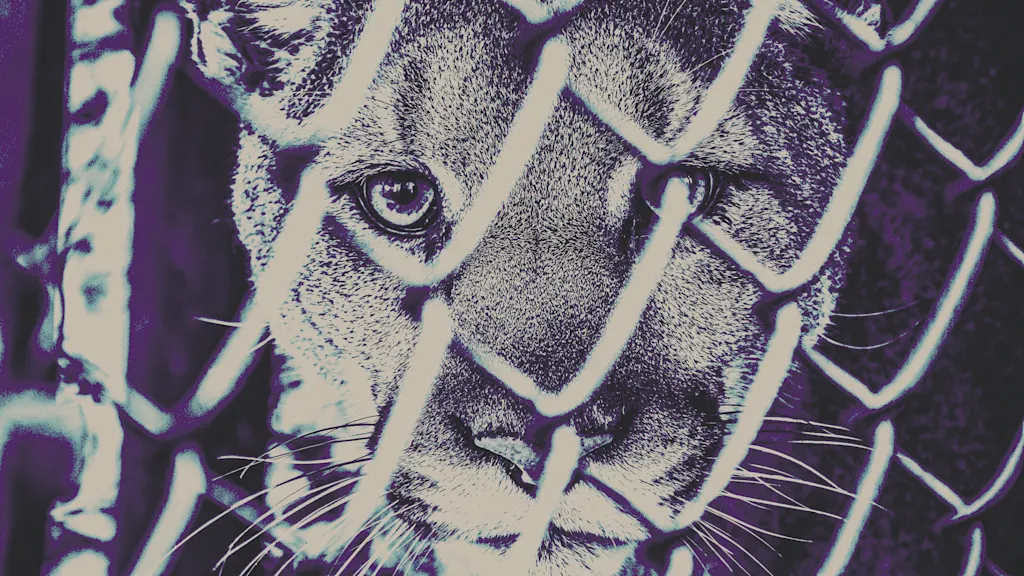
In late 2025, Interpol coordinated a global operation across 134 nations, seizing roughly 30,000 live animals, confiscating illegal plant and timber products, and identifying about 1,100 suspected wildlife traffickers for national police to investigate.
Wildlife trafficking is one of the most lucrative illicit industries worldwide. It nets between US$7 billion and $23 billion per year, according to the Global Environment Facility, a group of nearly 200 nations as well as businesses and nonprofits that fund environmental improvement and protection projects.
People buy and sell a wide range of items, including live animals, plant powders and oils, ivory carvings, and musical instruments.
Historically, enforcement has been largely reactive. There is so much global trade that fewer than 1 in 10 international cargo shipments of any kind are physically inspected. Traffickers also avoid detection by using false or generic names instead of proper species identification, employing coded language in online listings, rerouting shipments, and shifting to different messaging platforms when enforcement pressure increases. Emerging digital tools are helping authorities link online monitoring, legal reference tools, and on-the-ground investigations.
As a researcher at the University of Florida working at the intersection of conservation science and applied technology, I observed these advancements firsthand at an international meeting of governments and partner organizations under the Convention on International Trade in Endangered Species of Wild Fauna and Flora, often known by its acronym, CITES. This treaty—the cornerstone for international regulation of trade in endangered plants and animals—is enforced by national customs and wildlife agencies.
A huge challenge for officials seeking to prevent wildlife trafficking is knowing where to look—and then figuring out what they’ve found.
Cargo screening: Advanced X-ray screeners, similar to those used in airport security but designed for cargo, are being paired with software that helps spot unusual shapes or materials inside packages.