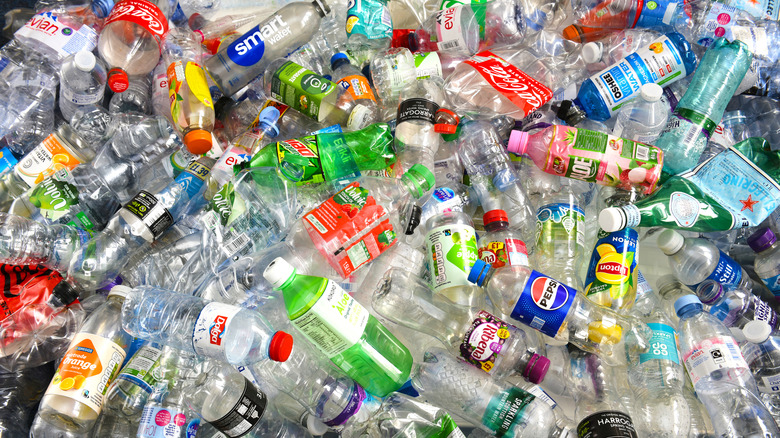
Most people are familiar with the plastic waste crisis, probably through images of crabs using plastic for shells, or the trash overflowing in landfills and waterways. Though unsightly and certainly destructive to the environment and animals, there is an even smaller plastic threat that might be even more insidious. Because plastic is never really, truly destroyed and simply gets broken down into smaller and smaller pieces, those pieces spread around the world. Tiny fragments called microplastics have been found high in the mountains and deep in the ocean. Even smaller fragments, referred to as nanoplastics, have now been uncovered inside the human body.
A major reason that nanoplastics are such a concern for human health is because they are next to impossible to see. They are smaller than human hair, and it is not fully understood how widespread they are within humans nor how their presence impacts our bodies. However, a team of researchers from Germany and Australia have developed a method to detect nanoplastics. This process could revolutionize the way we study and understand how nanoplastics impact us.
And this revelation couldn’t have come at a better time, because the plastic waste crisis doesn’t seem to be ending. According to data from OECD, the amount of plastic produced around the world rose from 258 million tons in 2000 to 507 million tons in 2019. That amount is expected to triple to 1,356 million tons by 2060. So now more than ever, this new research tool is essential to understand the plastic threat.
The tool to see nanoplastics
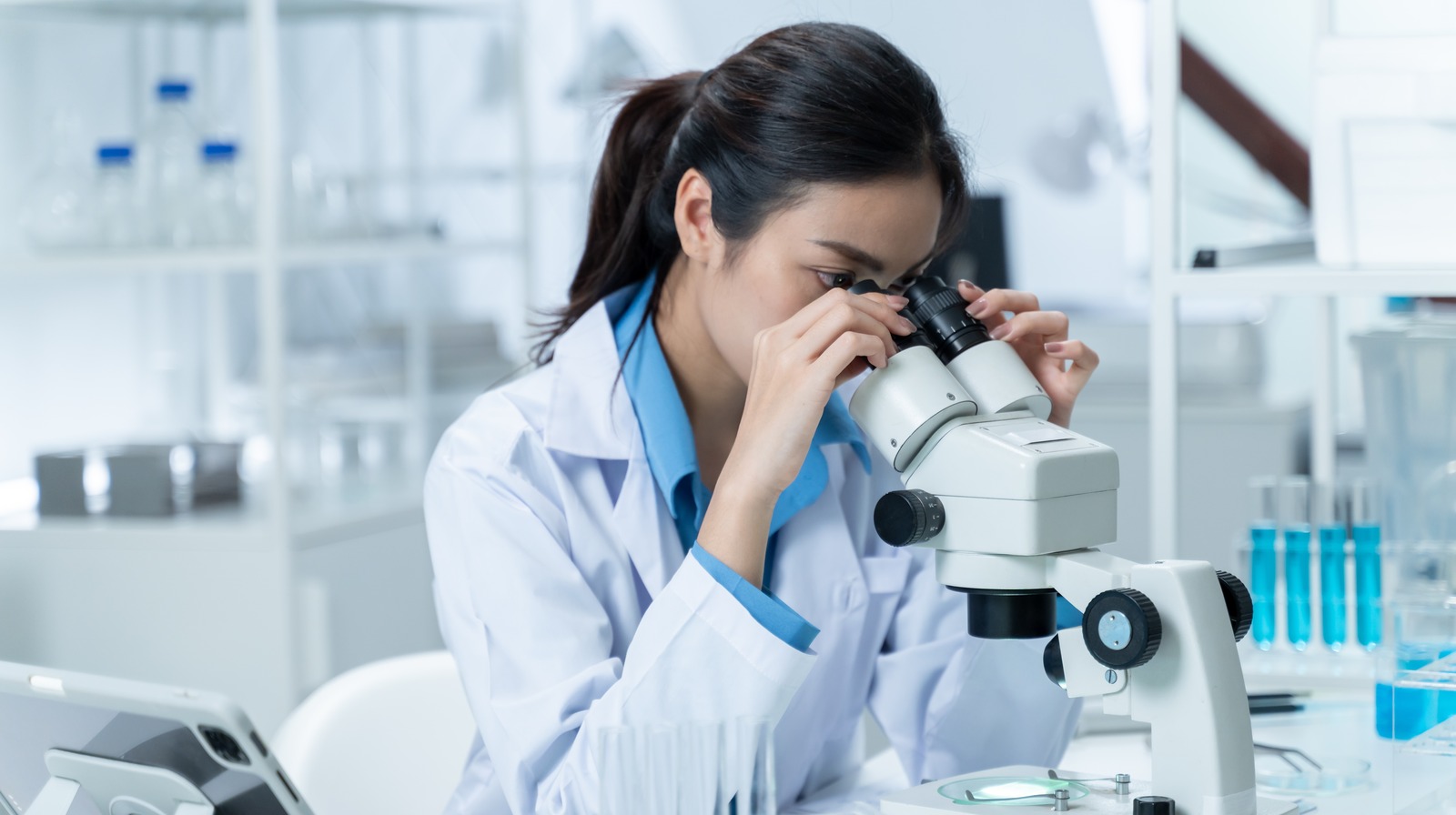
The results of the study actually sound quite simple: The researchers created a test strip that will change color to make nanoplastics visible. It works by using resonance effects in small holes which then interact with light. In other words, if one of the nanoplastic particles falls into a hole on the test strip, its color will change. Still, those changes can only be seen with a very powerful microscope. With the help of this specialized test strip, though, researchers are now able not only to identify the presence of nanoplastics, but also to be able to count their numbers and determine their individual sizes.
Professor Harald Giessen of the University of Stuttgart, one of the study’s researchers, stated to ScienceDaily, “The test strip can serve as a simple analysis tool in environmental and health research … In the near future, we will be working toward analyzing nanoplastic concentrations directly on site. But our new method could also be used to test blood or tissue for nanoplastic particles.”
The researchers see this as a great tool that can be directly used to test soil samples for plastic, or to determine the amount of invisible plastic hiding in the oceans. What’s more, it can all be done in the field as it requires minimal tools and little specialty training. For the future of this test strip, more analysis will be done to determine if it can differentiate between the different types of plastics in the nanoplastic particles found. This could give key information into what is causing the pollution in a particular area.
Why nanoplastics are a threat to human health

There are a variety of ways in which these nanoplastics might be able to enter humans. They could be ingested through contaminated food, such as food that has come from polluted sources, or was contaminated during the manufacturing or packaging process. They could also come from personal products — even ones used for health care and cleanliness purposes. There are concerns about inhalation of nanoplastics in indoor air environments simply from the high presence of plastics in the area.
Scary levels of microplastics have been found in the human brain, but they’ve also been found in multiple other locations of the human body, including the testicles, the placenta, the heart, the stomach, breastmilk, and semen. Shockingly, they’ve also been found in a newborn baby’s first stool. Though research into this is still young, there is concern that plastic in the human body could be linked to immune system problems, cell damage, reproductive issues, cardiovascular disease, and even colon and lung cancer.
However, Desiree LaBeaud, MD, a physician at Stanford Medicine and co-founder of the university’s Plastics and Health Working Group pointed out the challenge of nanoplastic research. She stated to Stanford Medicine News, “Because plastic is so ubiquitous, it’s difficult to have a lot of evidence that’s causal … It’s not like we’re going to have randomized control trials where people aren’t exposed.”