A post on the social media platform Mastodon shows an old tape with the label “UNIX Original from Bell Labs v4 (see manual for format)”. Above this photo is a post from Rob Ricci which says, “While cleaning a storage room, our staff found this tape containing #UNIX v4 from Bell Labs, circa 1973…Apparently no other complete copies are known to exist…We have arranged to deliver it to the Computer History Museum”.
This discovery at the University of Utah is, in fact, quite the historic find. This early version of UNIX is from the 1970s and UNIX innovations from decades ago made current computer operating systems possible. As Ricci’s Mastodon post stated, it is the only one in existence and as such is an artifact of great interest. The history of the computer is considered important to document and understand, especially considering the scientists who have been baffled by ancient computer technology.
Oddly enough, the label on the tape is presumed to be written by Ricci’s university advisor Jay Lepreau who passed away in 2008. Ricci himself is a research professor at the University of Utah’s School of Computing, and has multiple publications to his name. With the tape found, his team went on a journey to see what was on it, and learn how it could be preserved.
Details on the computer tape’s discovery
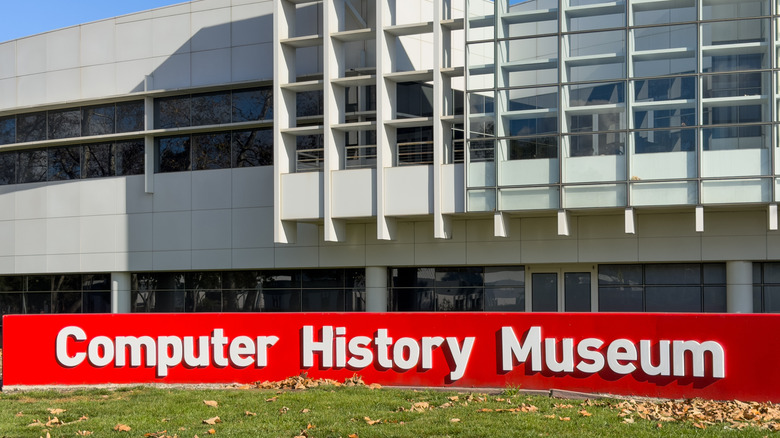
One of the team’s research associates, Jon Duerig, drove the tape from the University of Utah to the Computer History Museum in California. Once there, the museum staff began the process of safely examining the old tape. A lubricant was added to limit friction while reading it, given the tape’s age. Upon doing so, the staff found UNIX v4 source code. What surprised them was that, despite being in storage for decades, there was very little of the tape that was corrupted. Sections that were damaged, the team was able to fix.
A fun surprise was discovering a Bell Labs employee survey on the tape. Bell Labs began in 1925 as a scientific research organization and was later incorporated into Nokia. Bell Labs and this UNIX tape are part of the foundation that built our modern computing systems, including the creation of some common computer terms. With the origin of the tape confirmed and its contents readable, discussion turned to what to do with this once lost computer artifact.
What’s next for this computing artifact

With the tape readable and any corruption fixed, copies were made to preserve the information. Then, the old UNIX v4 was uploaded to the internet. It did not take long before thousands of people had downloaded it. This tape has brought the computing community together as they share what has been learned by playing around with it.
Though the Computer History Museum helped with analyzing the tape, it is not staying there. Duerig returned to the University of Utah with the tape and the intention to put it on display in the university’s new engineering building, once construction is finished. There, the hope is that it will fascinate and inspire future computer professionals as innovations continue to be made in the field.
As for the label on the tape regarding a “manual for format”, Professor Ricci confirmed in his Mastodon post that the manual is online and was not lost. In the future, perhaps others can visit the University of Utah to view this old Unix tape. In the meantime, while taking a trip down computer memory lane, there are old websites from the 1990s you can still visit, honoring all that is past and present in modern computers.