By using this site, you agree to the Privacy Policy and Terms of Use.
Accept
World of SoftwareWorld of SoftwareWorld of Software
  • News
  • Software
  • Mobile
  • Computing
  • Gaming
  • Videos
  • More
    • Gadget
    • Web Stories
    • Trending
    • Press Release
Search
  • Privacy
  • Terms
  • Advertise
  • Contact
Copyright © All Rights Reserved. World of Software.
Reading: This Terrifying Gadget Infects Your Computer From Any USB Port – Here’s How – BGR
Share
Sign In
Notification Show More
Font ResizerAa
World of SoftwareWorld of Software
Font ResizerAa
  • Software
  • Mobile
  • Computing
  • Gadget
  • Gaming
  • Videos
Search
  • News
  • Software
  • Mobile
  • Computing
  • Gaming
  • Videos
  • More
    • Gadget
    • Web Stories
    • Trending
    • Press Release
Have an existing account? Sign In
Follow US
  • Privacy
  • Terms
  • Advertise
  • Contact
Copyright © All Rights Reserved. World of Software.
World of Software > News > This Terrifying Gadget Infects Your Computer From Any USB Port – Here’s How – BGR
News

This Terrifying Gadget Infects Your Computer From Any USB Port – Here’s How – BGR

News Room
Last updated: 2026/02/01 at 2:47 PM
News Room Published 1 February 2026
Share
This Terrifying Gadget Infects Your Computer From Any USB Port – Here’s How – BGR
SHARE


Aliaksander Pakhuchy/Shutterstock

Cybersecurity is often described as a cat-and-mouse game between defenders and attackers. Defenders work on protecting systems by patching vulnerabilities through research and development, while attackers use sophisticated tools to breach those defenses, sometimes via AI-driven methods like vibe coding or vibe hacking. One tactic that defenders and researchers use to learn more about the attacking side is called penetration testing. They willfully hack into systems, breach controls, or follow principles the attackers would use to discover new ways to create defenses. More specifically, they look for vulnerabilities that might appear and other concerns that might weaken security systems. That’s precisely the idea behind a frighteningly effective device called the Diabolic Parasite.

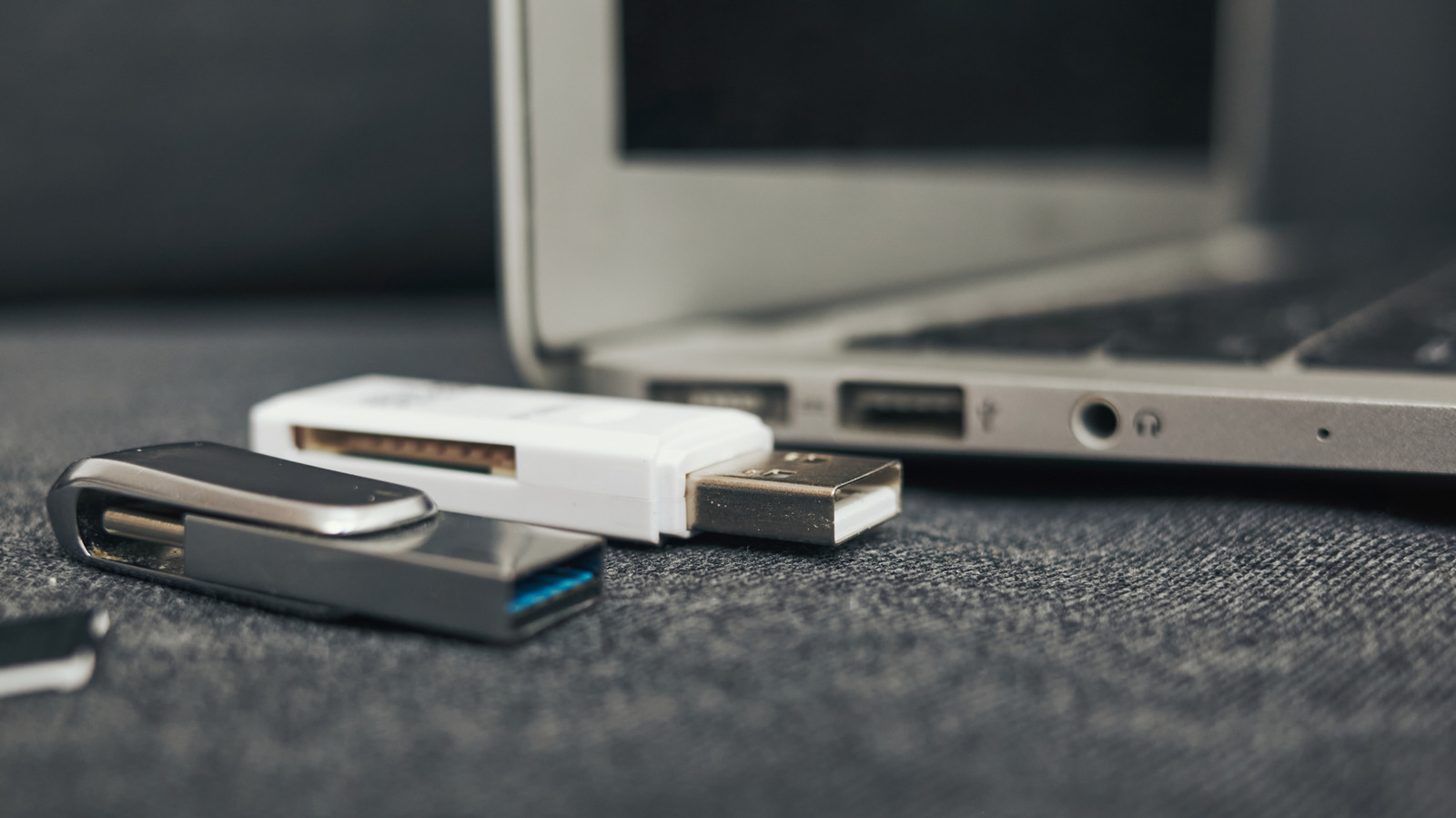
Rightfully labeled a parasite, the small USB device works as a bridge intercepting connections between a peripheral and a PC. It supports keystroke injection, keylogging, wireless access, and uses highly advanced measures to avoid detection. You first plug an HID device like a keyboard or mouse into the female USB port on the parasite, then plug the other side into an open USB slot on the PC. The parasite clones the connected peripheral’s hardware identity to look like a trusted device, becoming virtually invisible to the host system and security tools.

Built for hands-on security testing, it can wirelessly deliver a payload to help simulate threats, or even test attacks against physical systems. As scary as it sounds, this one is for the good guys — the white-hat hackers — but it does indicate that nefarious parties could either build something similar or have something comparable already. It has to be physically plugged in by someone, but one of the most common mistakes people make with USB flash drives is connecting untrusted devices to their PC.

How does it remain invisible and stealthy?

When it’s plugged into a system, between an HID peripheral and the computer, it moves all data through a hardware-based HID channel, which is the very same data channel used for gaming mice, RGB peripherals, firmware updaters, and other USB hardware. Security tools effectively ignore this channel when scanning, since treating it as suspicious would trigger false alerts from nearly every peripheral in use. Moreover, the tool allows attackers to use a software shell, called Diabolic Shell, through this channel to issue commands, log data, and essentially spy on users.

Unit 72784, the team behind the device, says it can mimic the exact USB identity details of the input device you plug it into — PID, VID, manufacturer strings, and more. The host system sees it as a fully trusted device, so it never prompts users to install new drivers and doesn’t alert security tools, even those that monitor for new USB devices. During keystroke injection, it even mimics the natural cadence of humans typing on a keyboard. That prevents it from being flagged by behavioral detection systems as well.

Commands can execute without logs, files can be exfiltrated or moved off the PC without network traces, and all traffic is indistinguishable from regular USB device behaviors. The goal, of course, is to provide a hands-on platform and useful tool for exploring advanced attack techniques that are able to remain under the radar. It simulates a real-world scenario. A highly sophisticated real-world attack scenario, mind you, but something that’s clearly possible. It’s not exactly a USB kill stick, like those used for pentesting, but it is still dangerously effective.



Sign Up For Daily Newsletter

Be keep up! Get the latest breaking news delivered straight to your inbox.
By signing up, you agree to our Terms of Use and acknowledge the data practices in our Privacy Policy. You may unsubscribe at any time.
Share This Article
Facebook Twitter Email Print
Share
What do you think?
Love0
Sad0
Happy0
Sleepy0
Angry0
Dead0
Wink0
Previous Article How the left can win back the internet – and rise again | Robert Topinka How the left can win back the internet – and rise again | Robert Topinka
Next Article The Dark Side of the AI Boom: Silicon Valley Embraces China’s Brutal Work Trend The Dark Side of the AI Boom: Silicon Valley Embraces China’s Brutal Work Trend
Leave a comment

Leave a Reply Cancel reply

Your email address will not be published. Required fields are marked *

Stay Connected

248.1k Like
69.1k Follow
134k Pin
54.3k Follow

Latest News

My Current Netflix Food Show Obsession Is Like a Fever Dream Spin-Off of 'The Bear'
News
Nvidia CEO: We’ll Make Our ‘Largest Ever Investment’ in OpenAI
News
Expect more upsells and subscription bundles from Apple, Creator Studio was just the start – 9to5Mac
News
OLED Vs. IPS Panels: What’s The Difference? – BGR
News

You Might also Like

My Current Netflix Food Show Obsession Is Like a Fever Dream Spin-Off of 'The Bear'
News

My Current Netflix Food Show Obsession Is Like a Fever Dream Spin-Off of 'The Bear'

7 Min Read
Nvidia CEO: We’ll Make Our ‘Largest Ever Investment’ in OpenAI
News

Nvidia CEO: We’ll Make Our ‘Largest Ever Investment’ in OpenAI

5 Min Read
Expect more upsells and subscription bundles from Apple, Creator Studio was just the start – 9to5Mac
News

Expect more upsells and subscription bundles from Apple, Creator Studio was just the start – 9to5Mac

2 Min Read
OLED Vs. IPS Panels: What’s The Difference? – BGR
News

OLED Vs. IPS Panels: What’s The Difference? – BGR

6 Min Read
//

World of Software is your one-stop website for the latest tech news and updates, follow us now to get the news that matters to you.

Quick Link

  • Privacy Policy
  • Terms of use
  • Advertise
  • Contact

Topics

  • Computing
  • Software
  • Press Release
  • Trending

Sign Up for Our Newsletter

Subscribe to our newsletter to get our newest articles instantly!

World of SoftwareWorld of Software
Follow US
Copyright © All Rights Reserved. World of Software.
Welcome Back!

Sign in to your account

Lost your password?