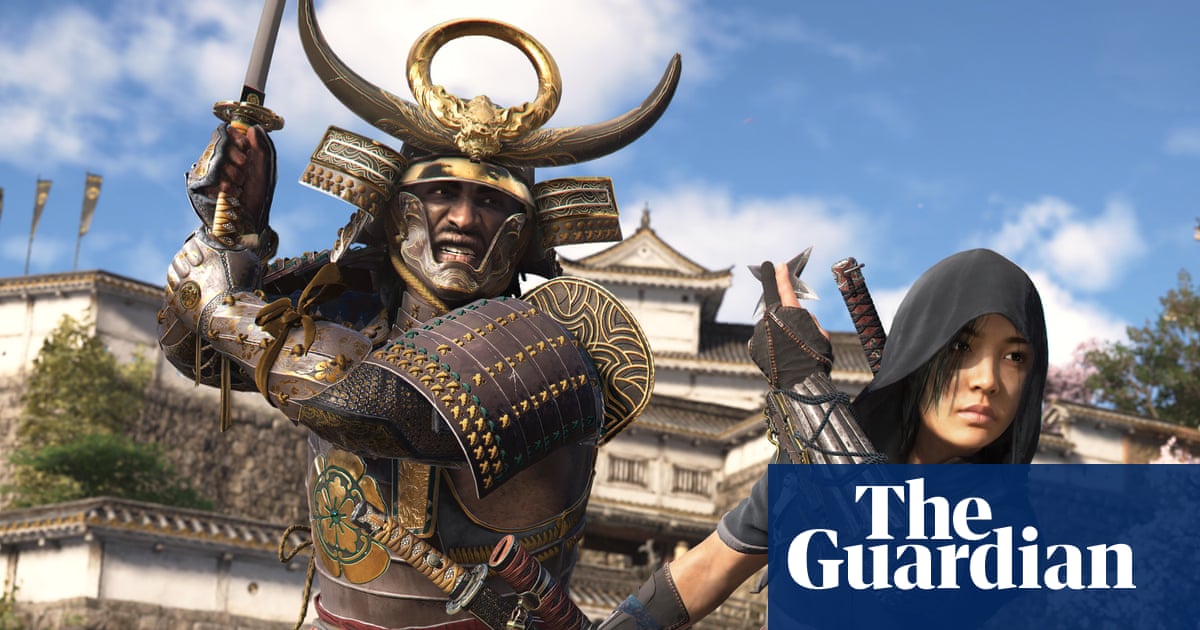
The video game publisher behind the Assassin’s Creed series has cancelled six projects including a remake of Prince of Persia: The Sands of Time as it fights to stay competitive in the global gaming market.
Ubisoft announced a sweeping reorganisation and said it would cancel six games, sending its shares to their lowest level in more than a decade on Thursday.
Ubisoft is abandoning development of six titles, including a highly anticipated remake of Prince of Persia – a series that dates back to 1989 and received an ill-fated Hollywood adaptation in 2010 – and delaying a further seven. Studios in Halifax, Canada and Stockholm are being closed, with restructuring to follow in other countries, it said.
After the announcement, Ubisoft’s shares fell by a third to their lowest level since 2011 on Thursday, valuing the company at €590m (£514m) compared with a peak of more than €10bn in the previous decade. The Paris-based company said it planned to split its operations into five creative divisions organised by genre, part of a broader attempt to sharpen focus and rein in costs after years of disappointing releases and weak results.
The company said the restructuring was driven by the competitive market for AAA games, the term for big-budget, high-profile titles such as Grand Theft Auto.
“The triple-A industry has become persistently more selective and competitive with rising development costs and greater challenges in creating brands,” said Ubisoft’s founder and chief executive, Yves Guillemot.
However, Guillemot added that successful triple-A games have “more financial potential than ever”.
Ubisoft also blamed an “increasingly competitive market” for shooters, a key genre for the industry.
Laurent Michaud, a gaming industry economist, said action adventure titles such as Prince of Persia were out of step with a market dominated currently by shooters like Fortnite and Call of Duty, cooperative adventure titles such as Peak and sports titles and multiplayer games such as those available on the Roblox platform.
“The expectations of gamers are quite different to where they were 10 years ago. That’s why it’s difficult to keep in touch with an audience that has changed so much over the years.”
He added: “Ubisoft is still one of the most popular content providers in the video games industry. It has developed one of the best IP slates in the industry but even if the games are really good, it is not enough. It has to meet people’s expectations and tastes.”
The latest overhaul follows several difficult years marked by game delays, cancellations and weak execution, which have eroded investor confidence and strained the group’s finances. In November 2025, Ubisoft postponed the publication of its half-year results at the last minute, triggering a week-long suspension of trading in its shares and bonds. The company later said an accounting change had revealed a breach of the terms for its debt.