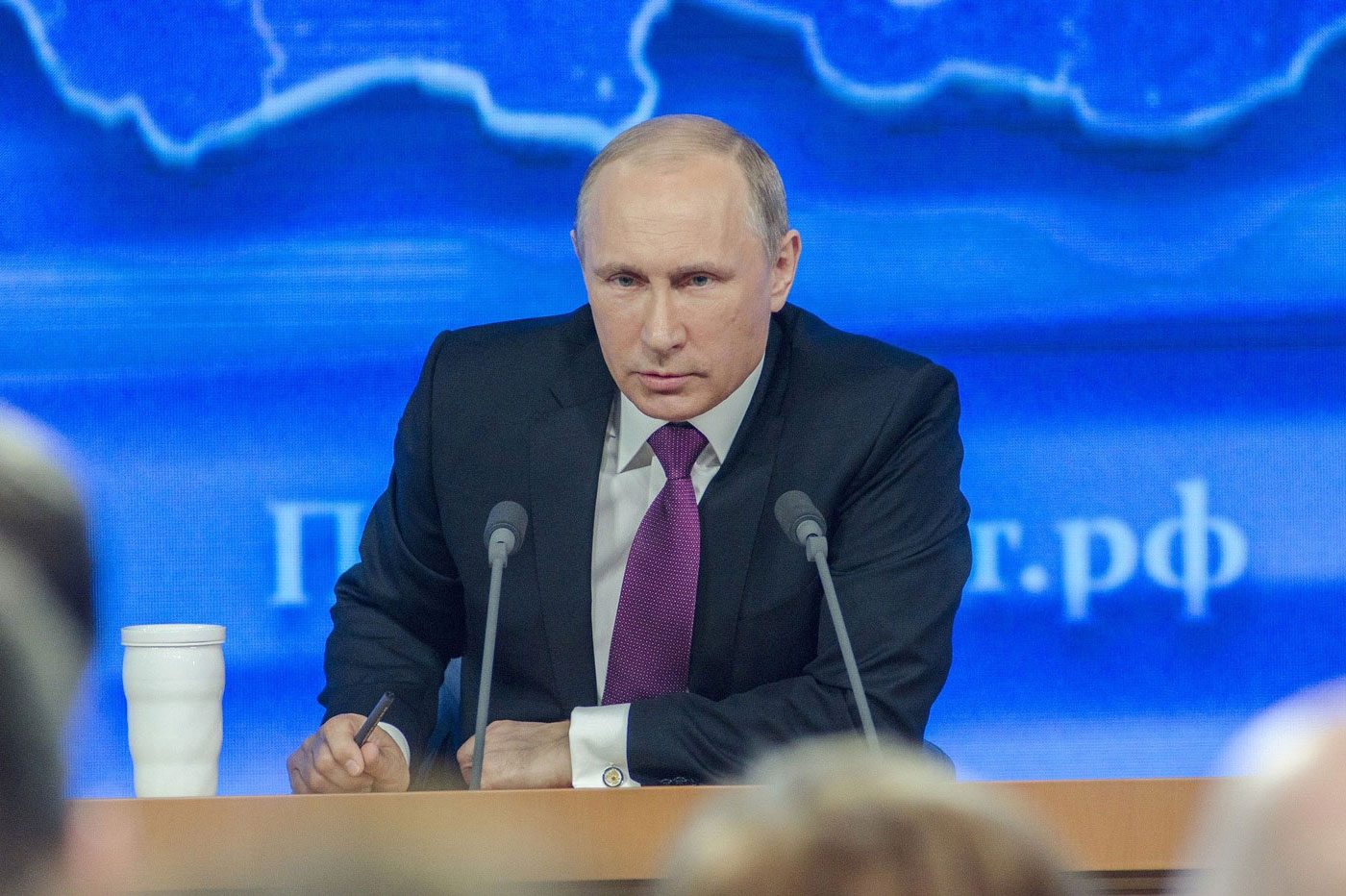
Vladimir Putin’s speech at the AI Journey forum in Moscow last November leaves little room for doubt. For the Russian president, the major Western language models are not just technological tools: they are instruments capable of “ shape the opinions of entire nations “. A threat, according to him, which justifies a clear break with foreign solutions.
Cut Russia off from the rest of the world
The Kremlin’s response is to develop strictly national AI models, supervised by a task force led from the top of the state. Officially, it is a question of preserving the “ technological sovereignty and values “. In fact, this rhetoric poorly masks a desire for digital isolation.
The message sent to administrations and large companies is unambiguous: AI must be adopted massively, but only if it is designed in Russia and complies with the regime’s guidelines. Foreign systems are considered unacceptable, particularly for uses related to national security, on the grounds that sensitive data could “leak” outside the country.
This logic is strongly reminiscent of that at work in China, where AI is thought of as an extension of the state apparatus, with the filtering of information, the ideological alignment of responses and the diffuse surveillance of the population. In Russia, the project appears to be following the same trajectory, with models designed to reflect a worldview compatible with the Kremlin’s official narrative.
On the industrial level, Moscow relies on two pillars: Sberbank, with its Gigachat model, and Yandex, at the origin of Yandex GPT. Sberbank took advantage of the forum to present a new version of Gigachat and a series of spectacular demonstrations: humanoid robots, vending machines capable of analyzing health parameters, and even automated medical tools.
But behind the staging, the limits are visible. The highly publicized fall of a humanoid robot during a recent event, under the eyes of Vladimir Putin, was a reminder that the gap remains immense with the world leaders in the sector. Above all, Russian ambitions come up against a serious obstacle: Western sanctions. By restricting access to advanced chips and cutting-edge computing hardware, they directly hinder the country’s ability to train and deploy competitive models at scale.
The Kremlin, however, displays disproportionate economic objectives. By 2030, AI is expected to generate more than 11,000 billion rubles in contribution to GDP (around 115 billion euros). To achieve this, Vladimir Putin is pushing for the accelerated construction of data centers and the securing of their electricity supply, even mentioning the use of small dedicated nuclear power plants.
🟣 To not miss any news on the WorldOfSoftware, follow us on Google and on our WhatsApp channel. And if you love us, .