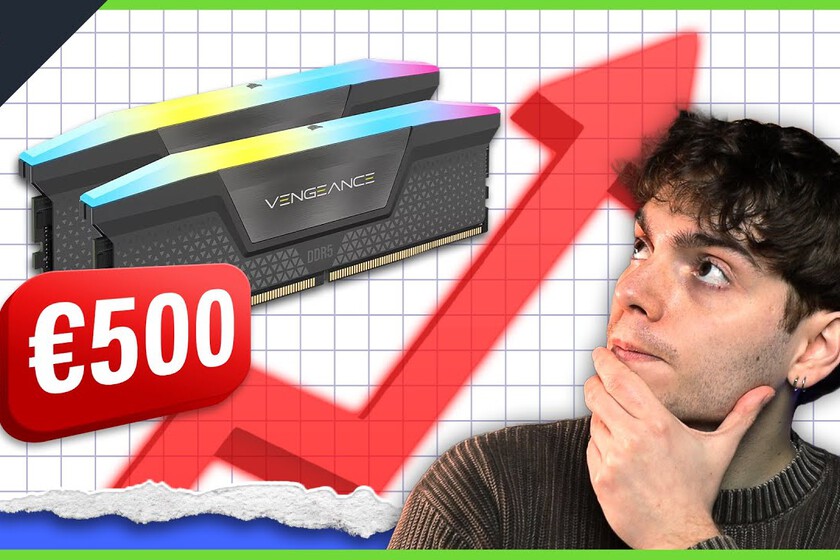
From time to time, the technology sector enters a phase of turbulence that breaks the apparent normality of the market and forces us to take a closer look at how the supply chain, industrial priorities and the balances between supply and demand. The most recent example that many remember is that of cryptocurrency mining, which for years stressed the graphics card market to the point of turning them into a scarce and prohibitively expensive good for many gamers.
Now the focus has shifted to another key component: RAM. The increase in the cost of the modules begins to be clearly noticed and, as usually happens in these cases, the inevitable questions arise. What exactly is happening, where does this problem come from and if there are signs that allow us to think about relief in the short or medium term. To try to respond to all this, we have published a new video on the WorldOfSoftware YouTube channel in which our colleague Francisco Franconi explains this scenario calmly and in context, trying to explain what is behind a crisis that cannot be understood just by looking at the final prices.
The piece is integrated into the set of content that we regularly publish on the channel, with formats such as 24/7, the series Domotize or die in the attempt, Science and Apart and reports that explore technology from very diverse angles.
We are in a RAM memory crisis, now what?
The starting point of the video is a broader photograph of the moment that the technology industry is experiencing. Francisco introduces the topic with a piece of information that helps to understand the background of the problem: “It is evident that 2025 was the year of AI. Projects like Stargate, which aims to invest 500 billion dollars for the development of artificial intelligence in the United States, are an example of the economic interest that exists around this technology.”
From there, the question arises almost naturally: what relationship does this rise in artificial intelligence have with RAM? The video explains how data centers, the backbone of this new technological wave, depend on three essential components, and RAM is one of them. Analyzing the role played by the rest of the pieces not only helps to understand the current crisis, but also opens the door to thinking about whether we could be facing similar tensions in other components in the not-so-distant future.
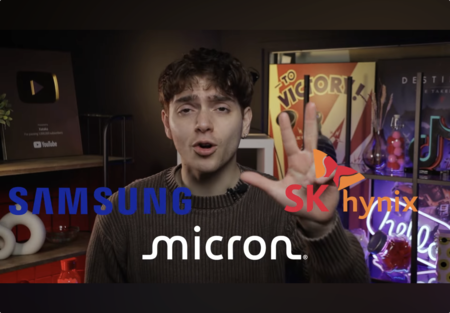
Francisco goes one step further and dismantles an idea that is often taken for granted. “High demand for components alone does not trigger prices“, he points out, before delving into the specific factors that are turning the current artificial intelligence boom into a real headache for the RAM memory market. This analysis also includes some of the large companies that are decisively influencing this movement, helping to understand why the problem is neither specific nor easy to solve.
The video also reserves space for a more technical explanation, addressing the different types of RAM and the differences that are key to understanding this crisis. This technical context allows us to connect two worlds that often seem separate: that of large language models and that of users who want to assemble a PC in pieces and find that this technological ambition ends up having a direct impact on their pocket.

In the final section, Francisco puts on the table the question that many are asking: how long can this situation last. “Some estimate that Price increases will be constant for the next 6 months, others talk about increases until 2027,” he explains, before closing with a series of reflections that help set expectations and understand what to expect from the market in the coming years. We invite you to watch the full video on our YouTube channel and share your opinion both there and in this article.
Images | WorldOfSoftware
In WorldOfSoftware | In the midst of the RAM memory crisis, Samsung takes a leap with its HBM4 memory. It does not imply good news for the pocket