A totalitarian world, chaos and a heroine who will upset the established order, this is the recipe for adolescent dystopias that flourished on the big screen in the 2010s. At that time, classic sagas Hunger Games were numerous and all had one thing in common: being adapted from best-sellers in the Children’s section. These new forms of narration, which were intended to mirror the transition to adulthood, all aimed to establish themselves lastingly in the panorama of the 7th art and to compete with the benchmark in terms of entertainment for adolescents: Harry Potter. Nearly ten years later, it is clear that the little wizard with glasses is not fallen.
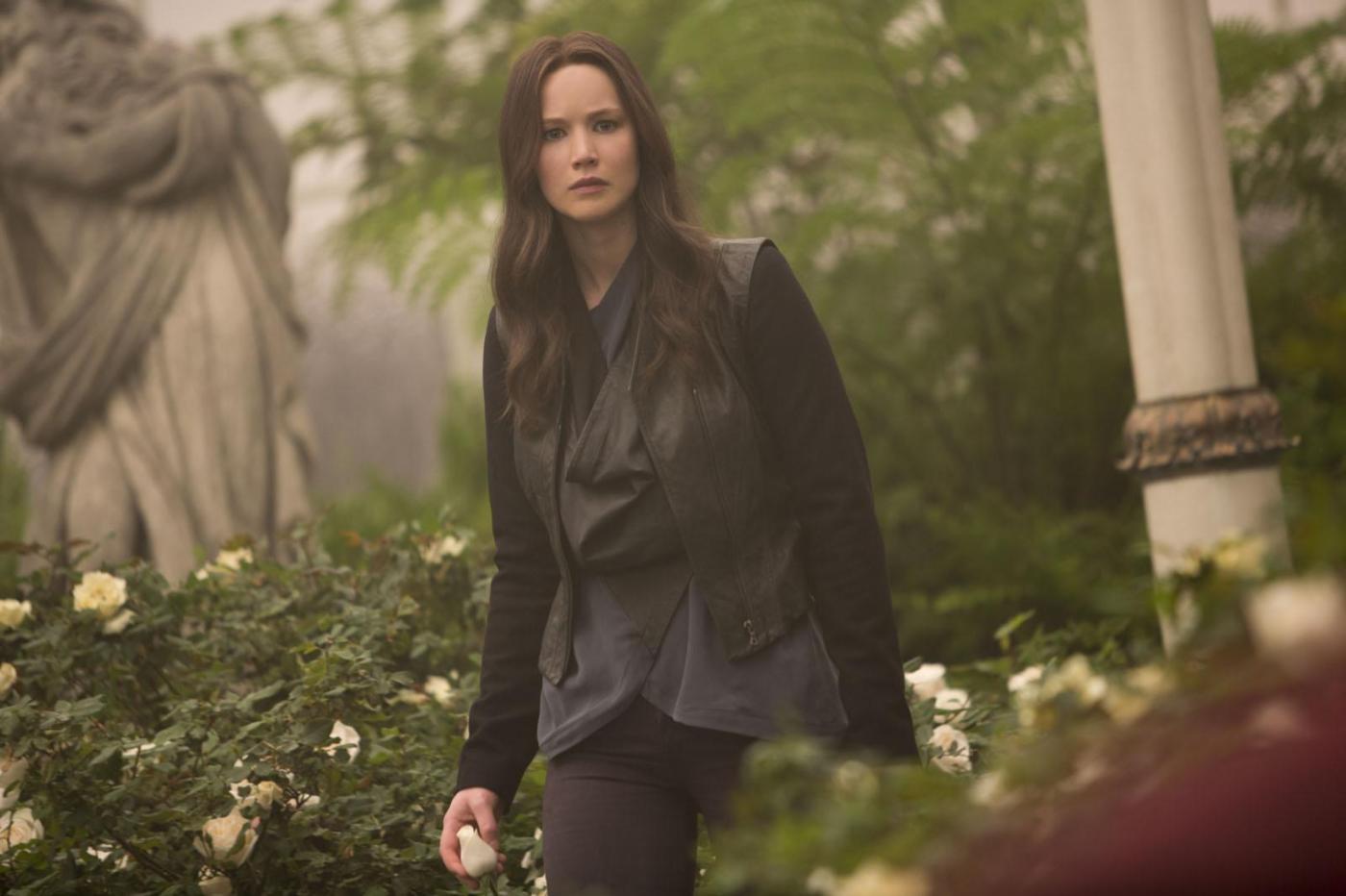
An emblematic figure of this movement, The Hunger Games still proudly sits among the biggest box office hits. With more than 865 million dollars at the box office for the second opus, the saga paved the way for many other productions of the genre. But if the adventures of the character played by Jennifer Lawrence were able to find their audience, this observation does not apply to all feature films of the genre. We remember in particular Divergentwith Shailene Woodley and Theo James, which was cut off in its tracks and which was ultimately not entitled to its conclusion on the big screen.
With timid success for its first two opuses, which still boosted the sales of the novels of its author Veronica Roth, the saga faced a wall for its third film. While the recipes for Divergent 2 peaked at $297.3 million, Beyond the wall had only grossed $179.9 million for Summit Entertainment and Lionsgate. If a TV film was then considered, the production company had to give up after its actors refused to play for the small screen. Left without a conclusion, the saga is not the only one to have had difficulty continuing its rise in the box office. The Giveradapted from the eponymous novel by Lois Lowry, with a budget of 25 million, only earned 67 million dollars at the box office. The sequel, adapted from the second novel in the trilogy, never saw the light of day.
A new Hunger, good or bad idea?
Hollywood, in its desire to find new lucrative sagas, plans to scrape the bottom line and offer the universe imagined by Suzanne Collins a new foray onto the big screen. Adapted from the author’s latest novel, Sunrise over the harvestthis feature film should take place 24 before the events of the first film and will follow young Haymitch Abernathy as he prepares to participate in the 50th Hunger Games, also called “the games of atonement”.
Following an unfortunate combination of circumstances, he found himself in one of the deadliest and bloodiest editions in history. But his mission could well be more important than simply surviving… At the helm, we will find the director of the last four opuses: Francis Lawrence. Here he moves forward with one of the most interesting stories in the saga, namely the one that has been hidden from viewers and readers. While Haymitch’s edition is mentioned numerous times, it was largely manipulated by the Capitol.
The Ballad of the Serpent and the Mockingbird is far from having met its financial objectives. The film ended its run with some $347 million at the worldwide box office. For comparison, The Hunger Games: The Revolt (part 2) made twice as much in 2015. However, its results were already disappointing on the scale of a franchise which regularly touched 800 million. But then what happened? Why did Lionsgate embark on the production of another adaptation? The Ballad of the Serpent and the Mockingbird was hit hard by a clear slowdown in the global box office as well as public neglect. The critics having been rather enthusiastic (an average of 64% for the press of the Rotten Tomatoes and 89% for the public), Lionsgate is giving itself another chance. It remains to be seen whether the public will be there…
🟣 To not miss any news on the WorldOfSoftware, subscribe on Google News and on our WhatsApp. And if you love us, .