
Product decisions are often discussed as if they exist in a vacuum. Build the right features, optimise engagement, scale what works. In practice, those decisions are heavily shaped by context — especially in emerging markets.
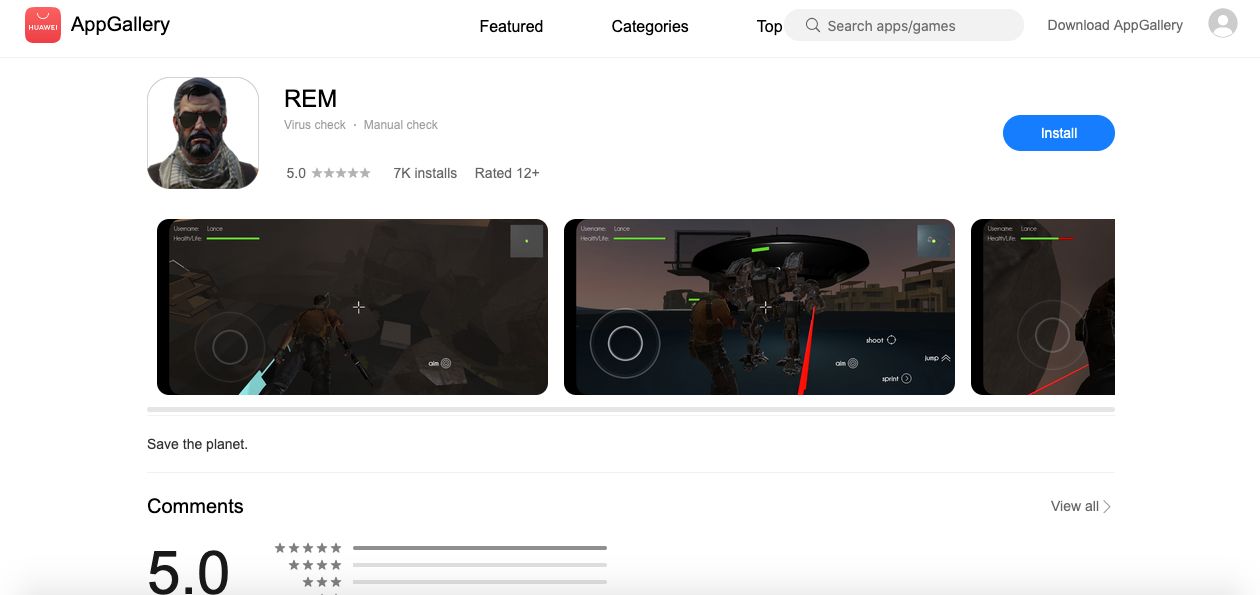
Shipping REM (Rapid Eye Movement), a live mobile game released to players in an emerging market, challenged many assumptions I had absorbed from mainstream game development and startup discourse. The biggest lesson was simple: good product decisions come from real constraints, not best practices.
Context: Shipping a Real Game, Not a Prototype
REM was not a demo or experimental prototype. It was a publicly released mobile game with real users, real feedback, and real limitations.
From the start, the target market shaped every decision. Many players used low- to mid-range Android devices with limited storage and memory. Internet access was inconsistent and often expensive. These factors directly affected how players downloaded updates, how long they played, and how often they returned.
This meant performance, accessibility, and clarity were not optimisations — they were requirements.
Decision 1: Performance Over Visual Complexity
One of the earliest decisions was to prioritise smooth performance over visual detail. Complex effects and heavy assets can look impressive, but they quickly break down on lower-end devices.
In REM, every visual element had to justify its cost. If a feature caused frame drops or increased load times, it was simplified or removed. The effect was immediate: the game felt responsive across a wider range of devices.
Cause – effect: Lower device requirements – smoother gameplay – fewer early drop-offs.
Decision 2: Short Sessions Over Deep Loops
Many mobile games are designed around long sessions and layered mechanics. Player behaviour in this market told a different story.
Most users preferred short, repeatable sessions. Playtime often happened in brief gaps — between tasks, during limited connectivity, or when data was available. Long tutorials and complex progression systems became friction points.
REM was adjusted to make the core loop understandable within minutes, with fast feedback and clear goals.
Cause – effect: Shorter sessions – easier re-entry – higher repeat engagement.
Decision 3: Ads Over In-App Purchases
Monetisation assumptions also had to change. In-app purchases were used less frequently than expected. Ads, when implemented carefully, were more widely accepted.
This required restraint. Ads were designed not to interrupt gameplay or force long waits. The focus was on maintaining trust rather than maximising short-term revenue.
Cause – effect: Respectful monetisation – reduced frustration – more sustainable engagement.
When Assumptions Didn’t Hold
Some early ideas simply didn’t work. Features that seemed important during development saw little use after release. Others that felt too simple became central to how players interacted with the game.
Download numbers provided visibility but revealed very little about success. Retention, repeat sessions, and player feedback proved far more useful. Behaviour, not intention, showed whether the product was aligned.
This reinforced a key principle: product–market fit is discovered, not planned.
Iteration as a Product Skill
Iteration on REM was not about adding features. It was about removing friction.
Some mechanics were simplified. Certain ideas were dropped entirely. Updates prioritised stability, clarity, and performance over novelty. These decisions required choosing what not to build — often the hardest part of product work.
Iteration became a discipline of focus rather than expansion.
Rethinking What Metrics Matter
Working on REM changed how I evaluate success. High download counts mattered less than consistent engagement. Session frequency was more useful than session length. Player feedback often explained patterns that analytics alone could not.
In markets where users quickly abandon apps that feel slow or inefficient, respecting their limits builds trust. When a product fits naturally into a user’s reality, engagement tends to last longer.
Product–market fit, in this context, was not a single milestone. It was an ongoing adjustment.
Why This Matters Beyond One Game
The lessons from REM extend beyond mobile gaming. As emerging markets contribute more to global digital growth, products built for limited devices, unreliable internet, and real user habits will increasingly influence how successful products are designed everywhere.
Developers and founders who understand these conditions are better positioned to build products that scale across multiple markets, not just one.
Closing Thought
Shipping REM reinforced a simple principle: strong products are not defined by where they are built, but by how well they align with the realities of the people who use them.
For builders working in emerging markets, constraints are not obstacles to work around — they are the signal that guides better product decisions.