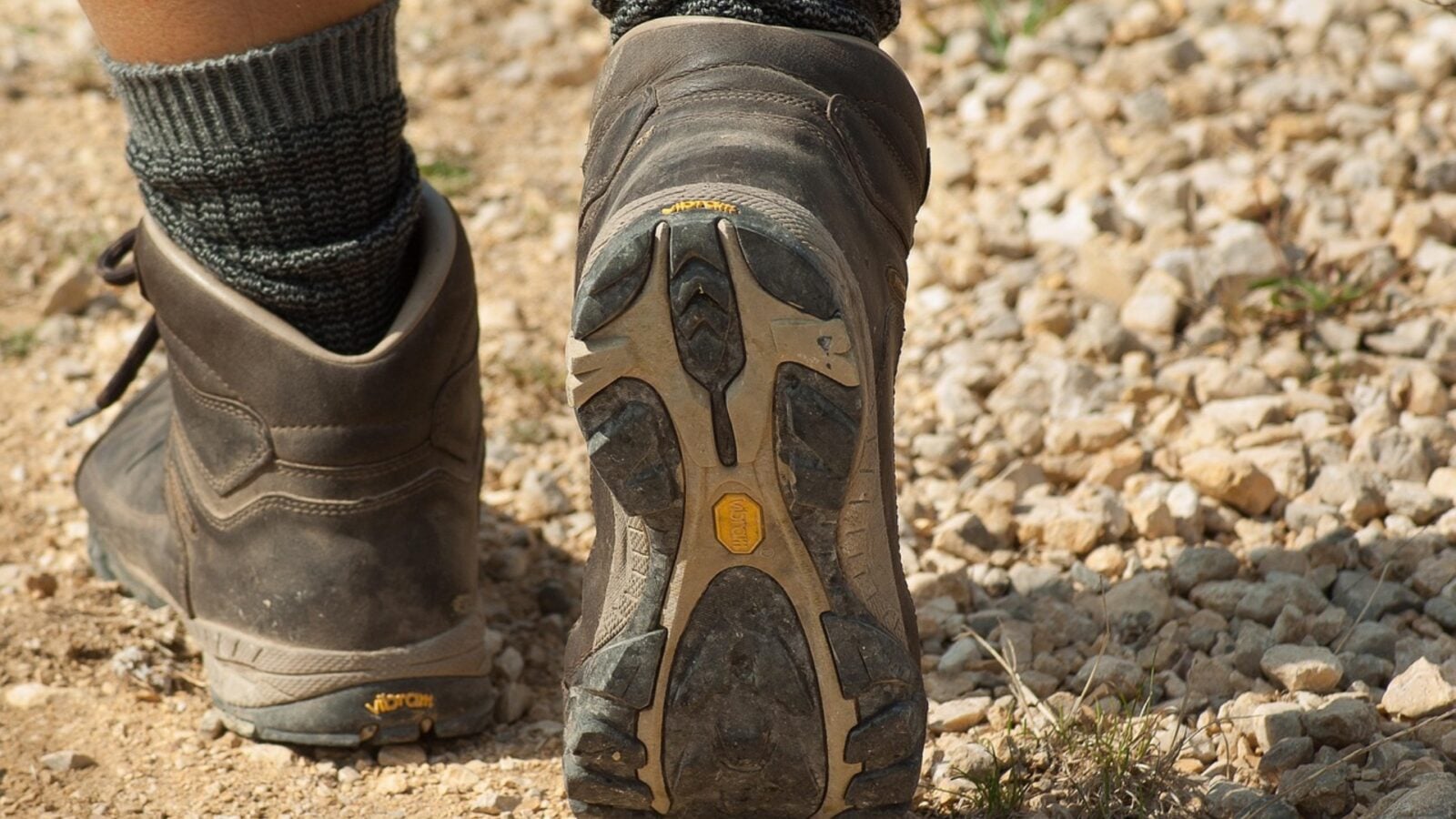
Gone are the days of paper cards slipped into the bag. Instead, a request to an AI, and there’s a ready-made route. Simple, quick, effective, at least in appearance. In the Cévennes, this practice is starting to be seen on the trails. The National Park also took the floor a few days ago to remind you of some basics. On his Facebook page, he directly appeals to visitors: “ Why it’s not a good idea to ask ChatGPT to plan your hike in the Park ».
AI does not walk the paths
Because behind these “optimized” courses, the reality is often more… sporty. France 3 gives the example of a father and his son who arrived with a program of more than 80 kilometers to cover in two days, linking Florac, Sainte-Énimie, the Causse de l’Hospitalet and Mont Aigoual. An itinerary normally planned for four days.
On the ground, the observation is clear. The park evokes routes “ unrealistic, inconsistent, even dangerous “. The errors are varied: underestimated distances, somewhat optimistic walking times, or even passages which, quite simply, do not exist. The problem, according to the park teams, is quite simple: artificial intelligence compiles information online, without always sorting it. “ Artificial intelligence does not walk on trails », remind the site managers.
As a result, some routes mix data from other regions, or rely on unreliable sources. And sometimes, this results in quite funny situations, or significantly less so. Among the most problematic cases: bivouac suggestions. Adrien Majourel, communications manager for the park, explains that “ what poses the most problems to us are people who want to bivouac in areas that are not authorized “. In the Cévennes, this practice is strictly supervised and limited near certain trails.
The phenomenon is still modest, but it is progressing. Last year, around ten hikers admitted to being trapped. And the park believes that this figure could be underestimated. Similar incidents have also been reported elsewhere, notably in Canada, where walkers found themselves stranded in the mountains after following an automatically generated route.
Another side effect: the circulation of totally fanciful information. Some content attributes non-existent events or activities to the park. “ The AI will look for information that has nothing to do with us “, underlines Adrien Majourel, evoking examples “ who say anything “. Faced with these abuses, the Cévennes National Park is trying to regain control by disseminating reliable information. The park offers more than 240 marked and verified routes, accessible via tourist offices, official platforms or mountain guides.
🟣 To not miss any news on the WorldOfSoftware, follow us on Google and on our WhatsApp channel. And if you love us, .