There is something interesting happening in the television industry right now, and it isn’t the arrival of micro-RGB panel technology that might change how our TV displays look. Instead, it’s in how we control our televisions themselves.
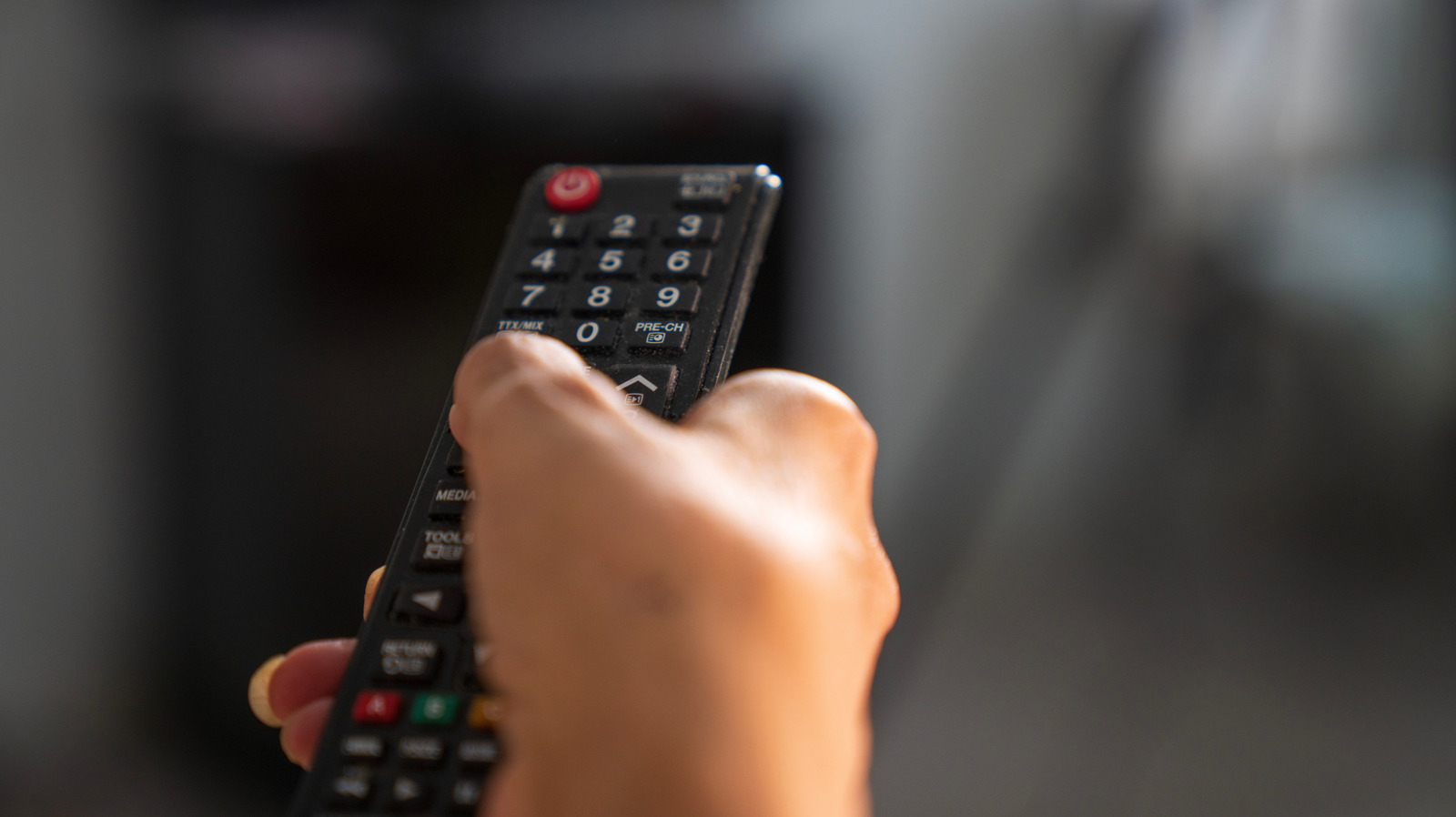
As more technology starts to work together, and we find new ways to bridge the divides between different devices, the need for TV remotes appears to be dwindling significantly. There was a time when you used to have to keep up with the remote for your TV. Otherwise, you’d risk having to plod up to the TV just to turn it on, change the channel, or even set the volume. Now, though, many TVs let you do all that directly from your phone instead.
Many television sets have begun to create their own apps — Roku has one, and Samsung’s SmartThings lets you control multiple devices, including your TV. These apps give you full control of your device directly on your smartphone or tablet. It’s a handy way to ensure you can always get where you need to on your TV. It also makes controlling it far more convenient than always keeping track of the remote. After all, most of us always have our smartphones nearby.
Soon, your voice might be the best remote for your TV

We have seen apps becoming increasingly popular for ways to interact with our TVs and streaming boxes. However, some even argue that we could see a need to control our TVs with our phones or tablets dwindle in the near future, too. That’s because many seem to believe that voice control is the future of how we’ll access our entertainment. This idea, obviously, builds off one we’ve seen in several science fiction movies and shows over the years. Voice command allows the characters within those worlds to use nothing more than their words to turn on lights, bring up news broadcasts, and do other things we do daily.
This isn’t an especially surprising opinion, either, especially as many companies have begun to push their smart home systems onto consumers. Google’s launch of Gemini in Google Home was meant to make the system work together more smoothly while also giving you more control over your devices by simply issuing voice commands to the AI assistant.
Even one of the more popular streaming TV options, Roku, has built-in voice controls as one of its benefits. Of course, many recommend turning some Roku features off for privacy-related reasons. And while those reasons are valid, there’s no arguing that controlling your TV using your voice is useful and easy. As such, it really shouldn’t be surprising that experts in the TV industry have believed for years now that voice-connected devices will become our primary way of controlling our TVs in the future.