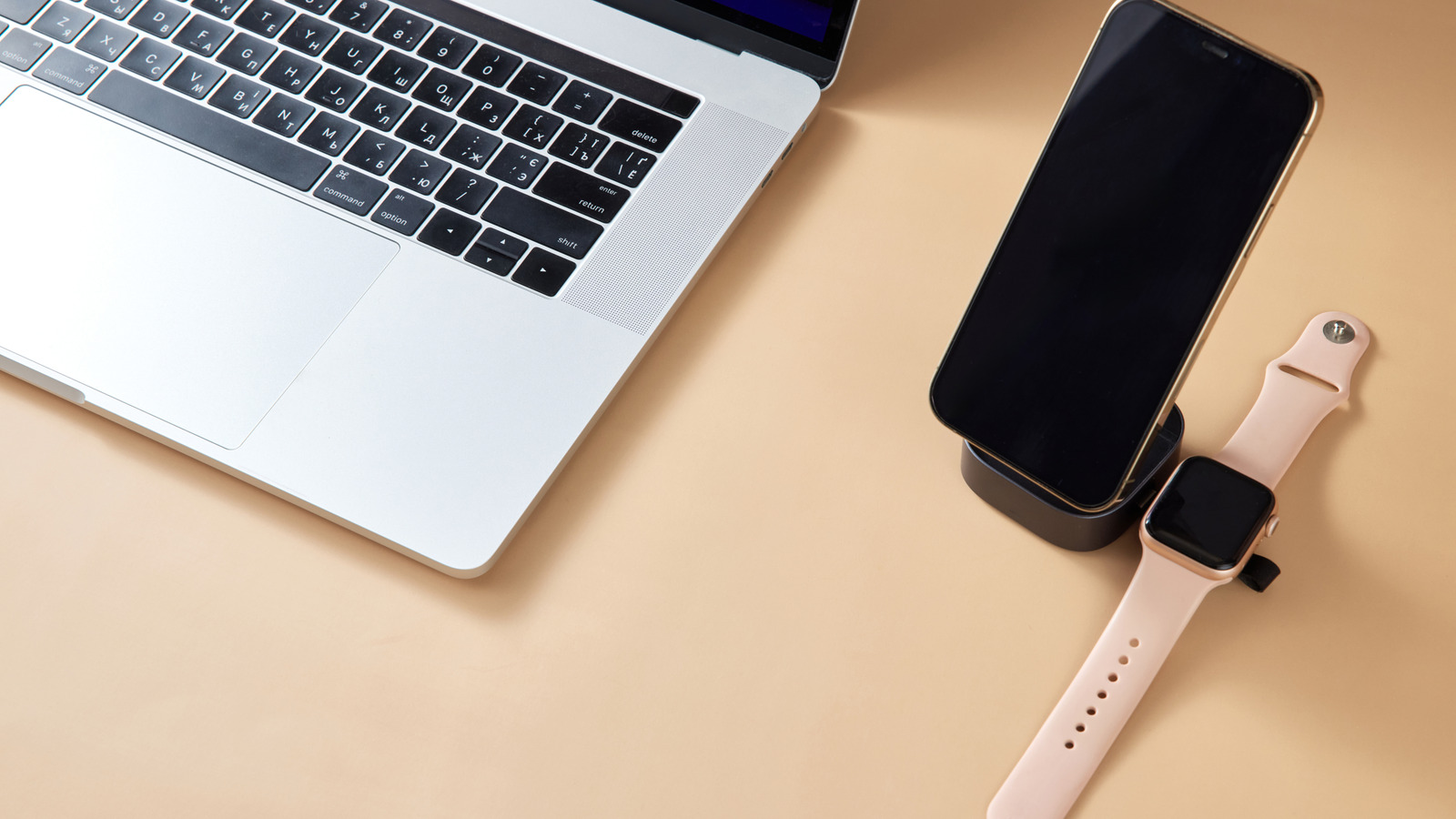
We use so many tech devices day to day — from smartphones to computers, earbuds to smartwatches — that recharging our devices has become routine. You may have a rat’s nest of cables on your desk to recharge everything you need to get through the day. Logically, that makes wireless charging as an alternative sound quite appealing. You can plug in a single multi-charge unit, or a wireless charging pad, and get all your devices boosted in a neat and tidy way. It sounds like a no-brainer.
But wireless charging isn’t for everyone. For powers users, especially, you might find that it simply doesn’t suffice. Even the fastest wireless charging standards, with limited exceptions, are generally slower than basic wired charging options. What’s more, they require a cable anyway (to the base), typically cost more, and have limited compatibility. Plus, you can’t comfortably use your phone for anything but passive tasks — like watching videos or making calls — while it’s charging, even if it’s on a charging stand. Wireless charging is useful for quick top-ups, but for reliable, primary charging, wired is still the way to go.
Wireless charging is typically slower than wired charging
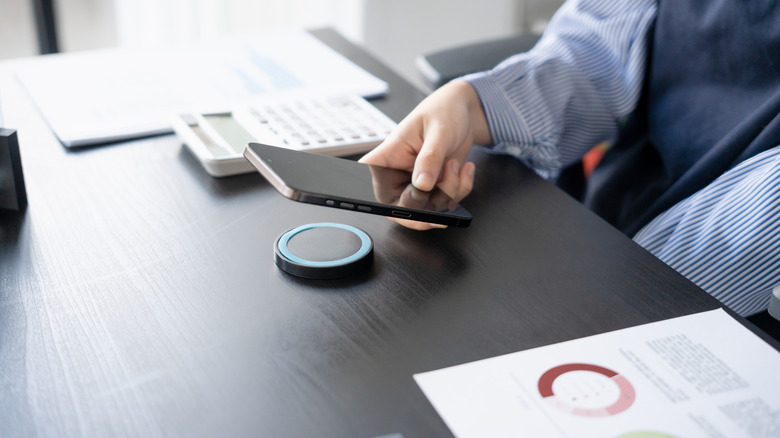
No matter how you slice it, wireless charging is slower. The maximum wireless charging speed is 25W through the new Qi2 standard, based on Apple’s MagSafe technology, although proprietary wireless chargers for OnePlus and Xiaomi currently best this standard. But 25W Qi2 accessories are only just starting to arrive. Further, so far the only phones that can support 25W Qi2 wireless charging are the Google Pixel 10 Pro XL and iPhone 17 series devices (iPhone Air at 20W). What’s more, all Android phones to date with the exception of the Pixel 10 series require a MagSafe case to work with Qi or Qi2 charging. That is, if they are even Qi2-ready, like the Samsung Galaxy S25 series. Those phones support the standard but don’t have the positioning magnets built into the back.
Most Qi2 wireless charging-enabled mobile devices support up to 15W wireless charging, while older Qi-enabled devices tap out at 7.5W. To put this in perspective, a MagSafe charger can get an iPhone 17 to about half battery life in 30 minutes, provided a newly released 30W MagSafe puck is present. With slower or older wireless chargers, the pace of charge is very sluggish by comparison.
Wired charging speeds are on the rise
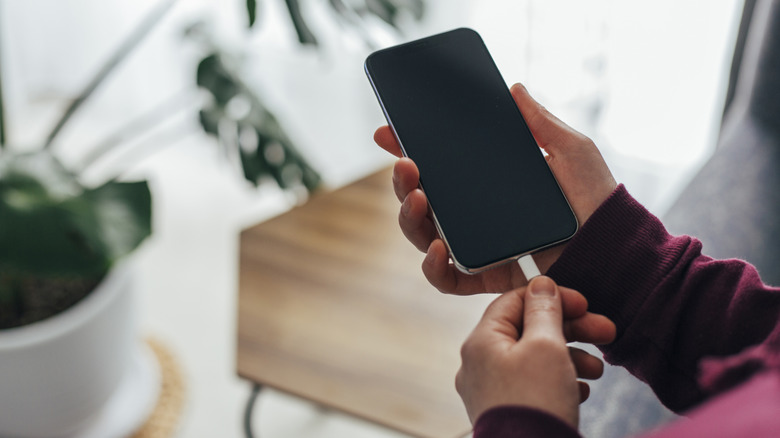
Aside from certain outliers, wired charging will almost always be faster. The iPhone 17 series models, for example, support 40W charging, which can get you to 50% in about 20 minutes. The time savings can add up.
Consider that many phones also support super-fast charging with the right cables and adapters. Some brands, like OnePlus, even include ultra-fast adapters in the box. The new OnePlus 15, for example, supports 80W SUPERVOOC wired charging (100W internationally).
But it’s also worth noting that wireless chargers often produce more heat. Over time, if you rely exclusively or predominantly on fast wireless charging, which uses higher charging currents, this can potentially degrade the battery faster. In a pinch, you can always rely on a wired cable and adapter, or a power bank, while wireless charging is useful for emergency top-ups. A lower-output wireless charger may also be suitable for all-day at-your-desk charging when you aren’t in a rush.