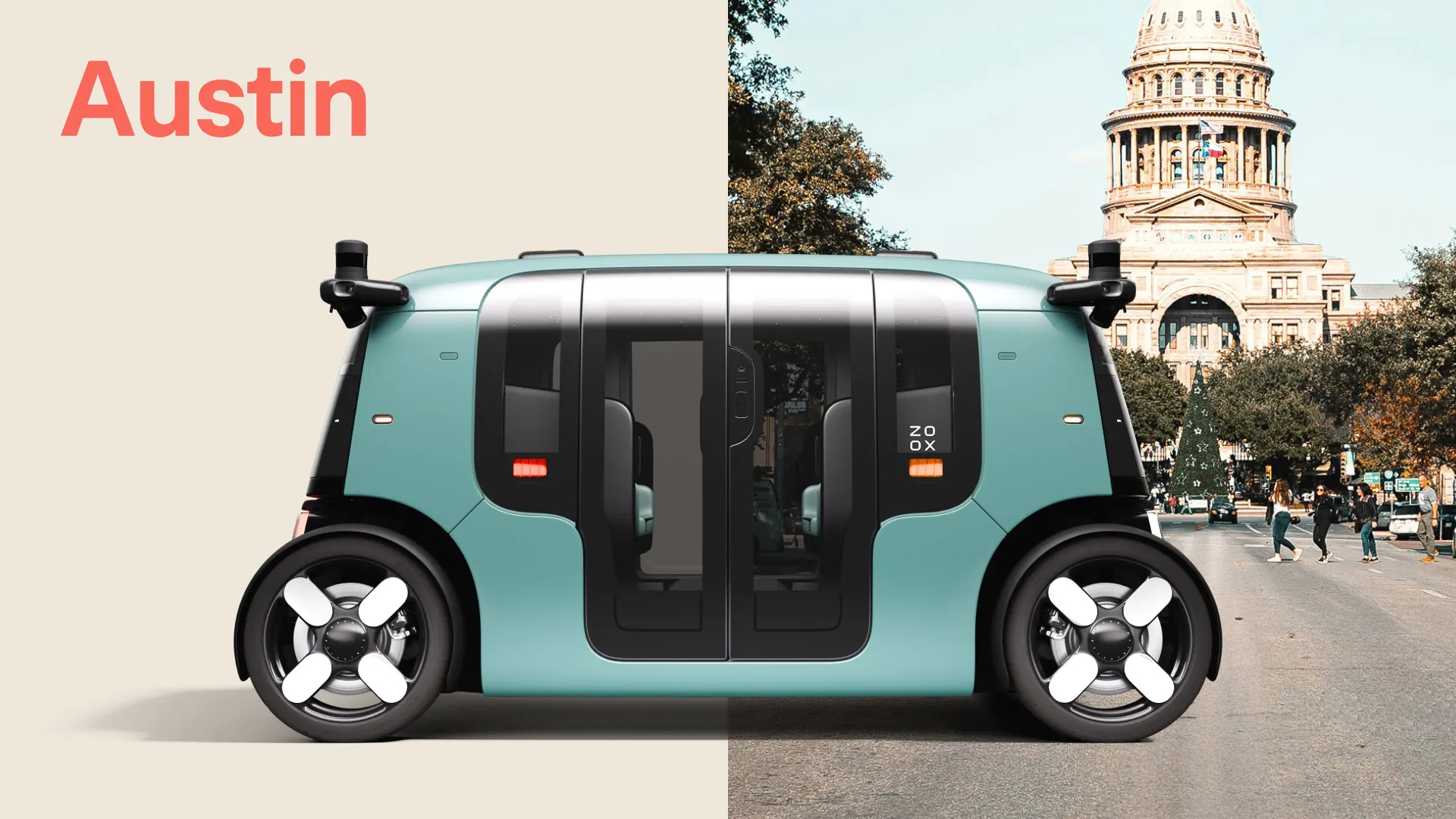
The company on March 24 announced plans to begin operations in Austin and Miami later this year, while expanding its existing footprint in Las Vegas and San Francisco.
In Las Vegas, riders can now access additional locations along the Strip, with service expected to reach the Sphere, T-Mobile Arena, and Harry Reid International Airport. In San Francisco, service will expand this spring to neighborhoods including the Marina, North Beach, Chinatown, and Pacific Heights, as well as along the Embarcadero—more than quadrupling Zoox’s current footprint in the city.
The expansion comes with technical upgrades, including machine learning model updates aimed at smoother rides and more accurate arrival time estimates. Regular software improvements have helped to enable service in new areas as the vehicles become more capable, says cofounder and CTO Jesse Levinson.
“For example, in San Francisco, our new geofence includes steeper hills, more dense traffic, places where you have to make more assertive lane changes,” he says. The cars have also gained the ability to operate in fog and rain, which will help in the push into Miami.
For now, Zoox’s distinctive electric vehicles—featuring inward-facing seats and no driver’s seat or steering wheel—operate under a regulatory exemption from the National Highway Traffic Safety Administration that allows them to run free rides. The company is still applying for a separate exemption that would allow it to charge for service, Levinson says.
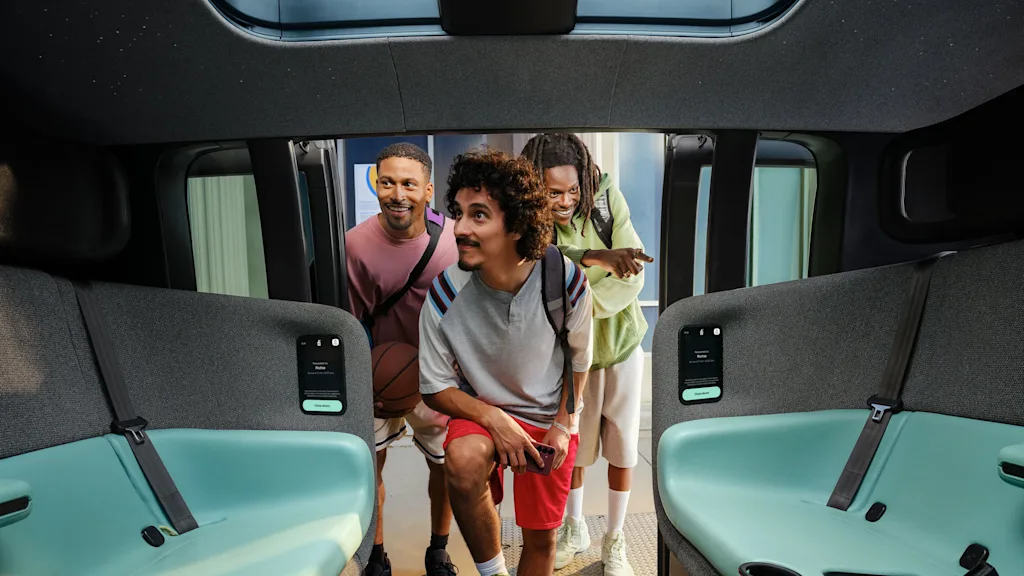
Its fleet remains relatively small, growing from about 75 to roughly 100 prototype vehicles as part of the expansion. That is expected to change once Zoox begins mass-manufacturing the production version of its vehicles at its plant in Hayward, California. The company hopes to start later this year and eventually produce three vehicles per hour, enabling a significant increase in fleet size. Alphabet-owned Waymo reportedly has at least 2,500 automated vehicles in service.