
Your blog post could be pure gold, but it might as well be invisible if your headline doesn’t grab the reader’s attention.
For small business owners competing in crowded markets, your blog post’s headline is often the first—and sometimes only—chance to make an impression on a reader-slash-potential-customer.
So while there’s no surefire words, formats, or magic wand we can wave to help you get more clicks on your blog posts, we do have 10 proven formulas to share that you can put to work immediately (plus a simple template to help you craft winning headlines every time).
Click to enlarge
Contents
10 best headline formulas for small business blog posts
These 10 headline formulas have been tested across thousands of small business blog posts, social media campaigns, and email newsletters. What makes them particularly powerful? Their ability to communicate value quickly while teasing answers to the key questions they’re looking for. Use them as your go-to templates whenever you need to draft some traffic-driving headlines that convert browsers into readers and readers into customers.
1. The “how-to” formula
The formula: How to [Achieve Desired Result/Solve Problem]

Your customers have questions, and you can position your small business as the go-to resource for answers to those questions with “how-to”-style content about your product, the specific types of customers you serve, and more. Even better? You probably know what your customers’ FAQs are, and those are great jumping-off points for topics to cover.
This headline formula works well for two reasons: It promises you’ll answer a specific question, step by step, and it creates an opportunity for you to be useful, relevant, and helpful (without making a hard sales pitch).
Examples:
- How to Dog-Proof Your Pool for Summer
- How to Keep Your Air Ducts Dust-free During Winter
- How to Organize Your Trunk Before Back-to-School Starts
📚 Free guide download >> 135 of the Best Words & Phrases for Marketing with Emotion
2. The problem/solution formula
The formula: Why [Common Problem] Happens (& How to Fix It)

This formula acknowledges a pain point your audience faces, then promises relief. It’s particularly effective because it shows understanding before offering solutions.
Again, this is a great way to position your business as a helpful resource and authoritative expert within your vertical. It shows you’re looking out for customers and anticipating their questions, too.
Examples:
- Why Your Hair Routine Is Taking Too Long (& How to Shorten It to 10 Minutes or Less)
- Why Toxic Nail Polish Should Be Thrown out (& Eco-Friendly Swaps to Switch to)
- Why Linen Clothes Get Easily Wrinkled (& the New Fabric That’s Lower Maintenance)
3. The curiosity gap formula
The formula: The [Surprising Thing] That [Notable Result]

This formula hints at surprising, counterintuitive, must-know information, which creates a curiosity gap in the reader. The curiosity gap, a product of Professor George Loewenstein’s information gap theory, explains that humans are driven to attain missing information to resolve their uncertainty. You can leverage this need-to-know behavior by putting this formula to work.
Examples:
- The One-Hour Organization Tactic That Can Revamp Your Closet
- The Simple Cleaning Product Swap That Makes Your Home Non-Toxic
- The Easy Cleaning Hack for Your HVAC System That Will Save You Hundreds
4. The mistake prevention formula
The formula: [Number] [Common Mistakes] [Audience] Make
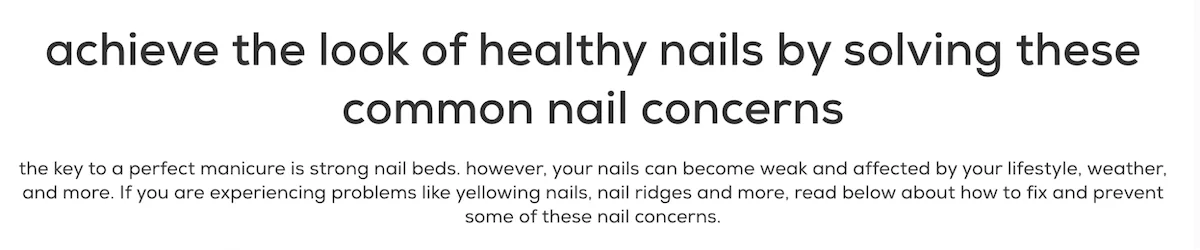
People are naturally more motivated to avoid losses than to gain benefits (this is Loss Aversion Theory 101.) That’s why the word “mistakes” triggers our instinct to protect ourselves from harm, which is why the content feels urgent and necessary.
This formula essentially hijacks several powerful psychological triggers while providing a clear value proposition.
Examples:
- 10 Common Lipstick Shade Mistakes Non-Makeup Artists Make (& How to Avoid Them)
- How to Avoid the 8 Biggest Home Pricing Mistakes For-Sale-by-Owners Make
- 5 Plumbing Mistakes That Can Cost You Thousands
🧠 Want more copywriting psychology insights? Download our free guide >> 25+ Brilliant Ways to Use Psychology in Your Copywriting
5. The success story formula
The formula: How [Someone Like Reader] [Achieved Impressive Result] [Time Frame/Method]

This formula essentially says, “someone just like you figured out how to achieve this amazing thing in a reasonable timeframe,” which is exactly what readers want to believe is possible for themselves. It transforms success from seeming impossible to seeming like a learnable skill.
Examples:
- How a Small-Town Bakery Grew to 6 Locations in 5 Years
- How One Homeowner Saved $2,000 on Energy Costs in 12 Months
- How One Florist Grew Its Business by 200% During the Pandemic
6. The insider secret formula
The formula: The [Industry/Expert] Secret to [Desired Outcome] That [Most People] Don’t Know

This formula positions you as an insider with exclusive knowledge, giving readers an unfair advantage. It appeals to our desire to be “in the know” and suggests that the information isn’t widely available elsewhere.
For small businesses, this is perfect for sharing industry expertise that demonstrates your credibility and sets you apart from competitors.
Examples:
- The Contractor’s Secret to Renovation Budgets That Homeowners Don’t Know
- The Barista Trick for Perfect Coffee That Most Cafes Won’t Tell You
- The Accountant’s Method for Tax Savings That Small Business Owners Miss
🎉 Need help articulating what makes your business special? Get the guide >> How to Create a Unique Value Proposition From the Ground Up
7. The time-sensitive formula
The formula: [Number] Ways to [Achieve Result] Before [Deadline/Event]
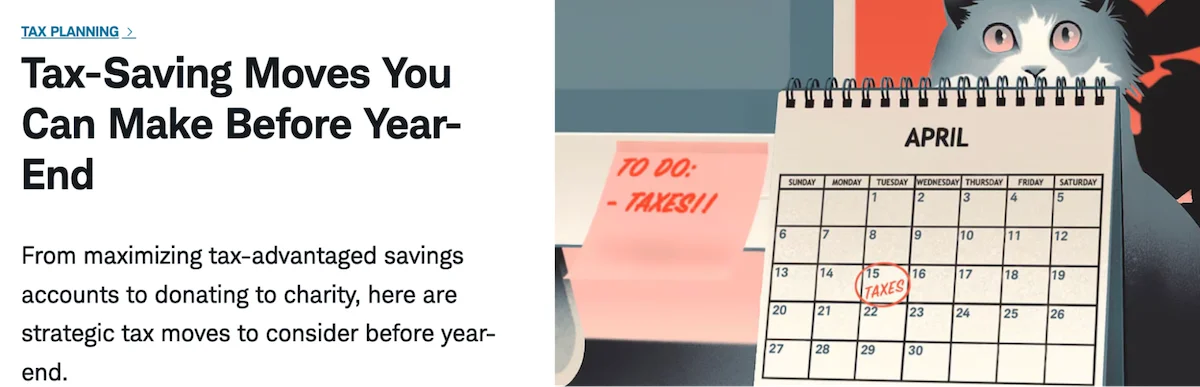
This formula creates urgency by tying the solution to a specific timeframe or upcoming event. It’s particularly effective for seasonal businesses or when addressing time-sensitive customer needs. The deadline creates pressure to act now rather than bookmark for later, which significantly increases click-through rates.
Examples:
- 7 Ways to Winterize Your Home Before the First Freeze
- 5 Strategies to Boost Holiday Sales Before Black Friday
- 3 Tax Moves to Make Before December 31st
8. The comparison formula
The formula: [Option A] vs. [Option B]: Which Is Right for [Your Audience]?

This formula acknowledges that your audience is weighing options and positions your content as the definitive guide to making that decision. It’s especially powerful because it shows you understand the buyer’s journey and aren’t pushing a single solution. Instead, you’re helping them make an informed choice, which builds trust and authority.
Examples:
- Hardwood vs. Laminate Flooring: Which Is Right for Busy Families?
- Instagram vs. TikTok Marketing: Which Works Better for Local Restaurants?
- DIY vs. Professional Lawn Care: Which Saves Homeowners More Money?
9. The transformation formula
The formula: From [Undesired State] to [Desired State] in [Timeframe]

This formula promises a complete transformation, which is incredibly compelling because it addresses both where someone is now (the problem) and where they want to be (the solution). The timeframe adds credibility and urgency. It works particularly well for before-and-after style content that showcases dramatic results.
Examples:
- From Cluttered Garage to Organized Workspace in One Weekend
- From Social Media Beginner to Local Influencer in 90 Days
- From Overgrown Yard to Neighborhood Showcase in 30 Days
10. The authority/credibility formula
The formula: [Number] [Industry Experts/Studies] Agree: [Surprising or Counterintuitive Claim]

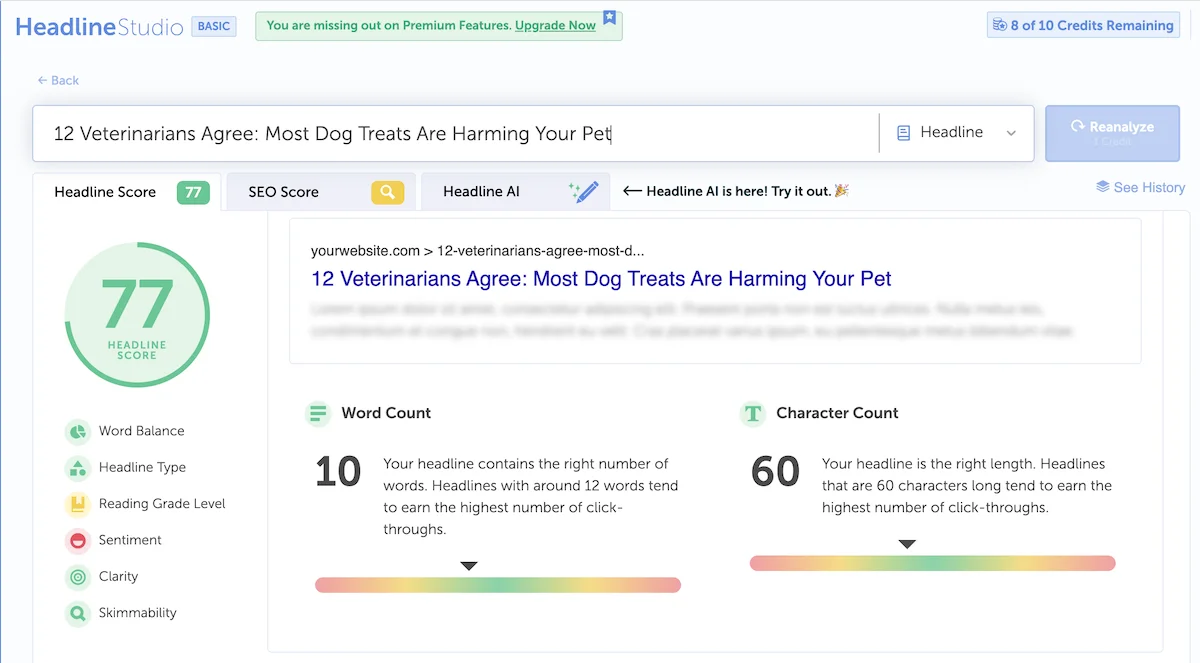
This formula leverages social proof and expert authority to make a bold claim more believable. It’s particularly effective when you’re challenging conventional wisdom or introducing new concepts to your audience. The number and mention of experts or studies adds credibility, making readers more likely to trust and share your content.
Examples:
- 9 Financial Advisors Agree: Your Emergency Fund Is Too Big
- 12 Veterinarians Agree: Most Dog Treats Are Harming Your Pet
- 15 Interior Designers Agree: Open Concept Homes Are Going out of Style
The small business headline template
Use this simple template to create compelling headlines for any blog post:
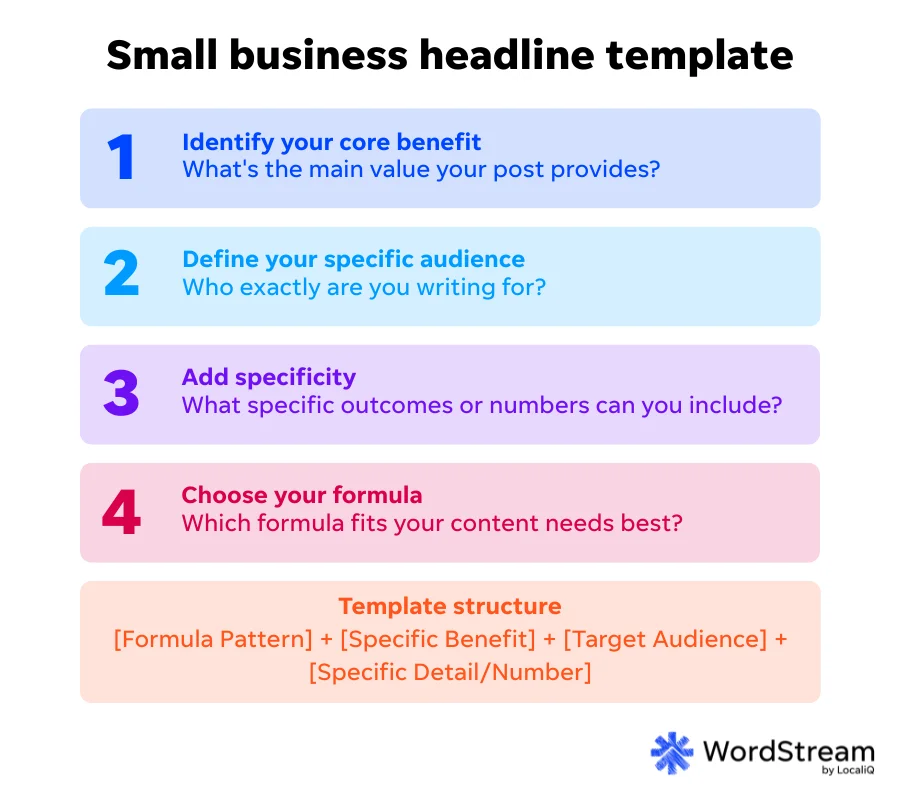
Step 1: Identify your core benefit: What’s the main value your post provides? (Save money, increase sales, save time, avoid problems, etc.)
Step 2: Define your specific audience: Who exactly are you writing for? (Restaurant owners, freelancers, e-commerce businesses, etc.)
Step 3: Add specificity: Include numbers, timeframes, or specific outcomes when possible.
Step 4: Choose your formula: Select one of the 10 formulas that best fits your content and audience needs.
- Template structure: [Formula Pattern] + [Specific Benefit] + [Target Audience] + [Specific Detail/Number]
How to test and optimize your headlines
Creating great headlines is both an art and a science. Here are practical ways to improve your headline performance:
- A/B test when possible: If you’re sharing on social media or sending newsletters, test different headlines for the same content to see which performs better.
- Use headline analyzer tools: Free tools like CoSchedule’s Headline Analyzer can provide feedback on your headlines’ emotional impact and structure.
- Study your analytics: Track which headlines generate the most clicks, shares, and engagement. Look for patterns in your highest-performing content.
- Keep a swipe file: Save headlines that catch your attention, even from other industries. Adapt successful formulas to your business context.
Common headline mistakes to avoid
Even with proven formulas, small business owners often make these critical mistakes:
- Being too vague: “Tips for Better Marketing” is less compelling than “5 Marketing Tips That Increased Our Revenue 25% in 60 Days”
- Overpromising: Avoid headlines that promise unrealistic results. Your content must deliver on your headline’s promise.
- Ignoring your audience: A headline that works for tech startups might not resonate with family restaurants. Always consider your specific audience.
- Forgetting SEO: While engagement is crucial, don’t forget to include relevant keywords that help people find your content through search.
Headline formulas: The secret sauce for driving blog traffic
One thing remains true: Your blog post headline is often the make-or-break factor that determines whether or not a reader will click through and read your blog posts. Each formula outlined here is designed to communicate value quickly while addressing the key questions your audience is asking, transforming casual browsers into engaged readers and potential customers.