
Artificial intelligence (AI) remains one of the tipping points in 2025. Across Africa, the conversation shifted from adoption to ownership as startups trained new models, engineered data pipelines, and built hardware that reflects the realities of low-connectivity environments and scarce compute.
Africa’s biggest constraint in AI development was not talent but the lack, or complete absence of, infrastructure. There are too few data centres, power constraints, insufficient regional datasets, and limited representation in global language models. Yet the founders leading this new wave have embraced those challenges.
Africa’s AI movement has shifted from consumerism to foundational building. Startups are building language models that understand local context, while others are integrating the technology in hardware tools to improve efficiency, sovereignty, and innovation.
How we selected them
We used a framework which relies on four pillars:
- The “Builder vs. Wrapper” filter
A startup must own core elements of its system. It must have proprietary models, datasets, hardware, or core infrastructure. If a product simply calls an OpenAI or Anthropic application programming interface (API), it does not qualify. Automatically, this disqualifies “AI-powered” startups and generative pre-trained transformer (GPT) wrappers.
- Ground truth test
Startups must be generating or curating original data, especially in contexts where African ground-truth data is scarce. This includes dialectal audio (Lelapa AI), drone imagery (Charis UAS), medical scans (RxScanner), and infant cry datasets (Ubenwa).
- Contextual architecture
The technology must be built for Africa’s infrastructure constraints. This includes offline-capable models, TinyML architectures, and compute-efficient systems optimised for low-connectivity settings and low-cost hardware.
- Ecosystem stack segmentation
Our list reflects balance across the AI stack:
- Layer 1: Infrastructure (compute, MLOps, deployment rails)
- Layer 2: Model and data builders (language models, vision models, biologically inspired models)
- Layer 3: AI-based deep-tech applications solving mission-critical African problems
Over 2,400 African startups are building AI infrastructure or leveraging existing systems to engineer their own AI-based infrastructure as of 2024, according to an AfriLabs report. It is not possible to list them all. selected the startups named here through independent research and conversations with people familiar with Africa’s AI ecosystem, and did not rely on the AfriLabs report for the specific names.
This list prioritises startups building infrastructure from scratch (Layer 1); startups training or fine-tuning models using proprietary datasets (Layer 2); and startups building AI-based hardware (Layer 3). Here are 23 companies that represent the strongest examples of African AI infrastructure builders.
Layer 1 — Infrastructure from scratch
Cerebrium (South Africa)
Founders: Michael Louis and Jonathan Irwin.
Founded in 2021, Cerebrium is building Africa’s most significant serverless AI infrastructure platform. Its custom runtimes and GPU optimisation layer allow engineers to deploy machine learning models with near-instant cold start times. This is foundational work, reducing reliance on global cloud providers and giving African developers a compute-efficient alternative tailored to their environments. The startup is becoming a critical backbone for regional AI deployment.
Synapse Analytics (Egypt)
Founders: Ahmed Abaza and Galal El Beshbishy.

Founded in 2018, Synapse Analytics built Konan, a platform that helps large companies, especially banks and financial institutions, run their machine‑learning models in the real world. Kona gives data teams one place to put models into production, monitor how they behave, catch problems early, and update them safely, so the AI systems behind credit scoring, fraud checks, and risk models stay accurate over time.
Fastagger (Kenya)
Founders: Mutembei Kariuki, Jude Mwenda, and Stephanie Njerenga.
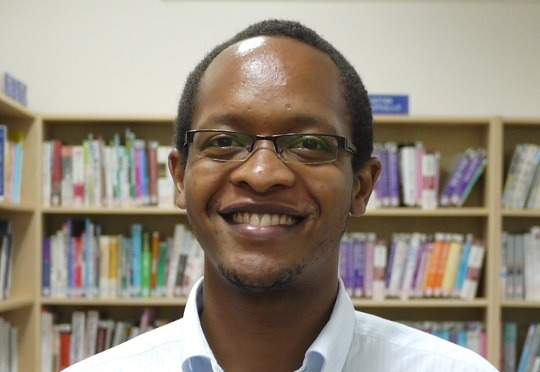
Founded in 2019, Fastagger is an edge-AI engineering startup. Its TinyML models run on low-cost devices and smartphones without relying on the cloud. This approach supports offline deployments in rural and low-connectivity environments.
Self-described as an “edge AI infrastructure partner for telcos,” the startup allows telecom companies to layer AI services like credit scoring and fraud detection directly onto user devices, reducing cloud costs and improving service in areas with uneven connectivity. Fastagger is proving that Africa can set the global benchmark for lightweight, efficient model design.
Awarri/N-ATLAS (Nigeria)
Founders: Silas Adekunle and Eniola Edun (Awarri).
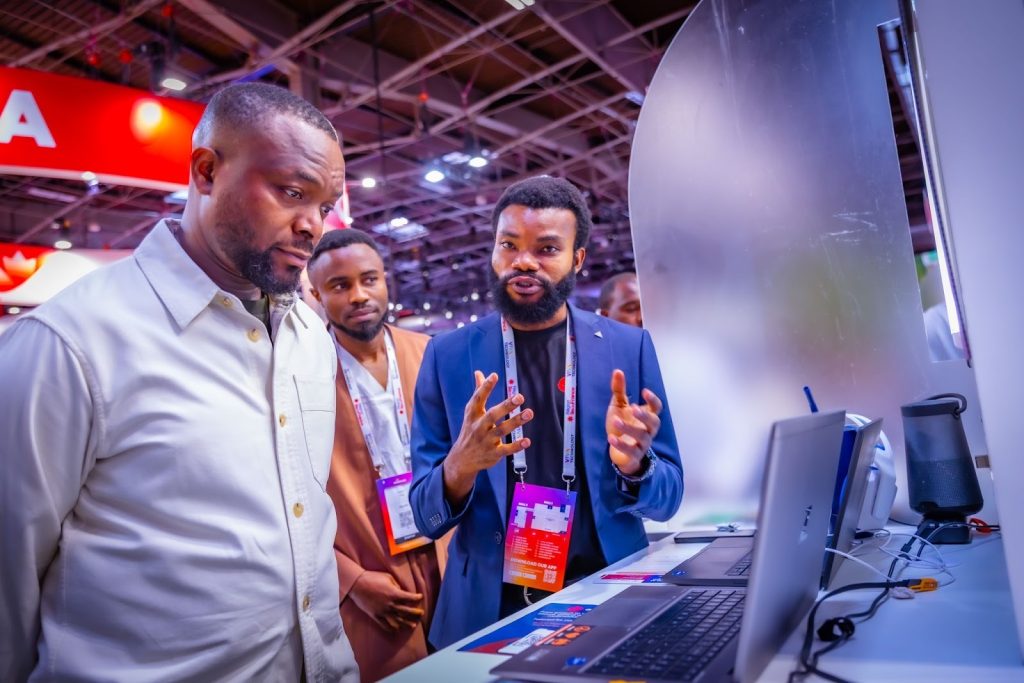
N‑ATLAS, developed with Awarri as a core technical engine, also straddles Layer 1 and Layer 2. As a model project, it is an open‑source multilingual and multimodal large language model (LLM) and speech stack fine‑tuned on hundreds of millions of tokens of localised data, including Yoruba, Hausa, Igbo and Nigerian‑accented English. It is also built with a text LLM (on Llama‑3‑class weights), and automatic speech recognition (ASR) models adapted to local speech collected via programmes like the national initiative, 3 Million Technical Talent (3MTT), and LangEasy.
As infrastructure, N‑ATLAS is positioned as a national digital public good: checkpoints on Hugging Face, APIs, and software development kits (SDKs) that make it Nigeria’s language layer for chatbots, call-centres, citizen services, media transcription and accessibility tools, reducing dependence on foreign black‑box LLM APIs and giving local builders a shared foundation to extend.
Lelapa AI (South Africa)
Founders: Pelonomi Moiloa and Jade Abbott.
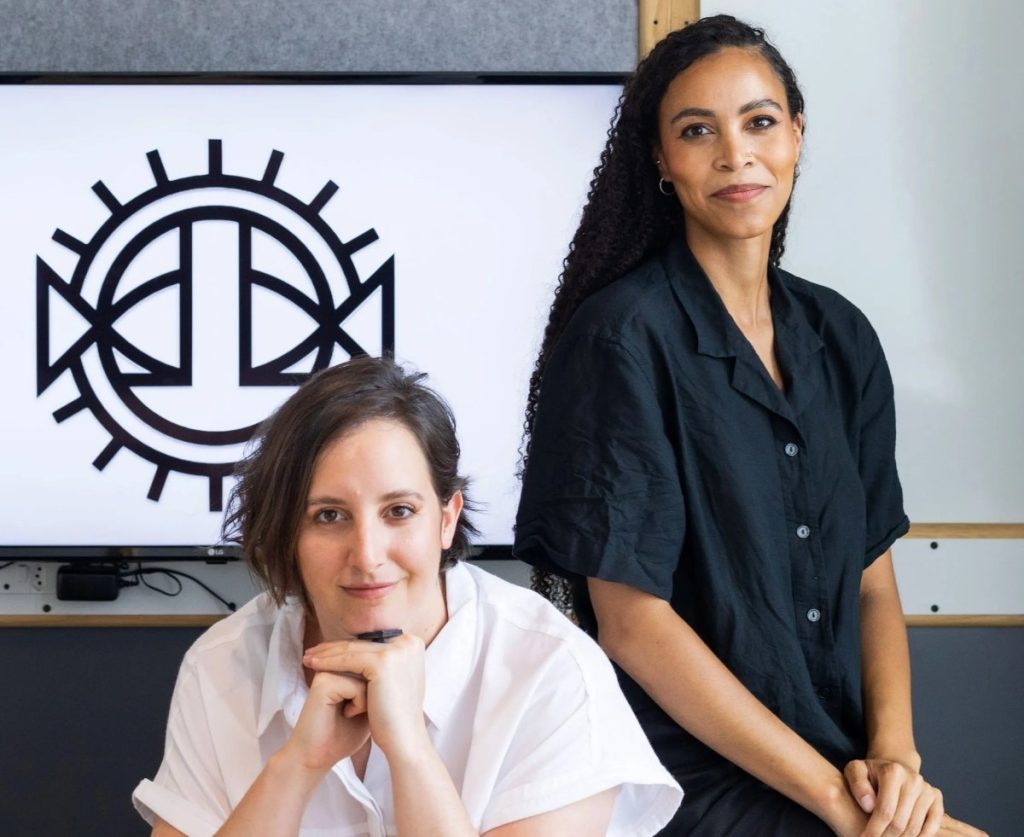
Lelapa is both a Layer 2 model builder and a Layer 1 language infrastructure provider. On the model side, its research team trains InkubaLM, a small multilingual language model built from scratch on roughly 2.4 billion tokens spanning five African languages plus English and French, and curates Inkuba‑Mono and Inkuba‑Instruct datasets for low‑resource African languages that others can pretrain and fine‑tune on.
On the platform side (Layer 2), Lelapa turns its models into usable infrastructure through Vulavula, a multilingual API that offers speech recognition, translation, sentiment analysis and intent detection for African languages and code-switching. It packages its own models into tools like Transcribe, Converse, Analyse and Translate, with SDKs and hosting built in, so other African startups don’t need to rebuild the language stack from scratch.
Lelapa uses Cerebrium to reduce cold-start times.
Intella (Egypt)
Founders: Nour Taher and Omar Mansour.
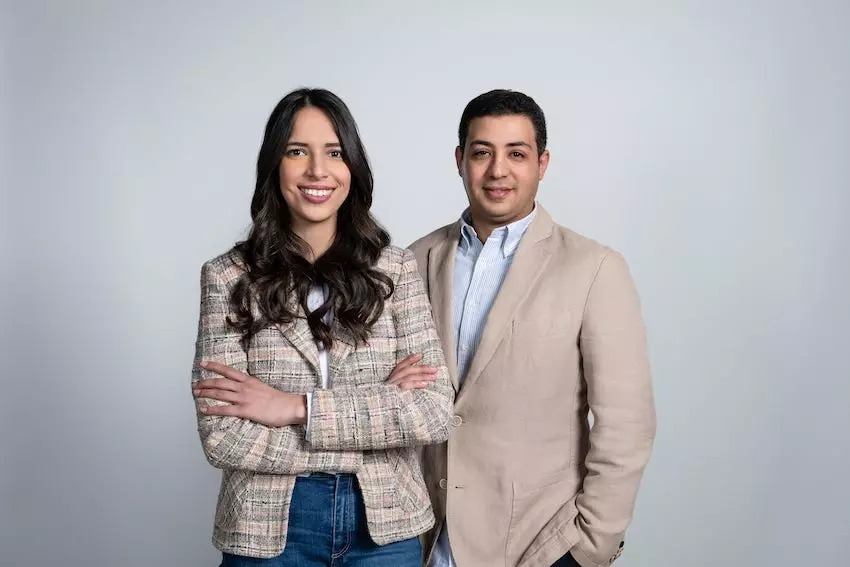
Intella blends two roles. As a model builder (Layer 1), it trains Arabic speech-recognition and analytics models on huge amounts of real regional audio, from call-centre recordings to media archives, which helps it understand Egyptian, Gulf, Levantine and other dialects far better than generic Modern Standard Arabic systems.
As a platform (Layer 2), it turns this into a full speech-AI stack with real-time transcription, sentiment and intent analysis, voicebots and agent-assist tools available through APIs and dashboards. The result is a regional speech-technology layer that Middle East and North African (MENA) startups and enterprises can build on without piecing together foreign tools that don’t understand local dialects.
Botlhale AI (South Africa)
Founders: Thapelo Nthite, Sange Maxaku, and Xolisani Nkwentsha.
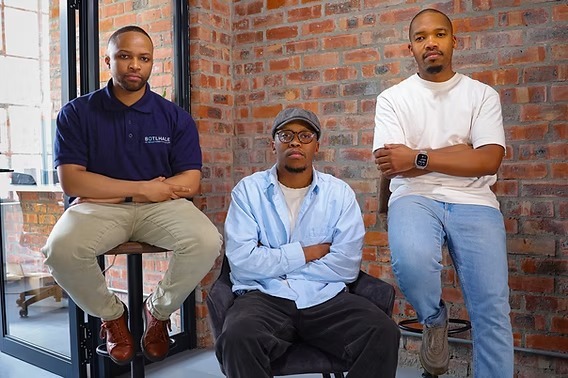
Like Lelapa and Intella, Botlhale AI also plays two roles. As a model builder (Layer 1), it trains speech and language models on its own conversational datasets so it can understand code-switching, slang and the way people actually speak across Southern Africa, something Western ASR systems usually get wrong.
As an infrastructure provider (Layer 2), it turns these models into a contact-centre AI stack with APIs for transcription, intent detection, routing and analytics, giving banks, telecom companies and other enterprises plug-and-play African-language customer experience tools without needing to build their own speech or natural language understanding (NLU) systems.
DXwand (Egypt)
Founders: Ahmed Mahmoud and Mahmoud Gomaa.
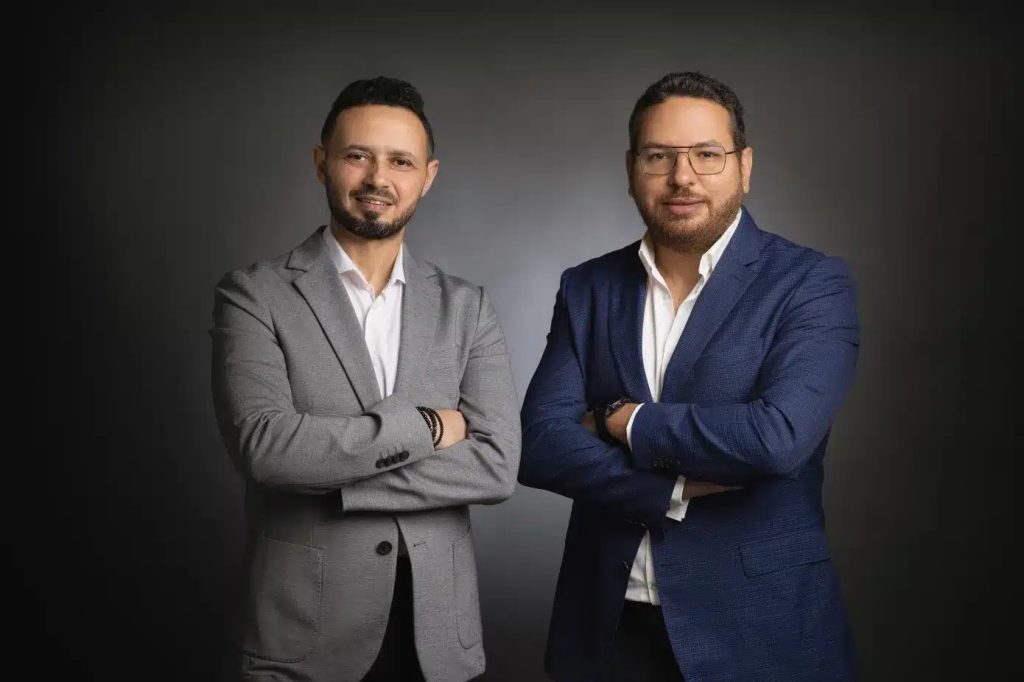
Founded in 2018, DXwand gives companies a conversational AI platform built for Arabic dialects. It powers digital assistants across channels like WhatsApp, websites and call centres, helping businesses improve customer service and automate routine tasks across the MENA region.
Layer 2 — Infrastructure builders using proprietary data
Ubenwa (Nigeria)
Founders: Charles Onu, Innocent Udeogu, and Samantha Latremouille.
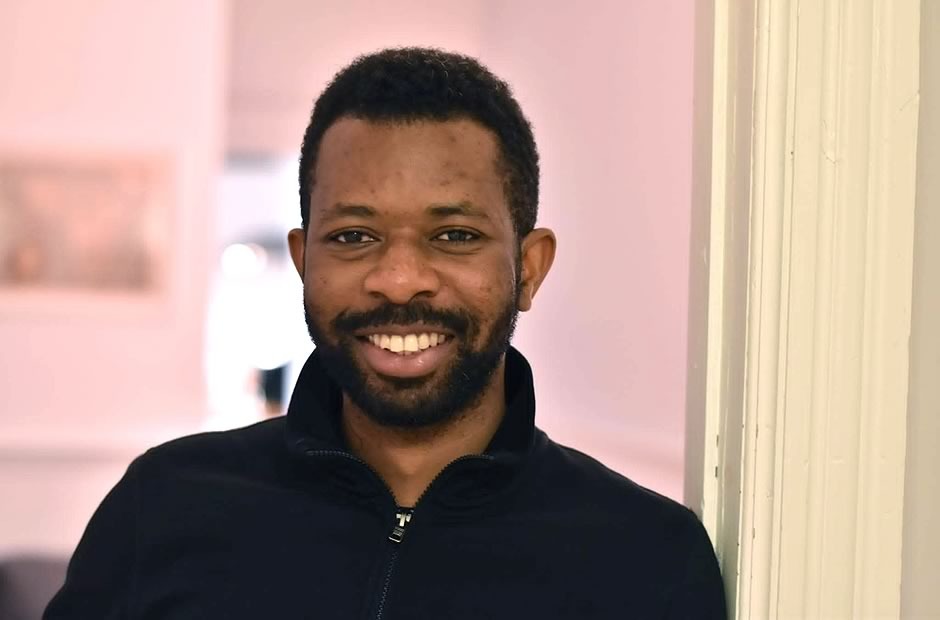
Founded in 2017, Ubenwa built an AI model that recognises infant cries. The startup created a global clinically annotated infant cry database, fitted with acoustic biomarker systems that analyse baby cry frequencies to detect birth asphyxia. Ubenwa’s frontier technology could significantly reduce neonatal deaths across African hospitals where access to specialised care/clinicians is limited.
Amini (Kenya)
Founders: Kate Kallot.
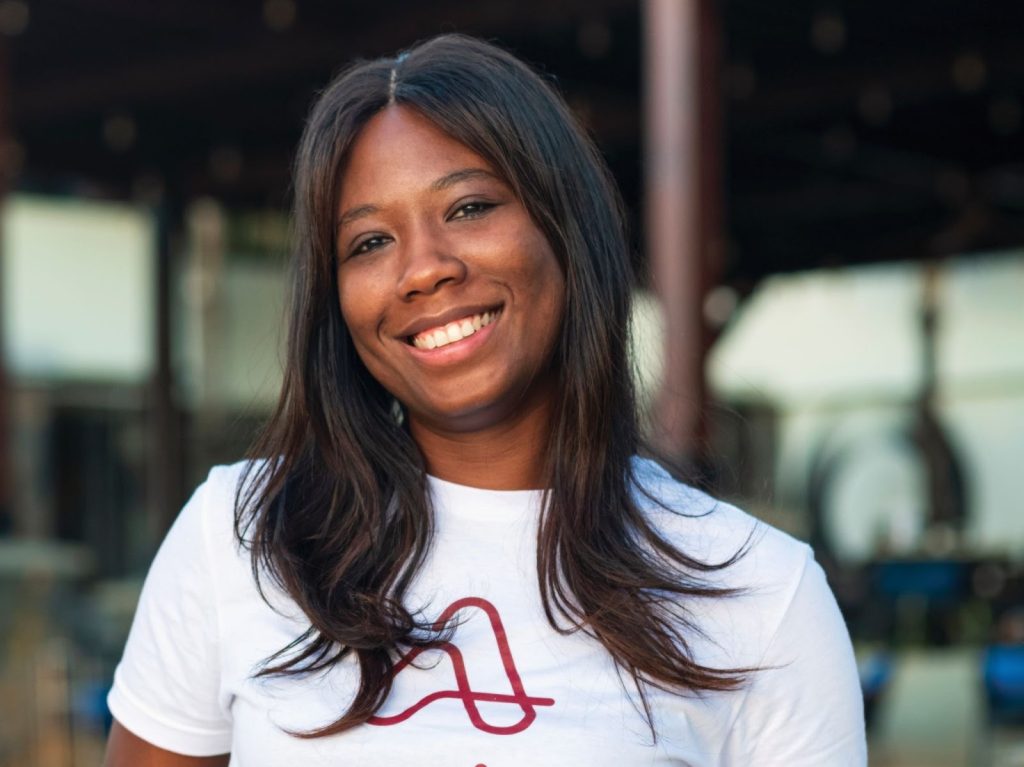
Founded in 2022, Amini’s models convert satellite, sensor, and climate data into high-resolution environmental intelligence. The startup aims to use proprietary technology to power crop insurance, climate reporting and land-use mapping, supporting more sustainable food systems across Africa.
DataProphet (South Africa)
Founders: Frans Cronje, Daniel Schwartzkopff, and Richard Craib.
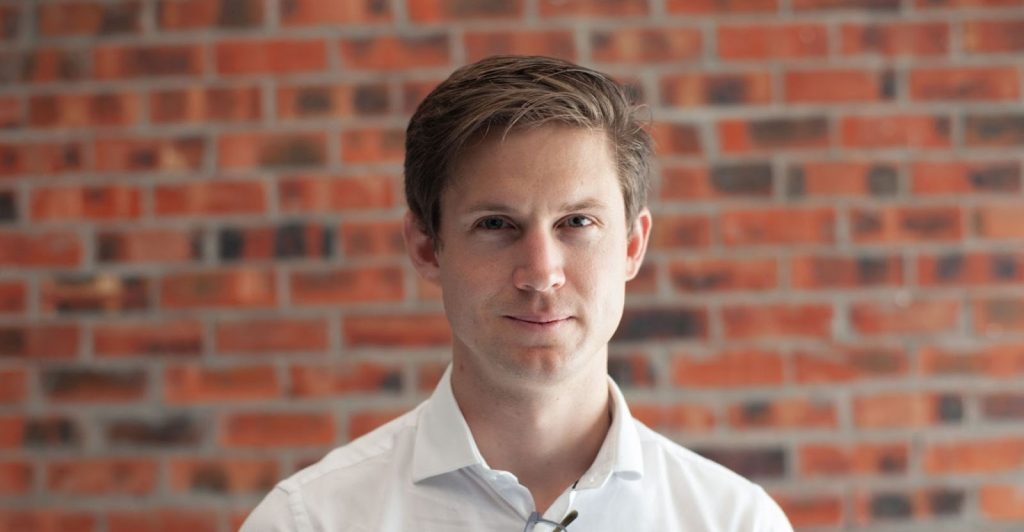
One of Africa’s well-funded startups in the sector, DataProphet built PRESCRIBE, an advanced AI-as-a-service industrial system that detects and prevents product defects in manufacturing factories. It analyses huge streams of sensor data from production lines, putting the startup at the forefront of AI-driven manufacturing.
Neural Labs Africa (Kenya and Senegal)
Founders: Tom Njoroge and Paul Mwaura.

Founded in 2021, Neural Labs is building clinical AI for respiratory diseases, trained on African X-ray data. Its models are validated in real hospitals and optimised for lower-resolution imagery typical of regional clinics. The startup is closing a diagnostic gap where global models often struggle.
Envisionit Deep AI (South Africa)
Founders: Dr Jaishree Naidoo, Andrei Migatchev, and Terence Naidu.
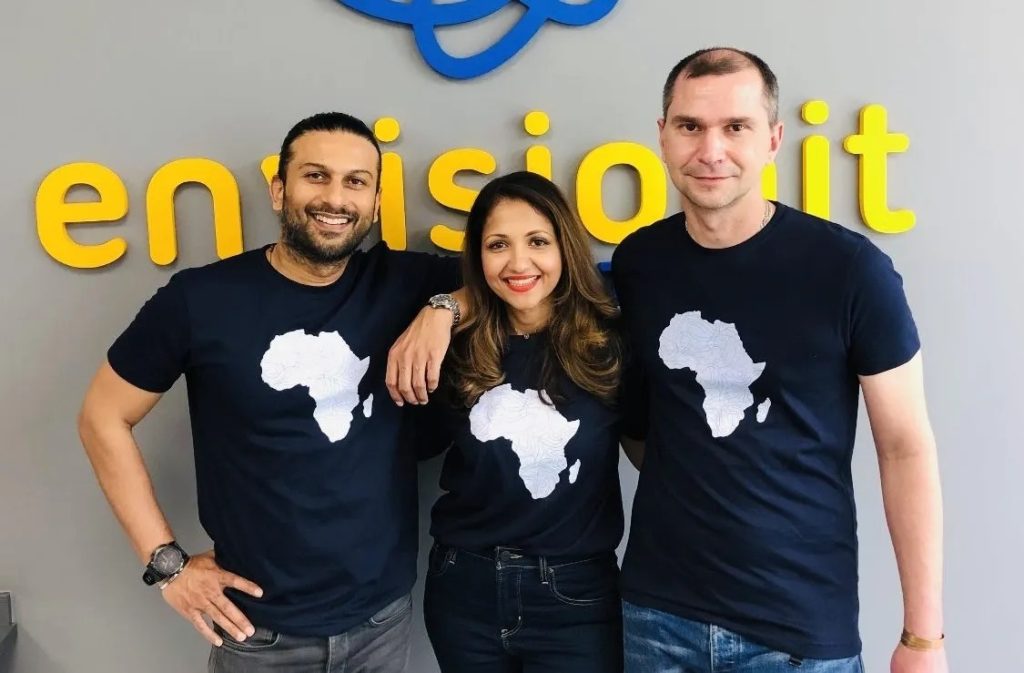
Founded in 2019, Envisionit is a medical AI startup that built Radify, a suite of medical imaging models trained on African datasets. Radify identifies tuberculosis, pneumonia, breast cancer, and other conditions within seconds. The startup’s hybrid cloud-and-on-premise architecture enables hospitals with unreliable internet to deploy AI safely.
Aerobotics (South Africa)
Founders: Benji Meltzer and James Paterson.

Founded in 2014, Aerobotics develops computer vision pipelines for agriculture, capable of counting and assessing millions of trees individually. Their models detect pests, disease, and crop stress through subtle colour variations invisible to the naked eye. This has made the startup a global leader in precision agriculture intelligence.
Yemaachi Biotech (Ghana)
Founders: Dr Yaw Bediako, David Hutchful, Joyce Ngoi, and Yaw Attua-Afari.
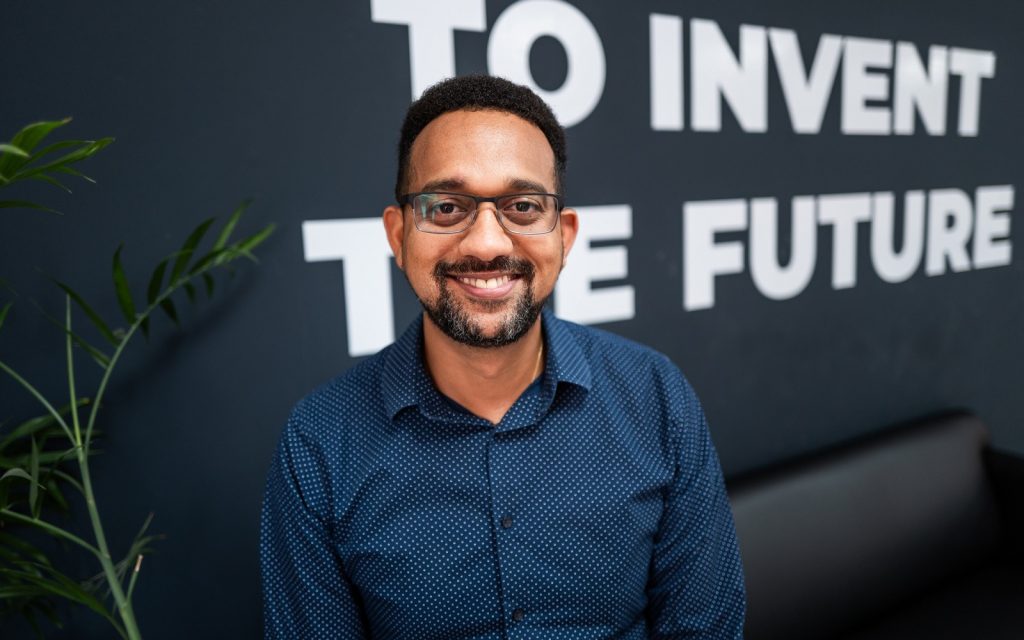
Founded in 2020, Yemaachi makes our list for utilising frontier technologies, like AI, differently and the impact it is making. The startup builds cancer genomics models trained on African tumour datasets. By identifying population-specific biomarkers, it is accelerating precision oncology for Africans who have historically been excluded from genomic research.
InstaDeep (Tunisia/Germany; Africa-born)
Founders: Karim Beguir and Zohra Slim.
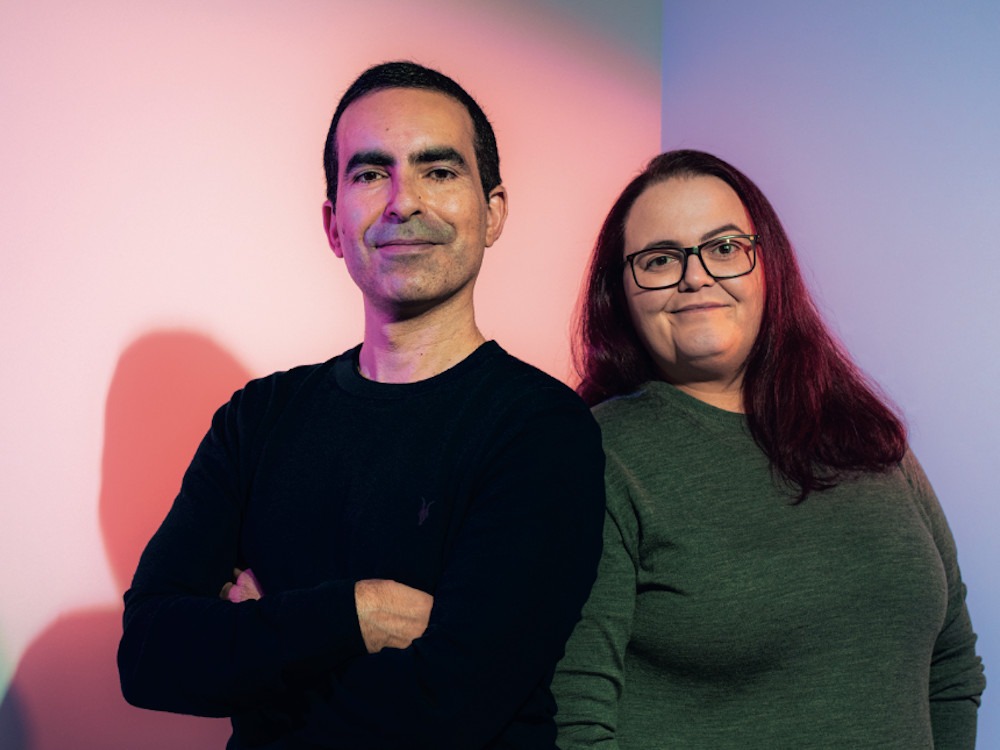
Germany’s BioNTech acquired InstaDeep for £562 million ($680 million) in 2023, and it remains Africa’s largest exit to date, proving the utility and value of the startup’s AI tech stack. Its platform DeepChain uses reinforcement learning for protein design. InstaDeep continues to operate as a core scientific engine in the region.
Indicina (Nigeria)
Founders: Yvonne Johnson, Jacob Ayokunle, Carlos del Carpio, and Yemi Ajao.
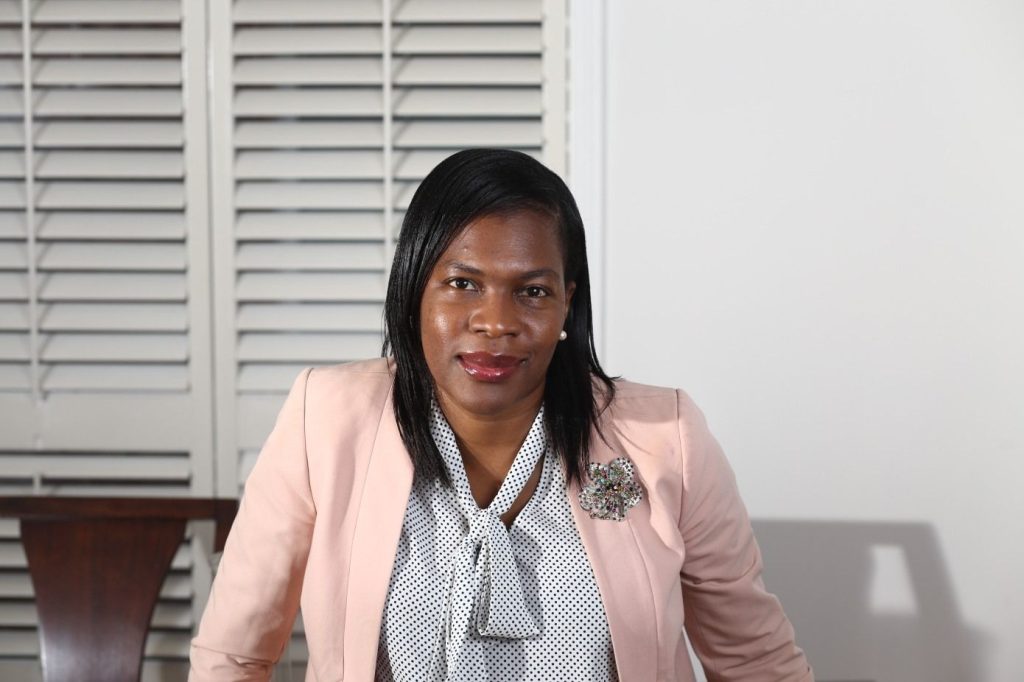
Founded in 2018, Indicina, a lending-as-a-service startup, built “Decision” and “Originate” to provide decisioning engines that parse messy African financial data, trained on multiple data points, including bank statements, mobile money patterns, and data from credit bureaus, to produce risk assessments for lenders. The startup helps lenders reduce loan defaults and expand credit access on the continent.
Layer 3 — AI-based hardware
RxAll – RxScanner (Nigeria)
Founders: Adebayo Alonge, Amy Kao, and Wei Liu.
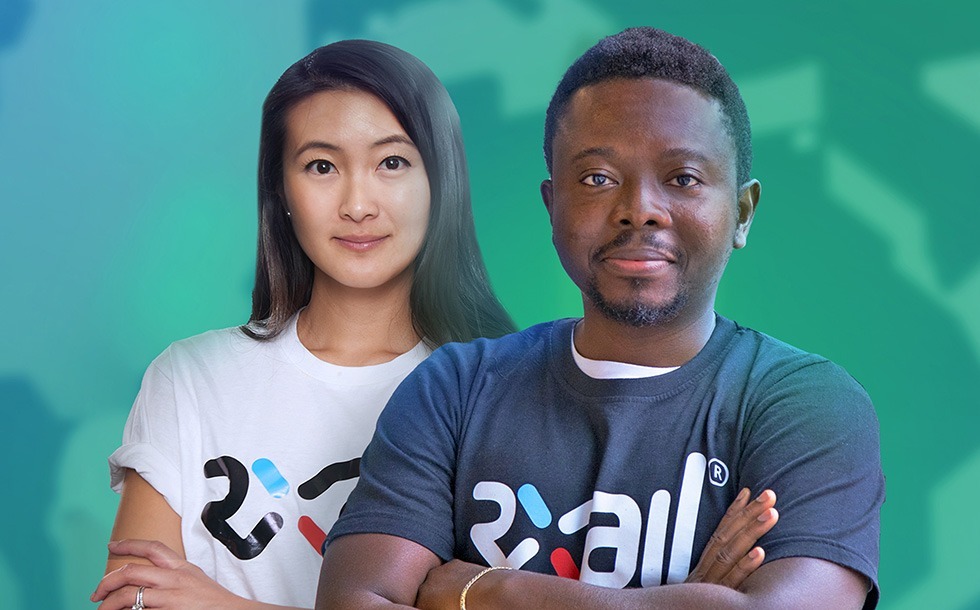
Founded in 2016, RxAll is more of a medical-tech startup than an AI startup, but it built RxScanner, an AI-based hardware product. RxScanner is a handheld device that checks if a medicine is real or fake using a spectrometer. It shines light through or onto the drug, captures its unique pattern, and compares that pattern to RxAll’s online library using AI models to see if it matches what a genuine pill should look like. AI is built directly into the RxScanner physical hardware that pharmacies and clinics can use on the spot to fight Africa’s counterfeit‑drug problem.
InfiniLink (Egypt)
Founders: Ahmed Aboul-Ella and Botros George.
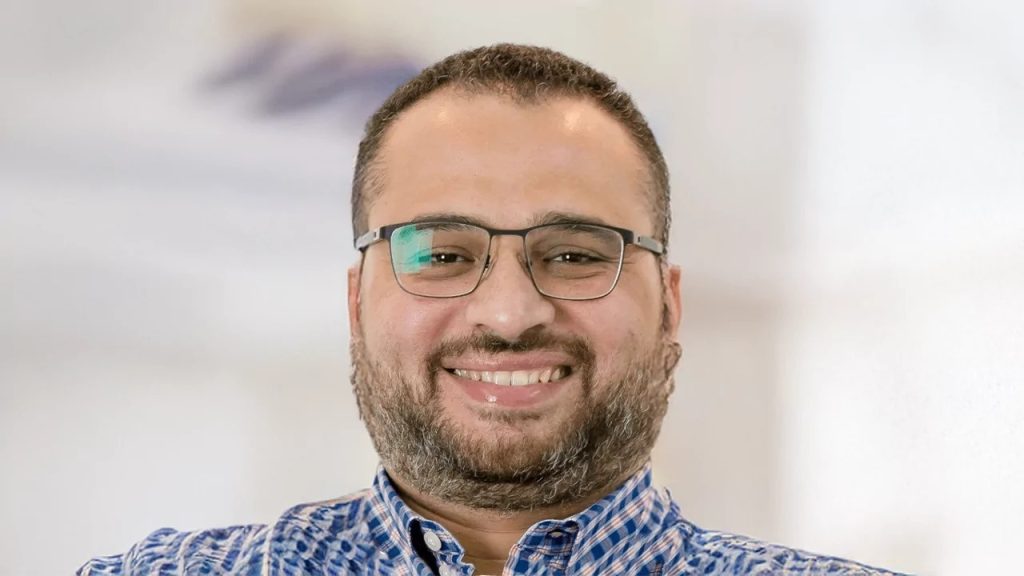
Founded in 2022, InfiniLink designs silicon‑photonics, chiplets, and high‑speed serialiser/deserialiser (SerDes) that move data between chips in AI data centres using light instead of copper. By delivering very high bandwidth while using much less power than traditional electrical links, its technology helps make large‑scale AI systems faster and more energy‑efficient. InfiniLink is one of the flagbearers in Africa’s emerging fabless semiconductor ecosystem. It was acquired by GlobalFoundries (GF), a US semiconductor manufacturing plant, in November 2025.
Si-Ware Systems (Egypt)
Founders: Hisham Haddara, Bassam Saadany, and Ayman Ahmed.
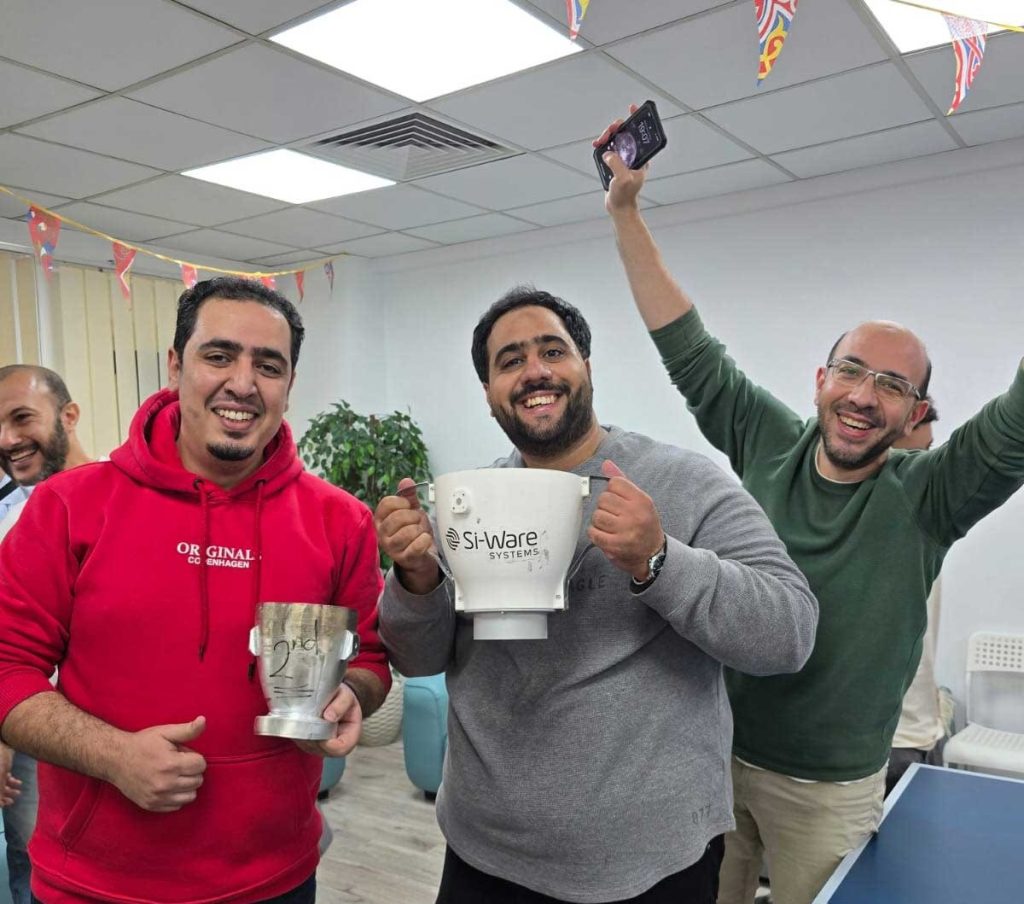
Founded in 2004, Si-Ware Systems last raised a $9 million Series B round in 2021, and is one of the oldest “startups” on this list. But its relevance to AI remains evident in the fabless semiconductor space, where it is providing custom application-specific integrated circuit (ASIC) development services as well as standard products in optical micro-electromechanical systems (MEMS) technology.
Si-Ware’s NeoSpectra uses a tiny MEMS-based spectrometer that brings laboratory-grade chemical analysis to portable devices. Combined with machine learning (ML), it enables rapid material testing for agriculture, mining, and pharmaceuticals. In May 2025, the startup’s NeoSpectra business was acquired by BUCHI Labortechnik AG, a Swiss manufacturer of laboratory and industrial equipment, which now manages the platform, including handheld analysers and cloud software. The remaining entity of Si-Ware continues to focus on other technologies, such as high-speed timing chips.
Simera Sense (South Africa)
Founders: Johann du Toit and Charles Black.
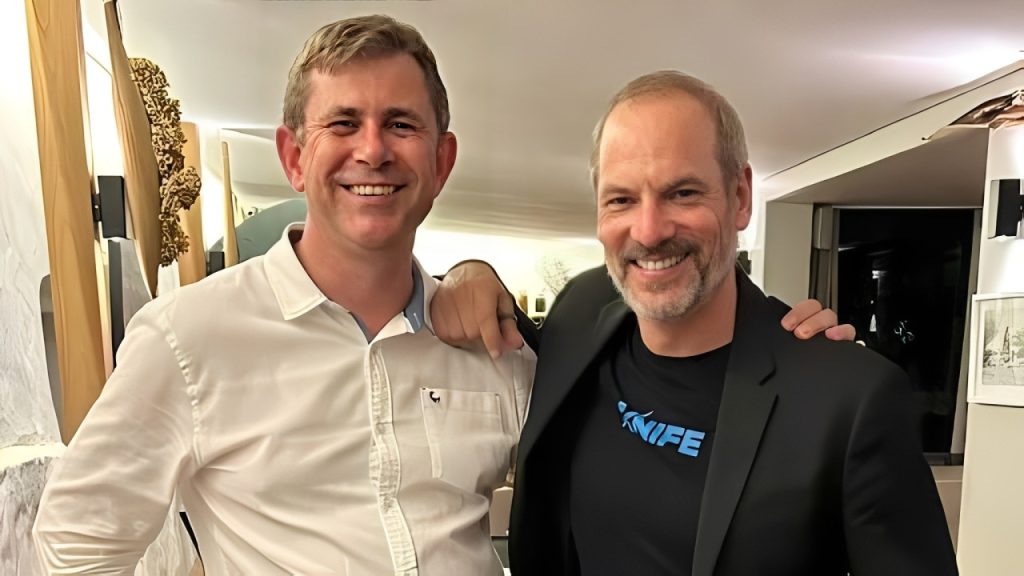
Simera Sense builds high‑resolution cameras that sit on satellites and can run AI directly in space. Instead of sending all the raw images back to Earth, the payload can process them on board, pick out what matters, and send only the useful results. That saves bandwidth and speeds up decisions for things like disaster response, climate and environmental monitoring, and farm management.
The startup sells its solutions to companies and agencies that build and operate small satellites.
CubeSpace (South Africa)
Founders: Mike-Alec Kearney, Willem Jordaan, and Jako Gerber.
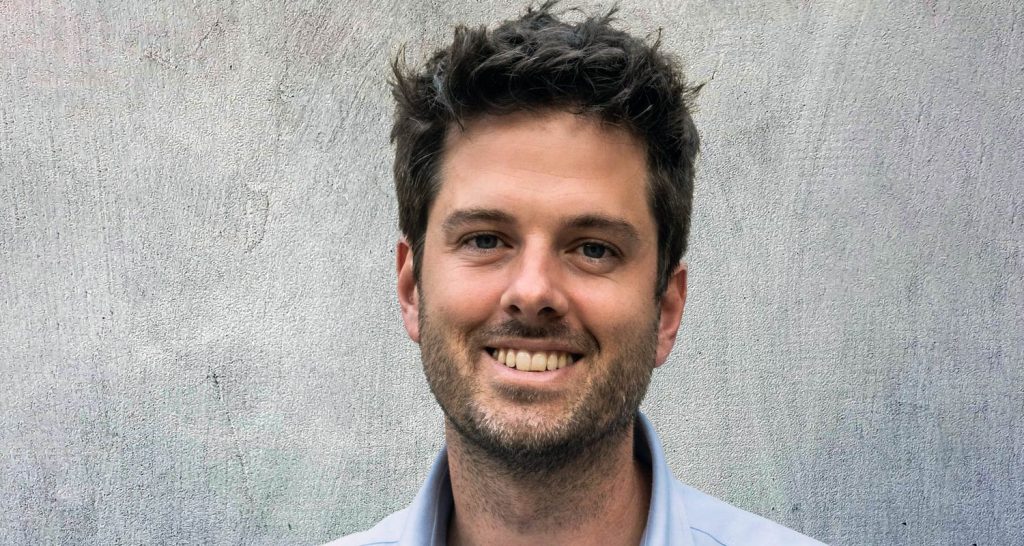
Founded in 2014, CubeSpace designs the “steering and balancing” systems that help small satellites point in the right direction and stay stable in orbit. Its hardware boxes and embedded control algorithms tell a spacecraft how to turn, where to look, and how to keep its instruments steady, which is essential for imagery and reliable communication.
CubeSpace sells these attitude control systems (ACS) to satellite manufacturers, mission integrators, and space agencies around the world, including teams building African‑made spacecraft that need precise navigation without developing this deep‑tech capability from scratch.
Charis UAS (Rwanda)
Founders: Eric Rutayisire, Mamy Ingabire Muziga, and Teddy Segore.
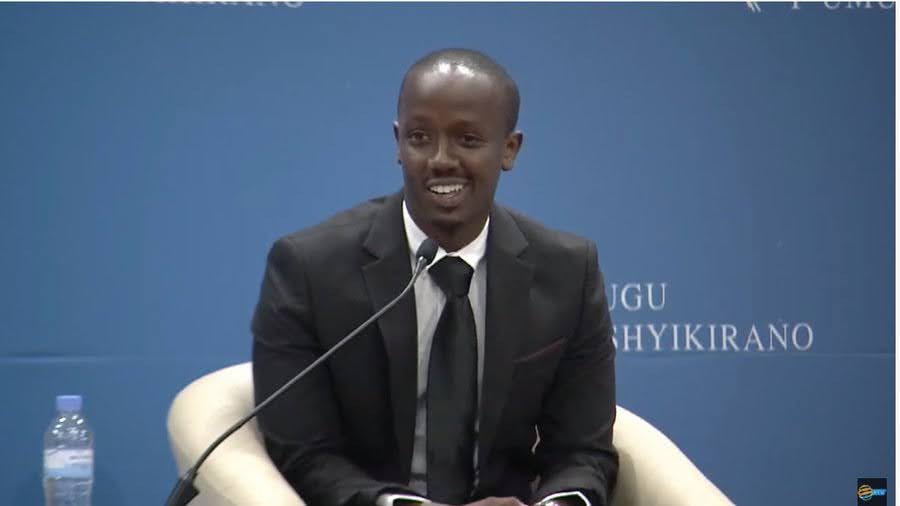
Founded in 2014, Charis UAS is an AI-based geospatial solutions startup that deploys drone hardware for aerial imagery. It combines Charis Analytics, its proprietary AI platform, to use its drones for mapping land use, public infrastructure, and malaria risk zones. The startup’s work supports government planning, environmental monitoring, and public health surveillance.
Zimbabwean billionaire Strive Masiyiwa’s Cassava Technologies is also a notable mention, as the company is building Africa’s first AI factory, backed by NVIDIA, the US chipmaker.