We may receive a commission on purchases made from links.
The market for smart home devices promises to continue growing in 2026. New innovations in security cameras and sensors, intelligent locks, and other devices are on the way thanks to the broader adoption of artificial intelligence and other technologies. Whether you’re already part of the population with some of these gadgets in your home or are new to the segment, you can expect plenty of steps forward from the manufacturers of smart home devices.
The most exciting tech at the 2026 Consumer Electronics Show included some new possibilities for smart homes. There will be some completely new hardware, and existing products will undergo some important changes and upgrades. Here are a few of the notable ways your smart home gadgets will change in 2026 and beyond, whether you’re an early adopter of connected devices with an Alexa in every room or just now planning on your first smart device purchase.
Smart home devices will work more seamlessly
The days where smart home gadgets would often fail to connect are fading thanks to developments from companies like Aqara, which introduced its new U400 smart lock at CES 2026. The U400 will support Apple’s U1 ultra-wideband (UWB) chip, which means you’ll be able to unlock the door by just getting close to it. Apple’s ultra-wideband tech is in iPhone 11 and Apple Watch 6 and later models, so having one of these devices is key to using the new feature.
You can buy the Aqara U400 smart lock for $269.99 via Amazon and get into your house using your device, a password, or fingerprint. While UWB technology isn’t an entirely new innovation, more brands are now starting to implement it. Once you’ve added your U400 to Home Key on your iPhone or Apple Watch it can be programmed to unlock when you get close to the door and lock again when you leave. Many smart locks work using just Bluetooth, but UWB can pinpoint a device’s location within centimeters. The U400 uses both technologies to ensure your devices connect seamlessly every time and only for you.
Improved interoperability
Having a house full of smart devices can be more of a headache than a plus if they can’t communicate properly. As things stand, most people use Wi-Fi mesh and repeaters or extenders to help cover large spaces. Simply upgrading your main router could do as much as these devices, making 2026 a good time to replace your existing hardware with something more modern.
If you’re still running a Wi-Fi 5 on a router, upgrading to a new Wi-Fi 6 or 7 device should bring faster and more stable connections to your smart devices. And if you have an amazing internet service plan but are still using old hardware, you might not be getting the fastest upload and download speeds possible. It might also be a good idea to connect some devices with an Ethernet cable as it can provide a more stable connection than Wi-Fi in certain parts of your home.
AI will help you manage storage and backups
If you have sensors and security cameras around your property you have to make provisions for storing all the data they gather. While many brands offer cloud-based subscriptions or a limited amount of internal storage, this might not be enough. At CES 2026, UGreen introduced two new AI-enabled NAS (Network-Attached Server) devices: the NASync iDX6011 and iDX6011 Pro. With 196TB of storage, up to 64GB of RAM, and the Intel Core Ultra 7 chip, you can set up your cameras and sensors to pipe captured data to these powerful machines.
That 196 TB of storage could be enough for over 1,000 hours of video at lower bitrates, and the AI assistant can help you find what you’re looking for once it’s stored away. Having your own server also keeps your data 100% local for added security. You can pre-order a NASync server directly from UGreen at super early bird pricing from $999 to $1,599, and this small yet powerful home server might be one of the coolest things you can buy in 2026.
Apple is readying a new home device hub
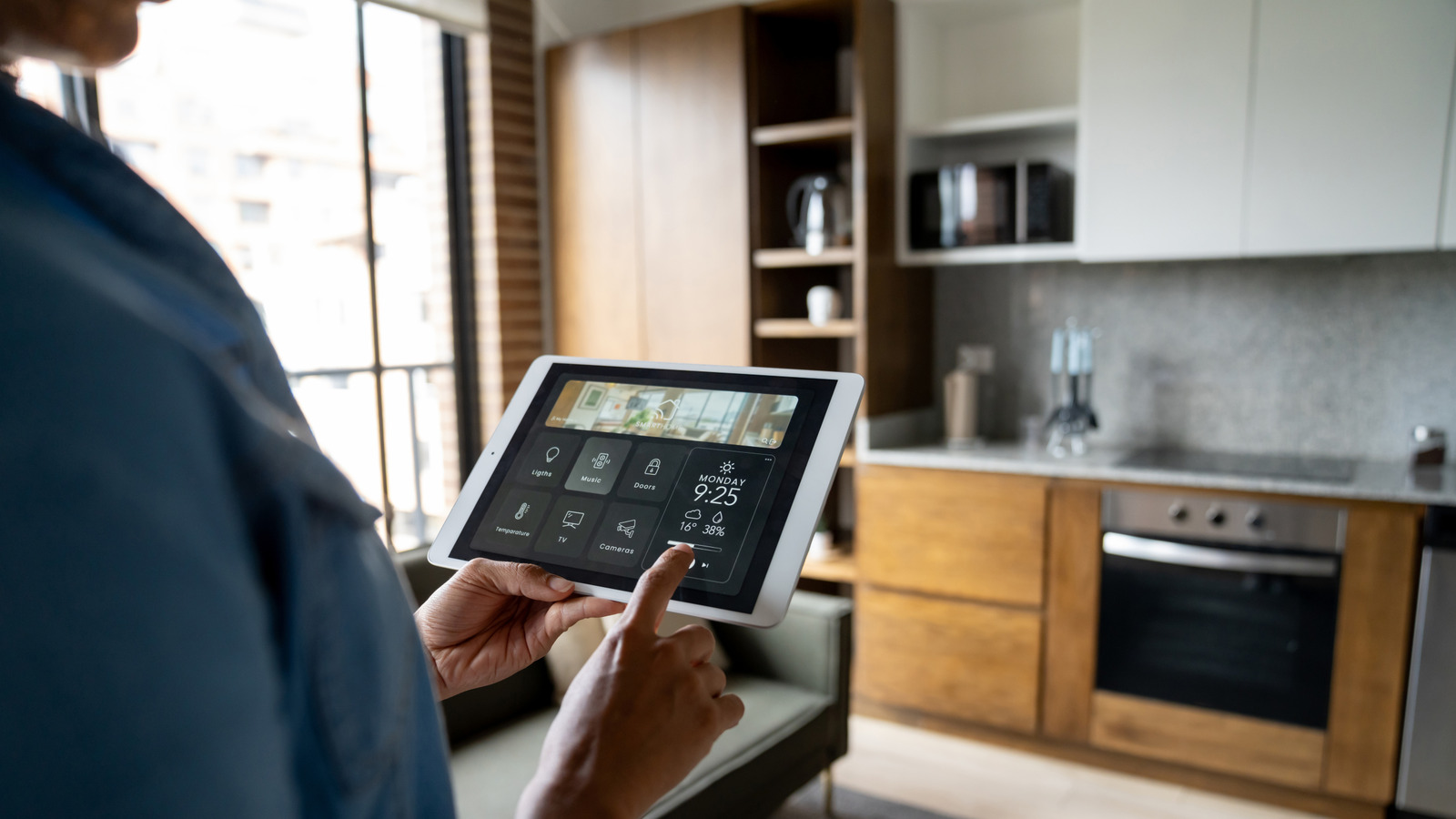
If the smart home device market wasn’t already crowded enough, Apple has teased the upcoming relase of the HomePad, a smart home hub that will be a mix of a HomePod with an iPad display. This device is said to have been ready for a while, but dependence on the new Siri means it’s become one of several Apple devices delayed by Apple Intelligence.
The first HomePod was released in February of 2018, and MacWorld anticipates a Spring 2026 release for the HomePad as part of Apple’s move to “expand its smart home footprint by releasing several new devices aimed at the smart home.” This product might not have the impact of the iPod or iPhone, but Apple’s releases often inspire other manufacturers to develop competing products. Apple is expected to introduce a tabletop robot by 2027 with overlapping features, but the HomePad could be the gateway to smart home device tech for some consumers.