Just a glitch
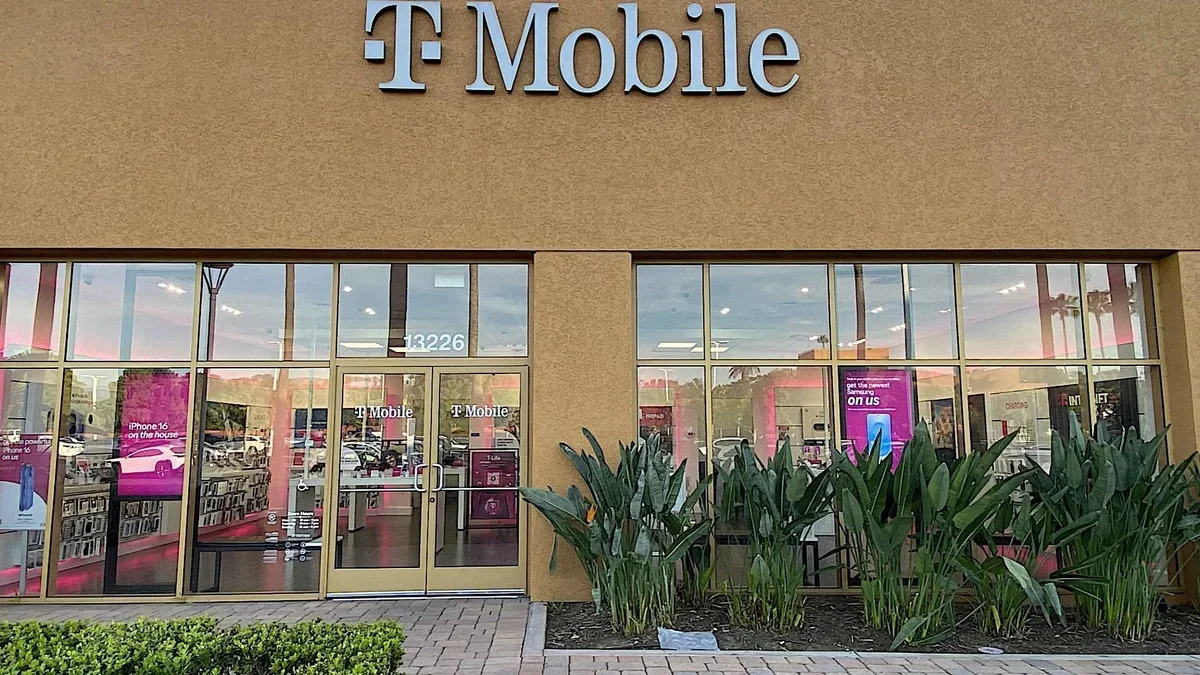
There have been multiple complaints on Reddit highlighting a surge of emails confirming the receipt of trade-in devices, even though the recipients haven’t sent anything to the carrier.
Still setting customers on edge
For customers receiving the trade-in emails from a standard email address, it’s hard not to feel perturbed. After all, no one wants to be unwittingly dragged into an upgrade process they didn’t initiate.
Worse yet, such anomalies often signal the threat of a security breach or impersonation.
The emails mention the International Mobile Equipment Identity (IMEI) of the device supposed to be traded in. Some customers have received as many as four such emails, each with distinct device details.
Since no account changes have occurred, customers don’t need to worry. As a precaution, the email recipients may still review their accounts or get in touch with a customer representative.
Not a trivial matter
While customers who are getting the trade-in alerts have nothing to worry about, this is still a serious glitch.
After all, T-Mobile may be sending the emails to the wrong customers, disclosing the IMEI of devices to unintended recipients. Fortunately, the emails don’t contain any other personally identifiable information.
For some customers, the email refers to the IMEI of a device they traded in the past, in which case there are no privacy and security concerns either.
Just another day
T-Mobile customers are no strangers to such incidents. In some cases, like last year’s SyncUP bug that allowed unauthorized customers to view the real-time location of other people’s children, T-Mobile is responsible. In others, such as when customers got emails shaming them for their online behavior, T-Mobile has no part.
In the grand scheme of things, incidents like these are few and far between. More importantly, they don’t pose a threat beyond inducing a bit of temporary anxiety.