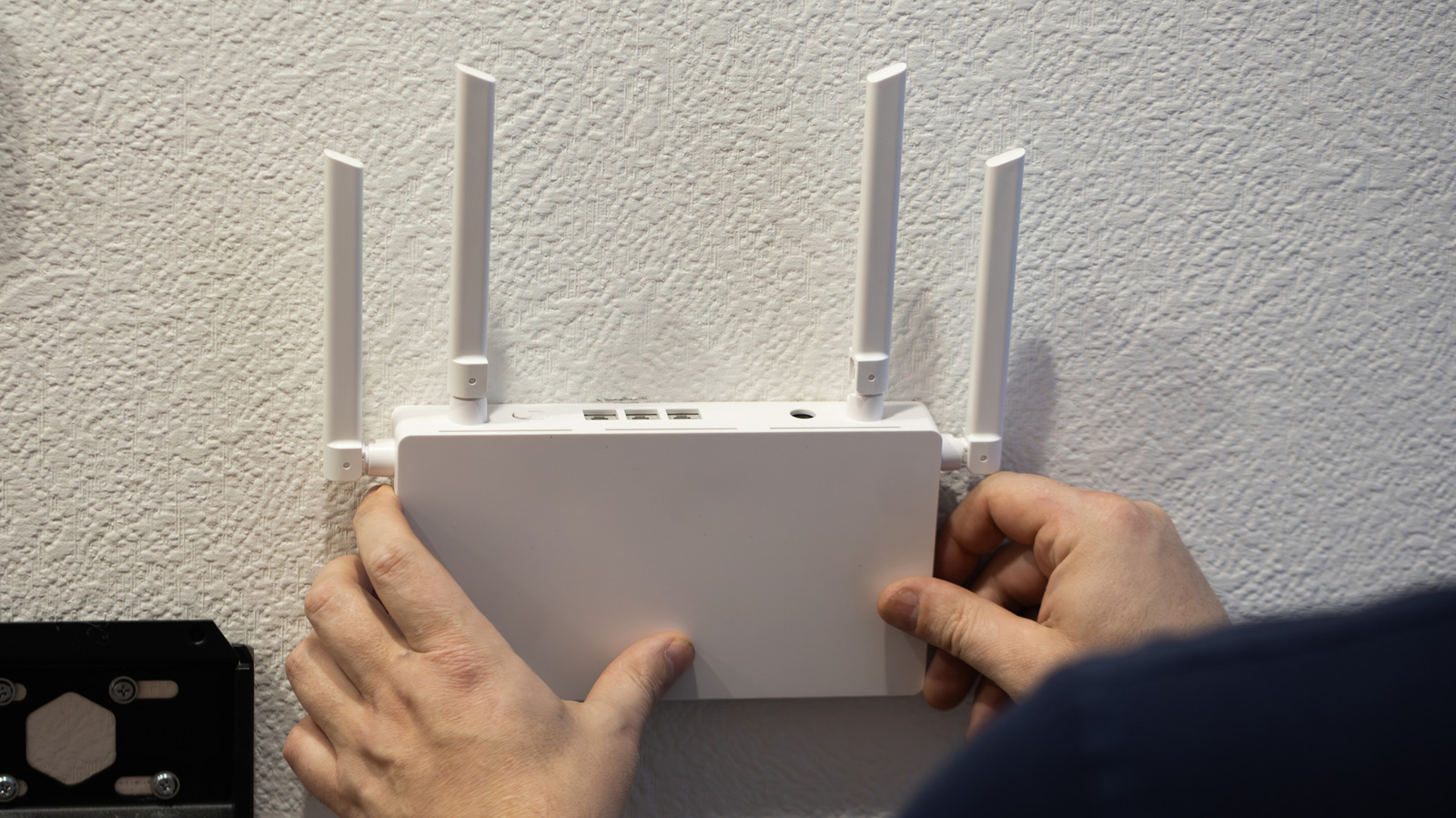
In early 2026, the Federal Communications Commission (FCC) made a big announcement: It had banned routers produced in foreign countries due to national security concerns. That means any equipment not already approved by the FCC won’t appear on store shelves in the U.S. The FCC also enacted an expiration date on routers that are already in the U.S., giving manufacturers until March 2027 to keep updating consumer’s devices.
The ban may have left you with some questions around your Wi-Fi network connectivity, like, can you actually buy routers made in America? As of April 2026, the answer to this question appears to be no. Even American-based companies like Google and Netgear do not manufacture their routers in America, instead using factories in Vietnam, Taiwan, and China.
But the answer to this question goes deeper, as the FCC’s definition of “foreign produced” is broad. Not only does the agency stipulate that the device be made in America, but all major processes of its production must also be completed in the U.S. This means everything from design, to manufacturing the components, and putting the router together needs to happen in the United States.
The future of American-made routers
Currently, impacts on the router industry related to moving manufacturing to America is unclear. However, there have been statements from companies such as Netgear that commend the move, while manufacturers like TP-Link note heavy investment in US-based manufacturing on it’s website. TP-Link has said it was planning to move manufacturing to the United States anyway, so this ban will likely only expedite the timing.
There may still be questions about whether or not TP-Link routers are safe to use, but the company has noted that the security of its supply chain remains strong. Starlink is said to make some of its Wi-Fi routers in Texas, but with components sourced from foreign countries. Considering some of the reasons why Starlink is better than traditional home internet, some people might already be using these American-made routers.
However, the FCC hasn’t stated whether its ban will extend beyond routers to impact other internet devices such as Wi-Fi repeaters and access points. Hopefully there will be more clarity on this going forward, but for now we’ll have to wait and see how the companies that rely on overseas router manufacturing respond to the FCC ban.