This is a case that shakes the top of the American legal pyramid. The big law firm Sullivan & Cromwella Wall Street juggernaut employing more than 900 lawyers, had to make amends with federal judge Martin Glenn in New York.
The reason? A crucial file, filed on April 9, was riddled factual errorsincorrect case citations and totally fanciful summaries of case law.
The designated culprit is not a careless young recruit but a artificial intelligence (AI) used for research and writing, which literally hallucinated information.
What is this monumental “blunder” committed by the Sullivan & Cromwell firm?
The failure is as simple as it is spectacular: the firm submitted a legal document containing false legal references created by an AI.
Concretely, the software has invented names and business numbersand even produced false quotes from these non-existent sources. These errors, known ashallucinations IAwere spotted not internally but by the lawyers of the opposing party.
The irony is biting: it’s the cabinet Boies Schiller Flexnerworking on the same file, which raised the hare. Andrew Dietderich, one of the senior partners at Sullivan & Cromwell, not only had to write a apology letter to the judge but also personally call his colleagues to thank them for their vigilance.
A humiliating situation to say the least for a firm whose reputation is based on surgical precision and exorbitant prices.
How could such an error have escaped the safeguards of a legal giant?
The response provided by the firm is almost more worrying than the error itself: their own rules were not followed.
In his letter, Andrew Dietderich assures that the firm has “ comprehensive policies and training requirements » governing the use ofartificial intelligence.
However, he freely admits that these procedures were ignored and that the process of secondary verificationsupposed to control everything, also failed. This admission highlights a systemic flaw.

The strictest policies are worthless if they are not strictly enforced. The incident suggests that blind trust in the tool, or perhaps deadline pressure, led to insufficient human supervision.
This is proof that AI, as advanced as it is, remains a tool that amplifies human rigor, but also its negligence. The name of the AI software used was not disclosed, leaving doubt about the technology involved.
What are the implications for the future of AI in the legal world?
This case is a powerful wake-up call for the entire legal sector. If a firm of the caliber of Sullivan & Cromwell can fall into this trap, no one is safe.
The case highlights that the final responsibility always falls to the lawyer, who is ethically required to ensure accuracy of each document submitted to a court. The use of AI is not prohibited but it requires increased vigilance.
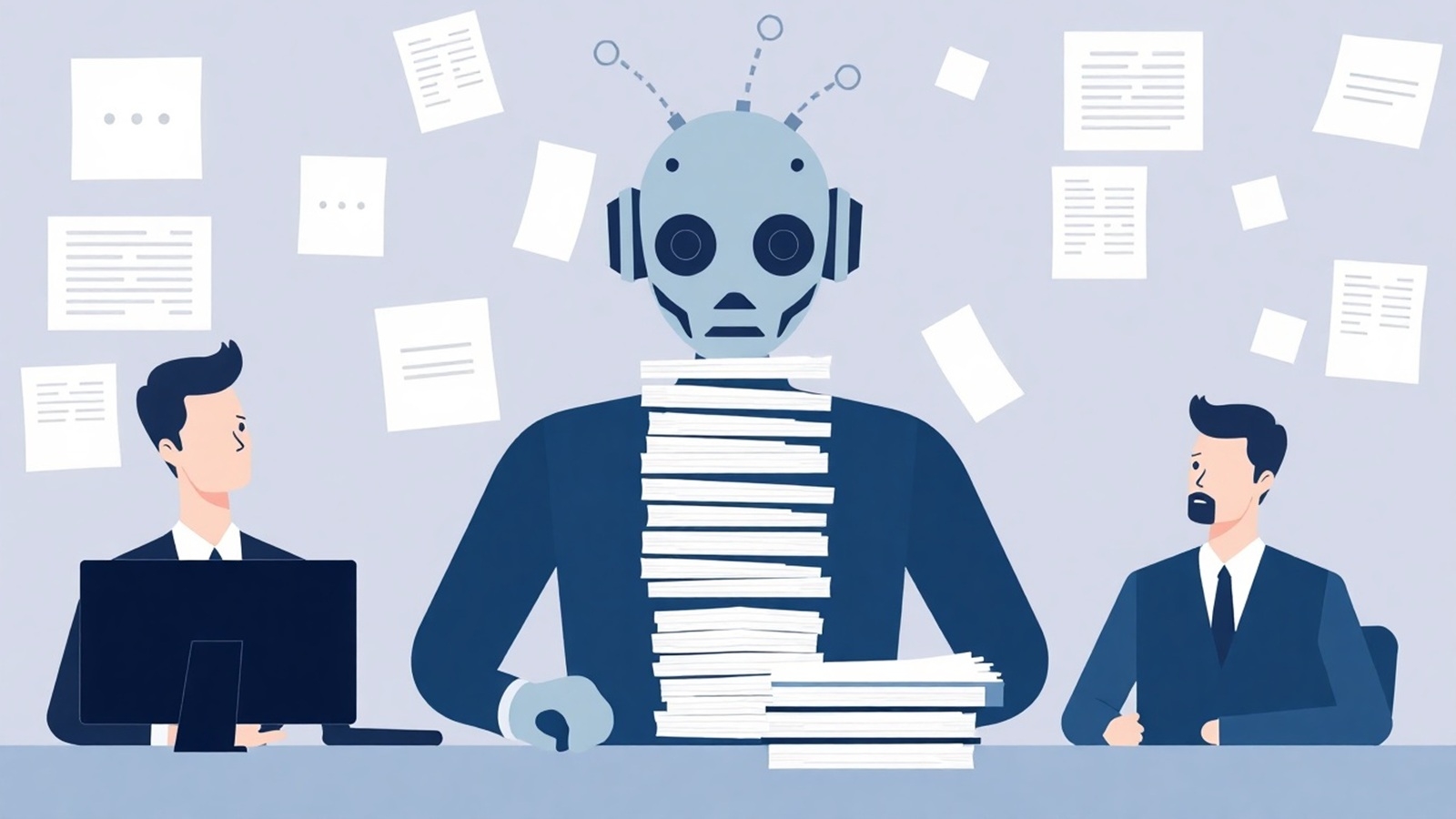
Far from slowing down the adoption of technology, this event could on the contrary accelerate the implementation of best practices and more robust verification tools.
Human validation ofartificial intelligence is not an option but an absolute necessity…still too often neglected. Firms will need to incorporate meticulous manual control steps, even if this seems to run counter to AI’s promise of productivity gains. Credibility is a much more valuable asset than time saved.
In what sensitive legal context did this failure occur?
To make matters worse, the mistake was not made in a minor matter. Sullivan & Cromwell represented liquidators in complex proceedings aimed at Prince Groupa conglomerate whose founder, businessman Chen Zhi, was accused by US prosecutors of running a vast network of fraud and forced labor in Cambodia, which allowed billions of dollars to be stolen from its victims.
The fact that erroneous information was presented in such a serious case adds further layer of seriousness to negligence. The credibility of the firm’s arguments was temporarily damaged, and the proceedings arguably lost valuable time due to the need to correct and resubmit documents.
A striking example of how the famous hallucinations IA can have very real and potentially devastating consequences in the physical world.