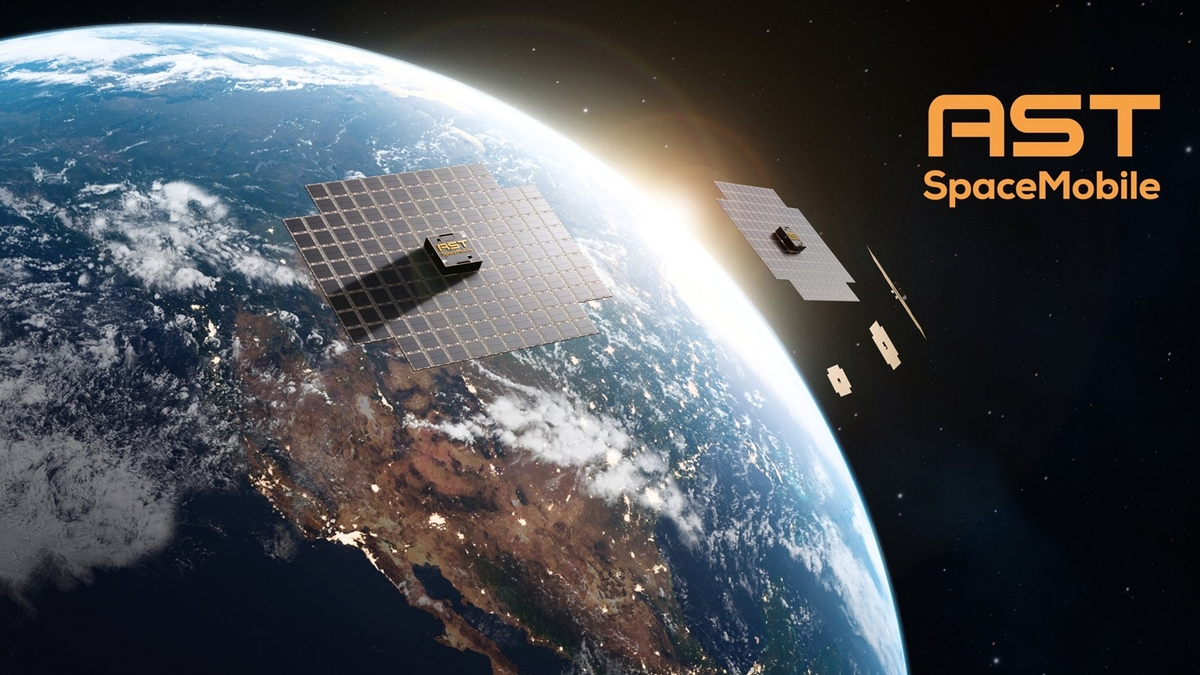
The third rocket mission New Glennoperated by Jeff Bezos’ company, experienced a major incident. The satellite Bluebird 7an essential link in the operator’s future constellation AST SpaceMobilewas released into an “extraordinary” orbit.
In short, much lower than the initial flight plan. The consequence is clear: the satellite was declared lost because it was unable to return to its working position, which triggered a shock wave on the financial markets.
This loss, although covered by insurance, caused a fall in ASTS shares and cast doubt on the reliability of Jeff Bezos’ launcher, a direct competitor to SpaceX.
What really happened with the AST SpaceMobile satellite?
The Bluebird 7 satellite did separate from the second stage of the New Glenn rocket, but at such a low altitude that its own thrusters were unable to compensate to reach a stable orbit.
The orbit is simply too low to support operations. The satellite will therefore be deorbited (controlled atmospheric re-entry procedure for destruction) and will burn up like an unwanted shooting star.
This incident highlights the extreme complexity of space launches. Even if the first stage of the rocket Blue Origin successfully landed for re-use, the main mission, which was to deliver its cargo safely to port, failed.
For the satellite of AST SpaceMobilethere is no no rescue plan possible. It is a dead loss of a strategic asset, even if the final bill will be paid by the insurers.
What are the financial and strategic consequences for AST SpaceMobile?
For AST SpaceMobile, the immediate impact was a drop in its stock of almost 10% at the opening of the markets. While insurance will cover the material cost of the satellite, the real damage lies elsewhere.
This setback seriously complicates the company’s ambitious goal of deploying a constellation of 45 communications satellites by the end of 2026. Every launch counts and this miss creates a hole in the schedule that will be difficult to fill.

However, financial analysts are trying to nuance the picture. The good news, so to speak, is that only one satellite was on board (even if it was a big one). Future missions with New Glenn could carry as many as eight, which would have made such a failure absolutely devastating.
Why is this failure a hard blow for Blue Origin and Jeff Bezos?
This failed mission is a serious dent in the credibility of Blue Origin and its New Glenn heavy launcher. After years of delays, Jeff Bezos’ company must prove it is a reliable alternative au Falcon 9 de SpaceXwhich dominates the market without sharing.
Each launch is scrutinized and this type of anomaly does not inspire confidence potential customers. It’s a scar on the shiny armor that society is trying to build for itself.
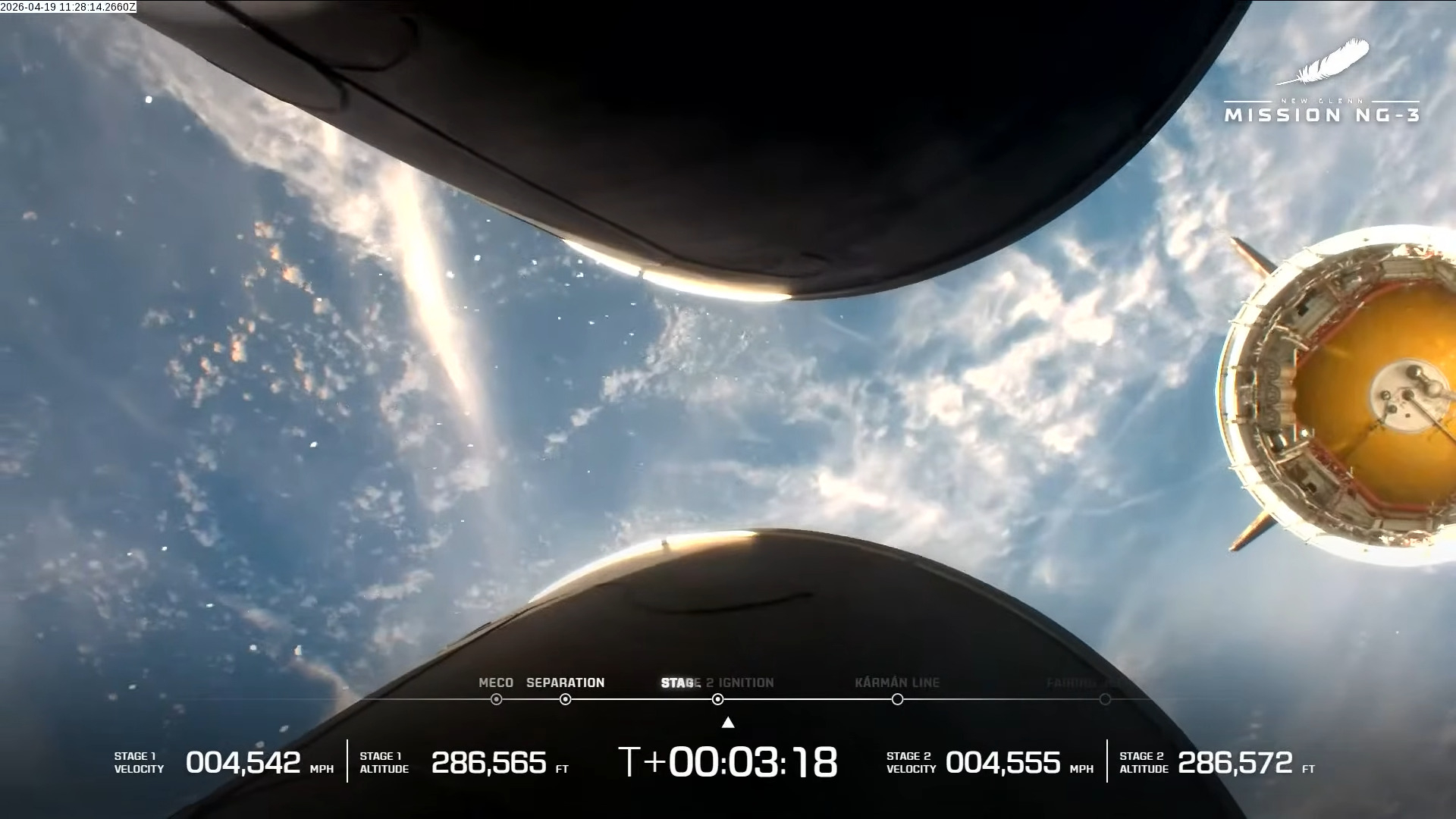
The company has been successful in recover your reusable first floora major technical feat. But it rings hollow when the payload, the reason for the shot, is lost.
The message sent to the market is ambiguous: Blue Origin masters part of the equation, but not yet all of it. There is still a long way to go to compete with the hellish pace and reliability proven by its direct competitor, Elon Musk.
How do the two companies see the future after this setback?
Despite the blow, the official speech is intended to be reassuring. AST SpaceMobile maintains its forecast schedule, with one launch planned on average every one to two months in 2026 thanks to agreements with several suppliers.
Satellites BlueBird 8, 9 et 10 would already be ready to ship. The company plays the card of resilience and diversification so as not to put all your eggs in one basket.
For his part, Blue Origin remained fairly discreet, contenting itself with a message on X (formerly Twitter) to acknowledge the anomaly. The stakes for Jeff Bezos are colossal: he must quickly demonstrate that New Glenn is a reliable platform.
The stock market performance of ASTS will directly depend on Blue Origin’s ability to no longer miss its shots. A marriage of convenience which could quickly turn into a crisis of confidence.