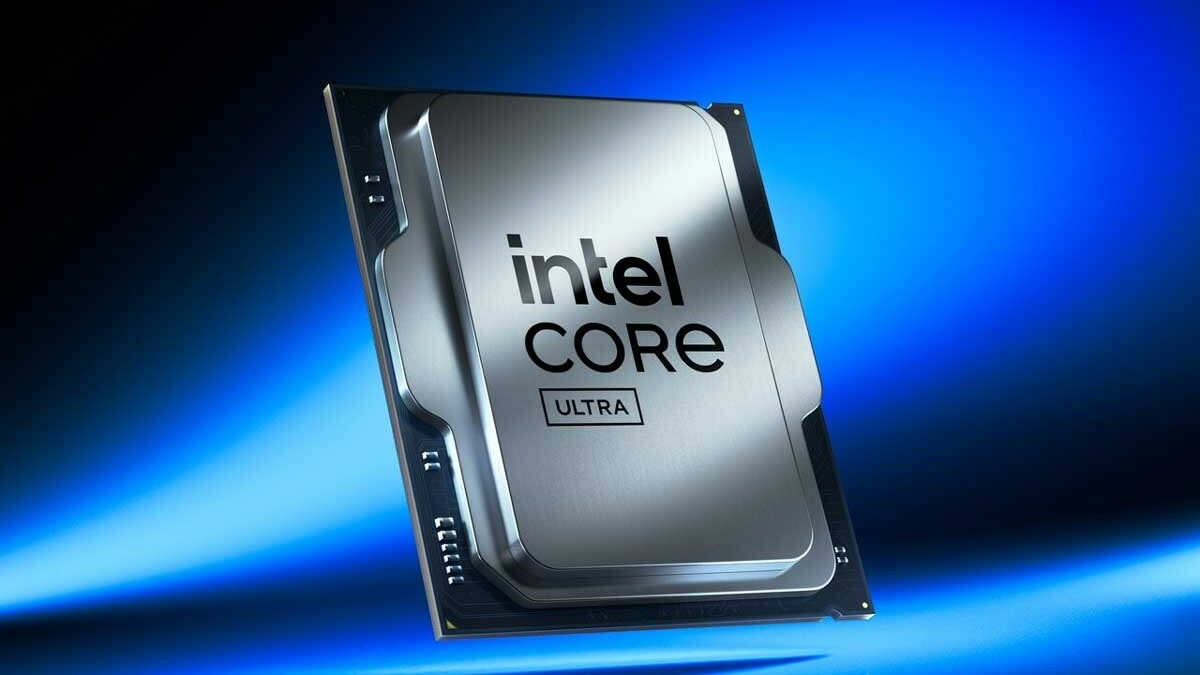
The high-tech sector is witnessing a tectonic shift. Faced with capacity limits of TSMCthe hitherto undisputed leader in chip foundry, leading players like Google and Nvidia are now very actively exploring a collaboration with its historic rival, Intel. This approach, which only recently seemed improbable, could well redefine the balance of power in an ultra-competitive market.
Why are AI giants seeking new alliances?
The insatiable appetite for chips dedicated to artificial intelligence puts a considerable pressure on global production chains. The main supplier, TSMC, is struggling to keep up with the frenetic pace imposed by its largest customers. This saturation creates a real bottleneck, threatening the roadmaps of many technology companies, including titans like Google.
For companies that rely on their own specialized chips, like Google’s TPUs, or GPU leaders like Nvidia, this excessive dependence to a single supplier has become a major strategic risk. The quest for a second reliable manufacturer is no longer a simple option, but a real necessity to secure their growth and maintain their competitive advantage.
What is the scale of this emerging commitment?
The discussions have clearly gone beyond the simple prospecting stage to enter a very concrete phase. According to sources close to the negotiations, Google has already placed a firm order with Intel. This would relate to the production of more than three million of its TPU chips (Tensor Processing Units), with delivery scheduled for 2028, which demonstrates a asserted confidence.
For his part, Nvidia carefully evaluates the technical capabilities of its potential new partner. The analysis focuses in particular on the technologies ofadvanced encapsulation (advanced packaging) and on Intel’s state-of-the-art 18A etching process. This evaluation is a critical step before considering the production of future generations of its graphics chips.
What are the implications for the entire industry?
This merger represents a golden opportunity for Intel. The company, which has gone through difficult years, finally sees its strategy of becoming a leading foundry (a manufacturer on behalf of other companies) validated at the highest level. Attract customers of this caliber massively strengthens its credibility and its position against the Taiwanese giant TSMC.
For the market as a whole, the emergence of Intel as a credible alternative could introduce a healthier competitionpotentially beneficial for prices and the pace of innovation. More importantly, it diversifies global supply chains of semiconductorsthus reducing the concentration of geopolitical risks and industrialists in a single region of the globe.