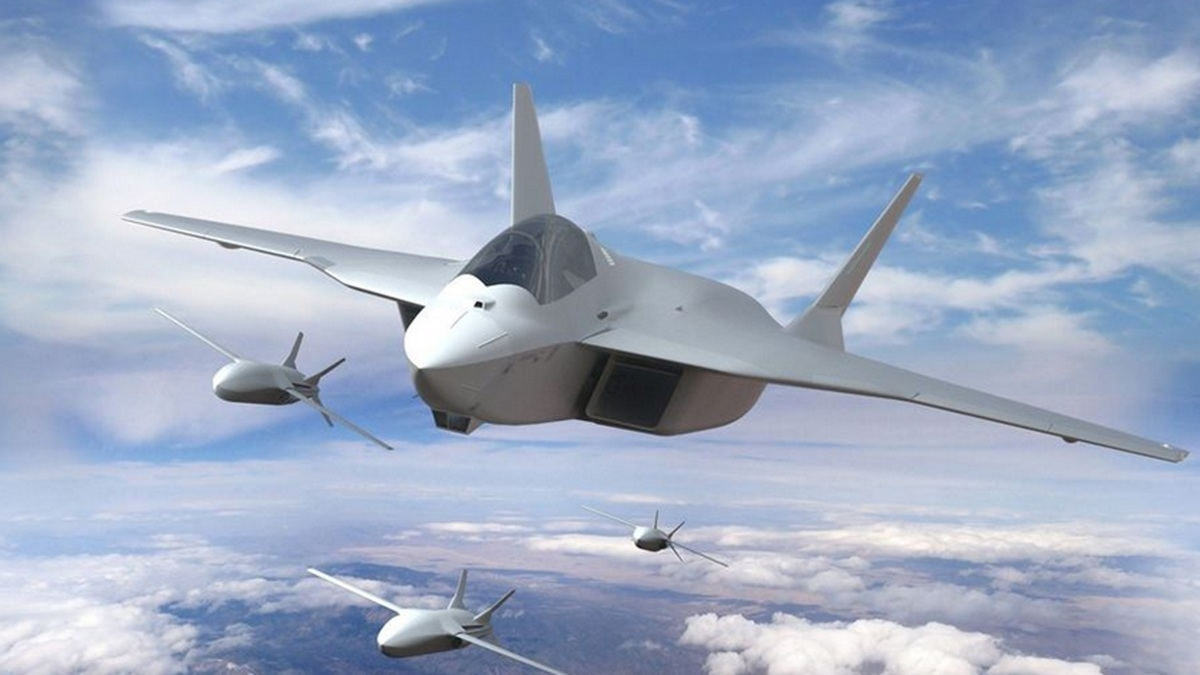
It’s the end of the ball for the most ambitious European military program. Announced jointly by Berlin and Paris, the termination of the project SCAF (Future Air Combat System) was confirmed by the German Chancellor Friedrich Merz and the French president Emmanuel Macron.
Launched in 2017 to replace the Rafale and Eurofighter by 2040, this “system of systems” was to embody the technological and military sovereignty of the continent.
Instead, it becomes the memorial of aborted cooperation, the victim of a war of industrial egos. The project, which also included Spain, got bogged down in leadership disputes which ultimately overcame political will.
Why was the SCAF project abandoned?
The official reason for stopping the program is a total industrial blockagea real dialogue of the deaf between the two pillars of the project. The root cause lies in irreconcilable disagreements over governance between the French project manager, Dassault Aviationand the giant Airbuswhich represented German and Spanish interests.
Dassault refused to see its leadership diluted in co-management deemed ineffective, while Airbus refused the status of simple subcontractor on a program of such magnitude.
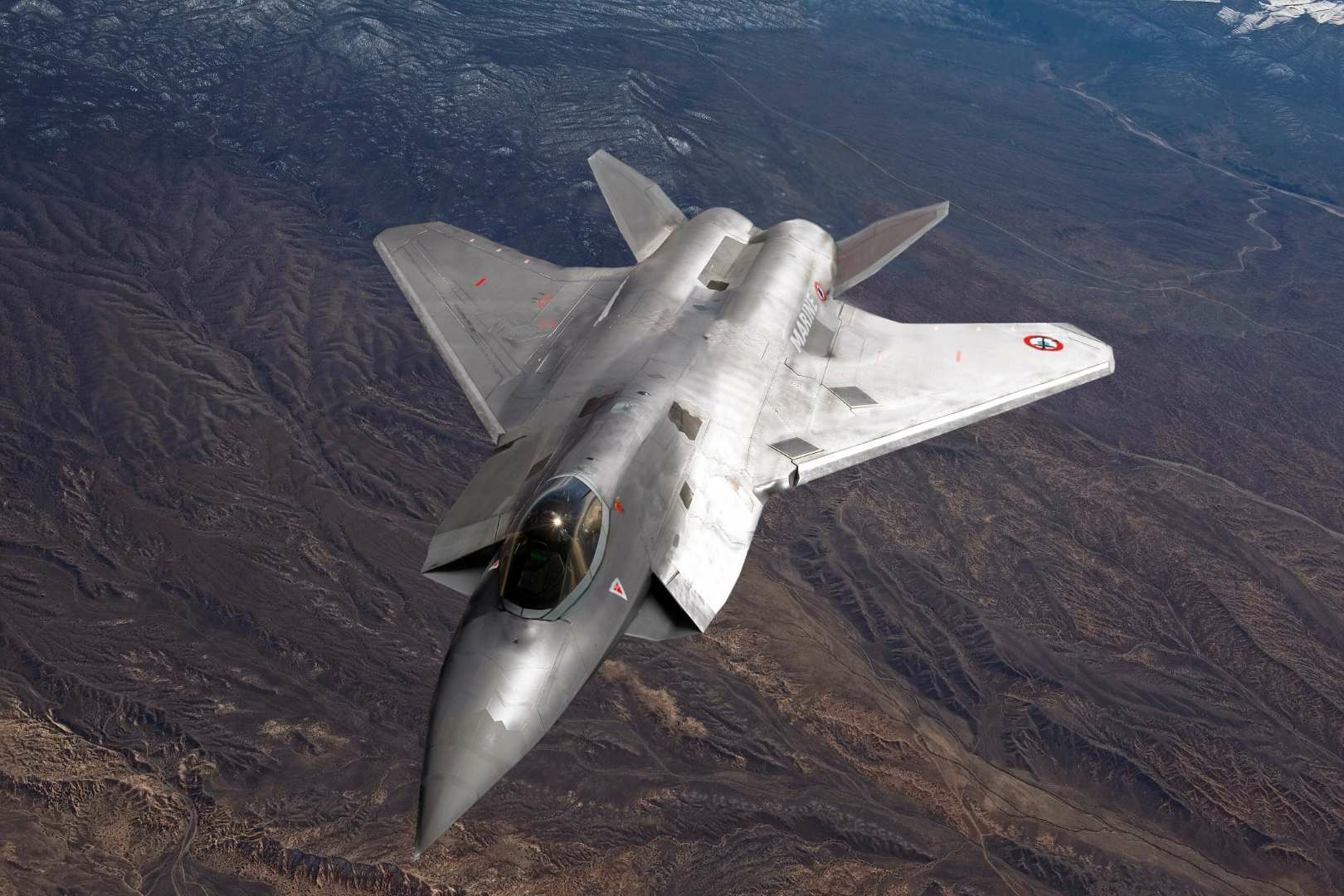
Certain aspects, such as the Navy version of the SCAF wanted by France for its aircraft carrier, were also contested, having little interest for Germany.
This standoff paralyzed all progress, preventing the launch of the design phase of the demonstrator (the prototype aircraft). The German authorities ultimately estimated “ that it was not possible to press companies further », noting the failure of multiple attempts at reconciliation.
What are the consequences of this failure for European defense?
The abandonment of the project is a hard blow to the concept of strategic autonomy and to the credibility of the European defense. This program was to be proof that Europeans could develop the most critical technologies together without depending on the United States.
Its failure sends a signal of division and inability to overcome internal rivalries, even on projects deemed vital. The image of the Franco-German couple, the driving force behind European defense, is seriously damaged.
For many observers, this failure marks the end of a certain naivety. The idea of perfectly balanced cooperation on a fighter plane of this complexity now seems a chimera.
Each country will probably fall back on national solutions or contingency alliances, potentially smaller and less ambitious, further delaying the renewal of air fleets and weakening the continent’s industrial base.
What future for combat aviation in France and Germany?
The paths of Paris and Berlin suddenly separate. Germany has wasted no time and already seems focused on the future. As soon as the announcement of the abandonment was made, German industry drew up its plan B: an alliance called Team Gen 6.
Bringing together giants like AirbusHensoldt or even MTU Aero Engines, this consortium declares itself ready to develop a new device in partnership with other European actors, but with clear German leadership.
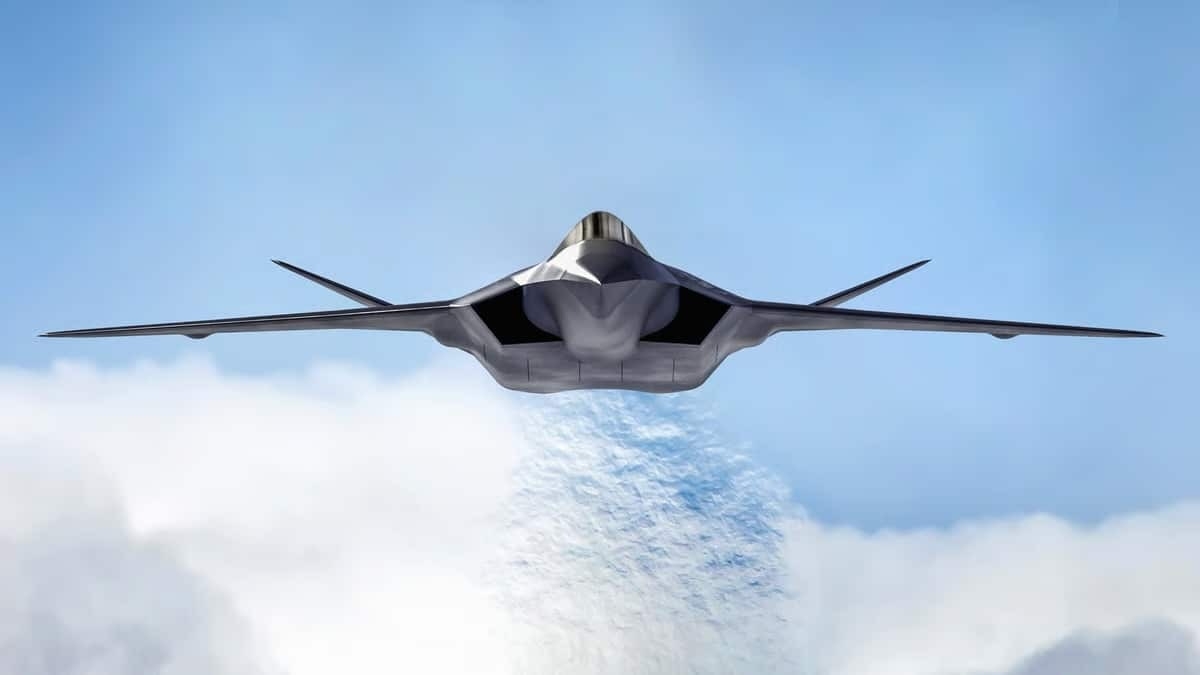
For France, the equation is more complex. Dassault Aviation will have to consider alone, or with new partners, the successor to the Rafale. The risk is to find yourself isolated and having to finance an extremely expensive program using your own resources alone.
The end of SCAF opens a period of major strategic uncertainty for the French defense industry, which was banking heavily on this collaboration to ensure its long-term future.
Is all really lost in the SCAF program?
The project’s autopsy reveals that if the body, that is, the fighter plane itself, is dead, its “nervous system” could survive. THE SCAF was thought of as an interconnected “system of systems”.
One of its most innovative pillars was the development of a battle clouda secure digital network connecting aircraft, drones, satellites and ground units in real time.
Berlin insisted that this part of the project be continued. The idea would be to focus on this common digital interface, which could ultimately connect different types of European devices, even if they do not come from a single program.