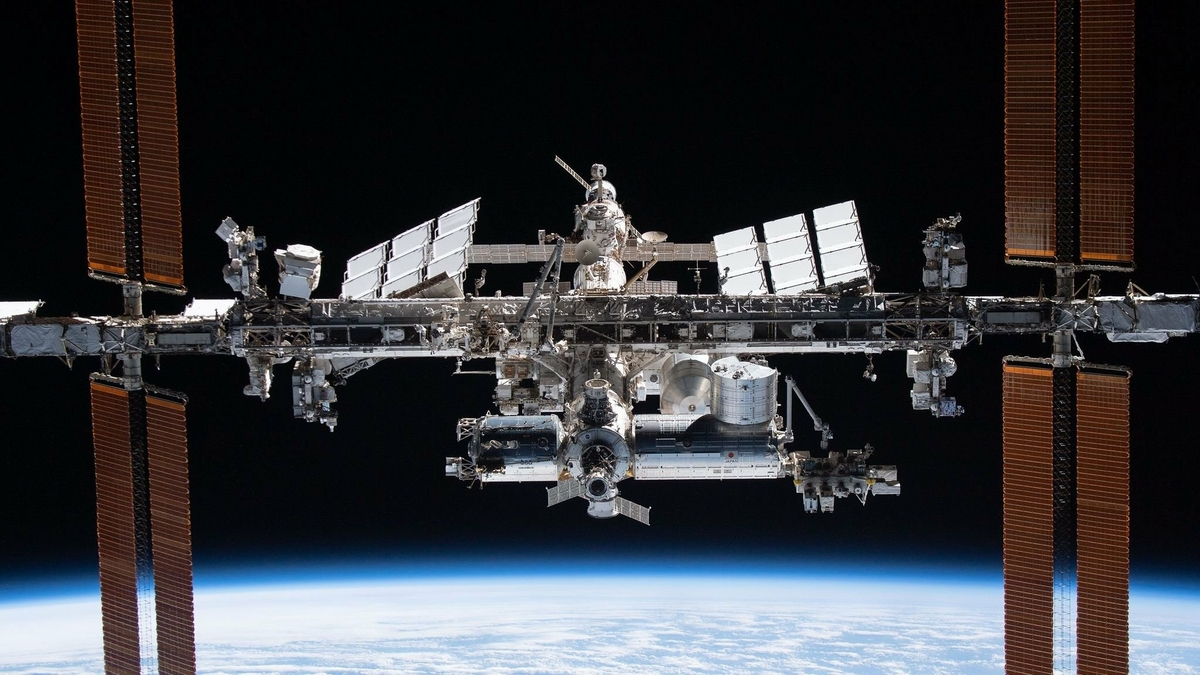
The International Space Station, this 440 ton giant which has been floating over our heads for decades, has an official expiration date. To ensure that its descent does not turn into a disaster, the American space agency has launched a call for tenders for the design and manufacture of a “US Deorbit Vehicle”. In short, a cosmic tug boat responsible for guiding the behemoth towards its aquatic grave, in the most isolated area on the planet: Point Nemo.
Why not just leave it in orbit?
The idea is attractive, but totally irresponsible. Leaving the station adrift would be playing Russian roulette with debris the size of a football field. Earth’s gravity is a patient but relentless force, and without regular course corrections, the station would eventually fall chaotically. The juggernaut of space conquest, the NASAcannot take this risk.
We must also face the facts. The truth is that theISS is aging. Its systems are exhausted, its maintenance costs a fortune and its technology, although modernized, is basically from the 90s. Extending its life would be a money pit and an increasingly risky technical bet. His retirement is a decision of reason.
What is the exact plan for this final maneuver?
The scenario is worthy of a science fiction film. Once built, the deorbit vehicle will be launched to dock with the station. This process of decommissioning controlled is a monumental technical challenge. It is not a question of simply pushing the station, but of orchestrating a ballet orbital with surgical precision, using the tug’s thrusters to brake everything and initiate a descent calculated to the nearest meter.
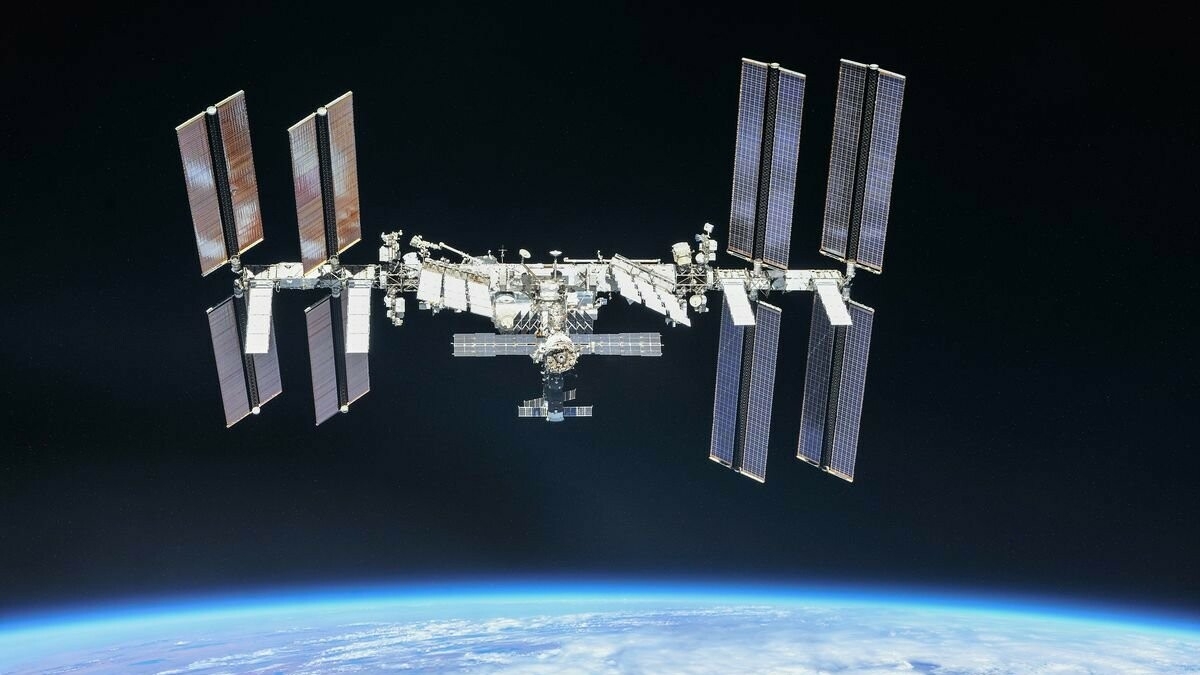
The final destination is a cemetery well known to space agencies. A specific point of theOcean South Pacific, nicknamed Point Nemo. It is the place on Earth furthest from any land surface, a deserted area chosen specifically to damage spacecraft at the end of their life. The aim is to guarantee zero risk for populations and land infrastructure.
What are the implications of this planned end?
This operation marks much more than the simple end of equipment. It is the symbol of a major transition in space exploration. There scheduled end of the station is the signal that the future of low orbit now belongs to private sector. NASA is changing hats, going from owner to simple tenant of the future commercial stations which will take over. A radical change in philosophy.
And then there’s the cost. A colossal budget. For a demolition operation. The development of this single-use vehicle could cost up to a billion dollars. To think that we are going to spend such an amount for a machine intended to sink a project which cost more than 150 is quite dizzying. This is the price you pay for cleaning up properly after decades of loyal service in orbit.
Frequently Asked Questions (FAQ)
When will the ISS be decommissioned?
The current firing window is set for around 2030. The precise date will depend on the time required for the selected private partner to develop, build and launch the deorbit vehicle.
Where exactly will the ISS crash?
It will crash into the Uninhabited Zone of the South Pacific Ocean, a place known as Point Nemo. It is the furthest point from any land, used as a “graveyard” for end-of-life spacecraft to ensure safety.