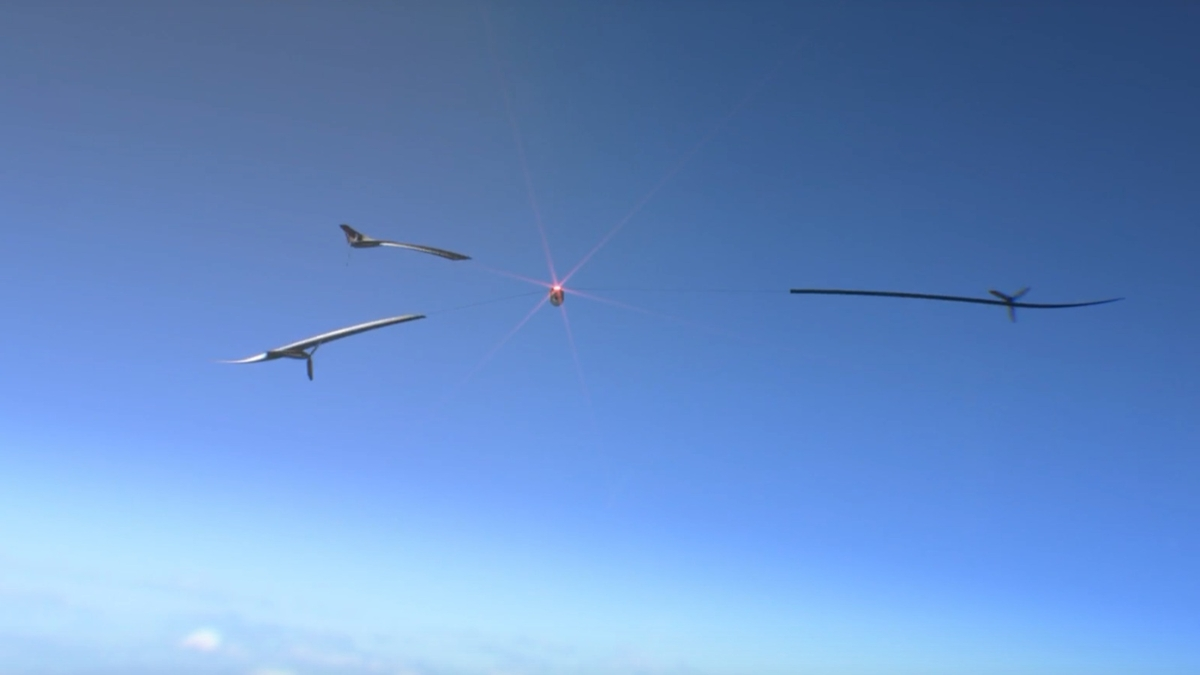
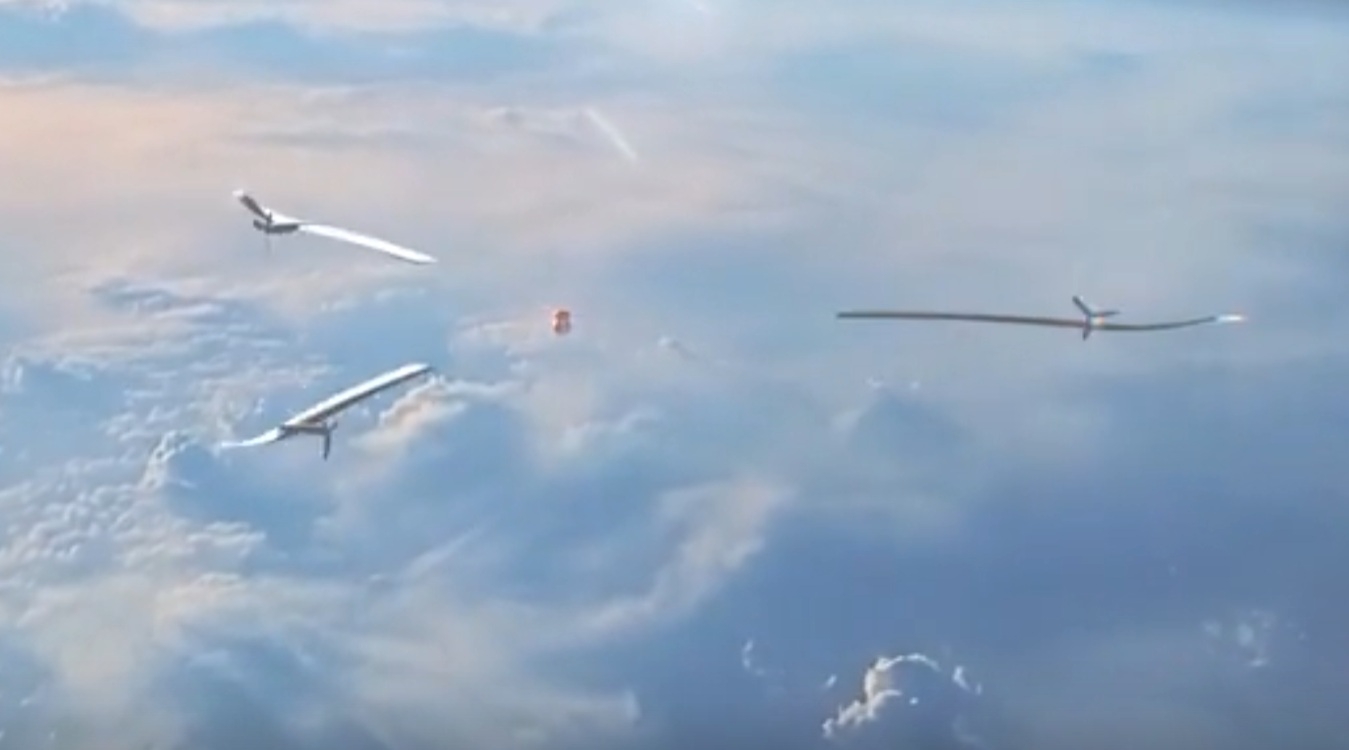
The French solar drone Helibladesdesigned by the company x721founded by former engineers from Airbus and Arianespace, successfully completed its first flight in New Aquitaine under the supervision of the Directorate General of Armaments (DGA).
This ultralight aircraft (less than 4 kg for 18 m wingspan) aims to ensure surveillance missions from several months to more than 20 km above sea levele for the French armies by 2030, offering a flexible and economical alternative to satellites.
Its purpose is to patrol the Very High Altitude (THA), this atmospheric layer between 20 and 100 kilometers, for months without interruption. The project should provide France with a permanent eye over conflict zones and territories of interest.
What is the Heliblade drone and why is it so special?
The Heliblade drone is a stratospheric pseudo-satellite (HAPS – High Altitude Permanent System) whose architecture defies intuition. It looks neither like a plane nor a classic helicopter.
The machine is a technology demonstrator composed of two immense rotating wings with a total wingspan of 18 meters. The secret of its stability lies in a physical trick: its structural rigidity is ensured not by heavy materials, but by the exploitation of forces centrifuges generated by the rotation of the wings.
This daring concept allows it to display a mass of less than 4 kilograms on the scale. Powered exclusively by solar energy captured by its wings, it is designed to fly for several months in the stratosphere, an area where sunshine is constant and weather disturbances are almost non-existent.
Capable of carrying a payload of 10 kilosthis drone is a true feat of engineering. Its first flight, although limited to low altitude (15 then 25 meters), validated the maneuverability and stability of the concept, a decisive step for the rest of the project.
What missions is the Heliblade intended for?
The Heliblade is designed as a versatile platform from high altitude. For the Ministry of the Armed Forces, the challenge is to have a permanent and reactive surveillance capacity.
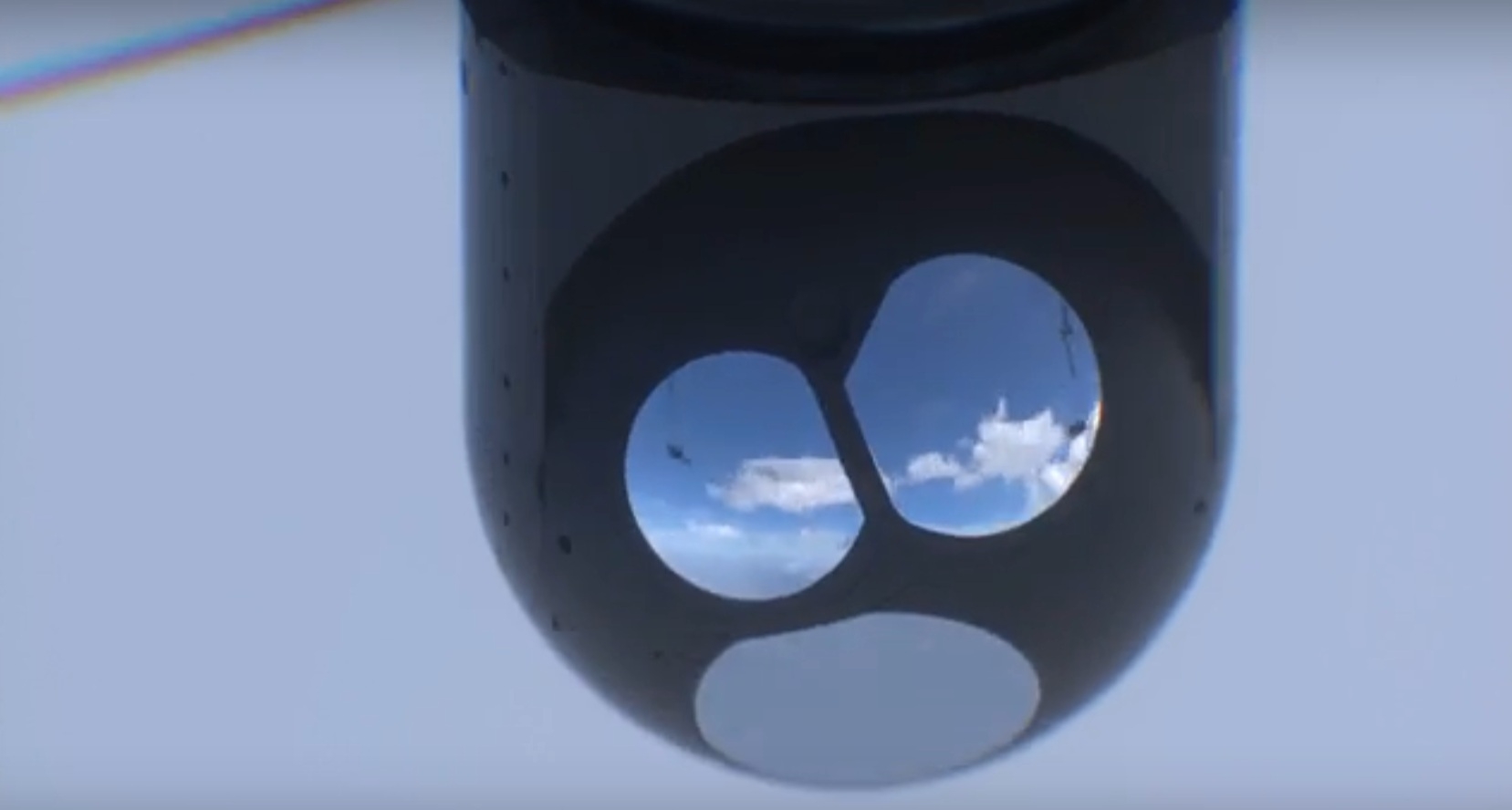
The drone will be capable of carrying out intelligence, observation and electronic eavesdropping missions, while detecting troop movements or missile departures.
Its position, much closer to Earth than a satellite, offers better resolution and greater persistence over a given area, making it a tool of first choice for military surveillance modern.
But its applications do not stop at the military domain. On a civilian level, the Heliblade could prove to be a valuable ally. He would be able to very quickly identify the outbreaks of forest fires over vast territories or to monitor critical infrastructure.
In the event of a natural disaster, it could be deployed to serve as a telecommunications relay emergencyin order to restore communications above a disaster area. It thus fulfills part of the satellite missions, but with increased flexibility and much lower costs.
Why is France investing in Very High Altitude?
France is investing massively in Very High Altitude (THA) because this gray zone, too high for planes and too low for satellites, is about to become a new strategic space.
The Chief of Staff of the Air & Space Force describes it this way because it is not subject to any clear international regulations, which makes it an area of potential conflict.
It is through this layer that the future passes hypersonic gliders and this is where espionage platforms, as the “Chinese balloon” affair in 2023 showed, can operate discreetly.
Faced with this new situation, the Ministry of the Armed Forces has unveiled a specific strategy in 2025 aimed at monitoring and acting in this space. The Heliblade project is part of this logic, alongside other programs such as the maneuvering balloon BALMAN or the airship Stratobus.
The objective is not to leave this field open to other powers and to control the entire spectrum, from earth to space. The use of a solar drone as the Heliblade is therefore an agile and economical response to mark the French presence in this new race towards the summits.