Execution is no longer the hard part. n Understanding is.
AI has collapsed the cost of building, shipping, and iterating. n Code is faster. n Content is instant. n Decisions are suggested before we even ask for them.
On the surface, this looks like progress.
Underneath, it changes what actually breaks.
Not the system. n The meaning inside it.
Everyone talks about scaling execution. n Few design for shared understanding.
That gap is where most modern product failures now live.
The First Myth We Still Carry
Myth: n If the system works, people will understand it.
This used to be mostly true.
When execution was expensive, teams had to slow down. n They talked things through. n They argued. n They documented. n They aligned.
Friction forced meaning to form.
AI removes that friction.
Execution speeds up. n Understanding doesn’t.
The Stack Has Changed
Most teams still think in a simple pipeline:
Intent → Build → Ship
That model no longer holds.
AI didn’t just accelerate execution. n It quietly inserted a layer most teams aren’t designing for.
Here’s the shift.
Traditional Product Stack
-------------------------
Intent
↓
Build
↓
Ship


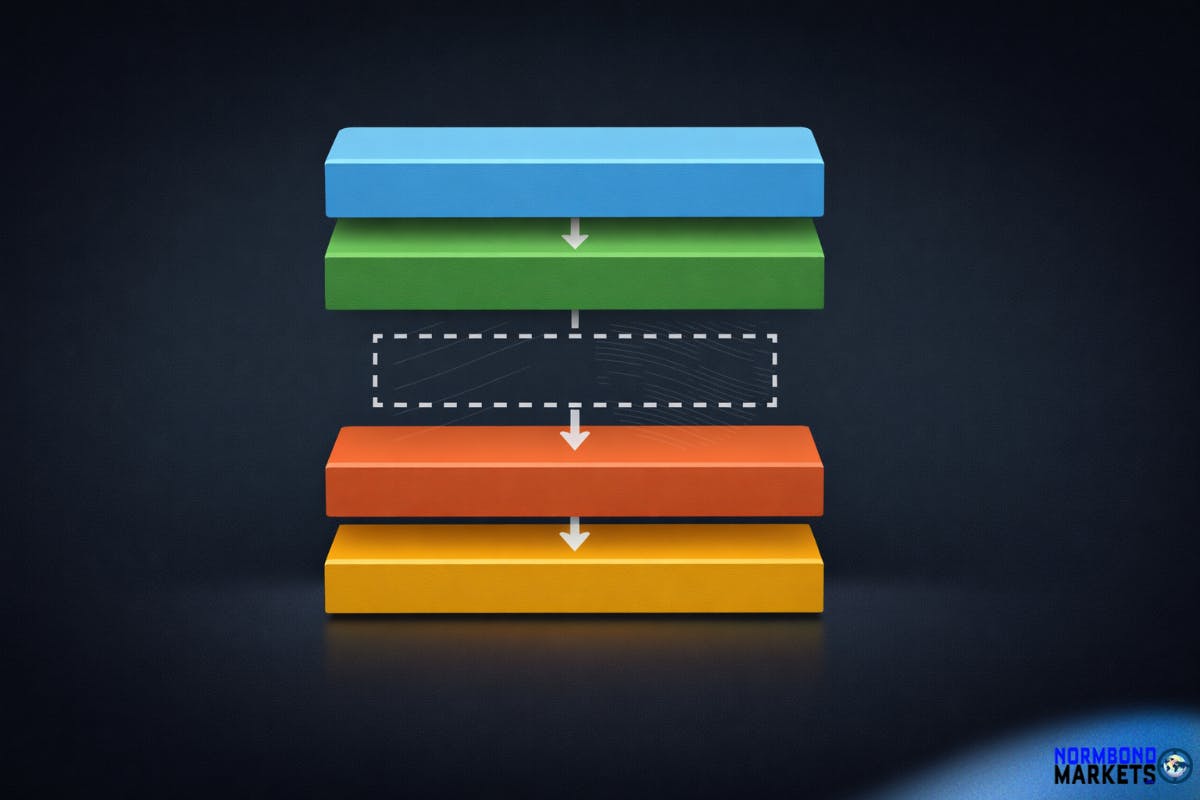
AI-Accelerated Stack
--------------------
Intent
↓
Agent Output
↓
Interpretation   ← (often undefined)
↓
Decision
↓
Action
Most teams design everything above and below this Interpretation layer. Almost none are designed for the layer itself.
Interpretation Debt (The Quiet One)
Think of this as tech debt’s quieter cousin.
Not broken code. n Broken meaning.
Interpretation debt accumulates when:
- output moves faster than shared context
- intent lives in people’s heads instead of systems
- decisions rely on assumptions no one recorded
Nothing crashes.
Things just get heavier.
A Small Case That’s Becoming Common
A product team automated most of their roadmap with AI. n Velocity doubled. Releases went out weekly. Nothing was technically wrong.
- But demos needed more explanation every month.
- Partners used the product in unexpected ways.
- Pricing discussions stalled even as metrics improved.
The system worked, but only for people who already understood it.
What’s Actually Missing
Most teams don’t lack intelligence. n They lack places where meaning can settle.
What people call “interpretation infrastructure” isn’t a tool or a process. n It’s the invisible structure that keeps understanding stable as output accelerates.
You only notice it when it’s gone.
Intent Lives Outside People’s Heads
In healthy systems, intent isn’t tribal knowledge.
It’s not:
- What the founder meant
- What the PM remembers
- What was decided last quarter
Intent is encoded just enough that someone
can trace why something exists —
not just how it works.
When intent stays locked in people, interpretation fractures the moment speed increases.
Decisions Have a Memory
Most teams record outcomes.
Few preserve decision logic.
In systems that don’t drift, you can usually tell:
- Which tradeoffs were intentional
- Which assumptions were provisional
- What constraints mattered at the time
This creates continuity.
So when conditions change, teams adapt without rewriting history or breaking trust by accident.
Language Is Treated Like an Interface
Strong teams are careful with words.
Not poetic. n Precise.
They notice when:
- “user” means different things to different teams
- “Success” shifts depending on the room
- “Done” doesn’t actually mean done done
They stabilize language for the same reason engineers stabilize APIs.
Unstable language creates unstable systems.
Misunderstanding Has Somewhere to Go
In functional systems, confusion isn’t suppressed.
It has a place to surface.
Not Slack chaos. n Not side conversations. n Not hallway debates.
But intentional spaces where assumptions can be challenged and interpretations compared.
Without those pressure valves, confusion doesn’t disappear.
It leaks into execution.
The System Can Speak Without the Founder
This is the clearest signal.
When interpretation infrastructure exists,
the system explains itself.
Demos don’t rely on narration. n Docs don’t require footnotes from leadership. n Partners don’t “misuse” the product.
Not because everything is obvious, but because meaning has been externalized enough to travel.
When the founder must always translate, the system isn’t finished.
The Second Myth (And the More Dangerous One)
Myth: If nothing is broken, the system is healthy.
Truth: Systems fail quietly long before they fail visibly.
The early warning signs aren’t bugs or outages. n They’re rising interpretation variance.
When different people can’t confidently explain what the system is doing, n Or why has the failure already started?
Where This Leaves Builders
Execution is no longer the hard part.
That shift already happened.
What’s harder now is keeping meaning intactas everything else accelerates. n As agents produce faster. n As teams get leaner. n As systems outpace the humans who once held them together.
The teams that hold up under this pressure won’t feel faster. n They’ll feel clearer.
Because when execution becomes cheap, understanding becomes the load-bearing layer. n And the systems that survive won’t be the ones that move the quickest. n They’ll be the ones that still make sense when no one is in the room to explain them.
That’s the architecture that matters now.
n
n
n
n
n
n
n
n
n
n
n
n
n