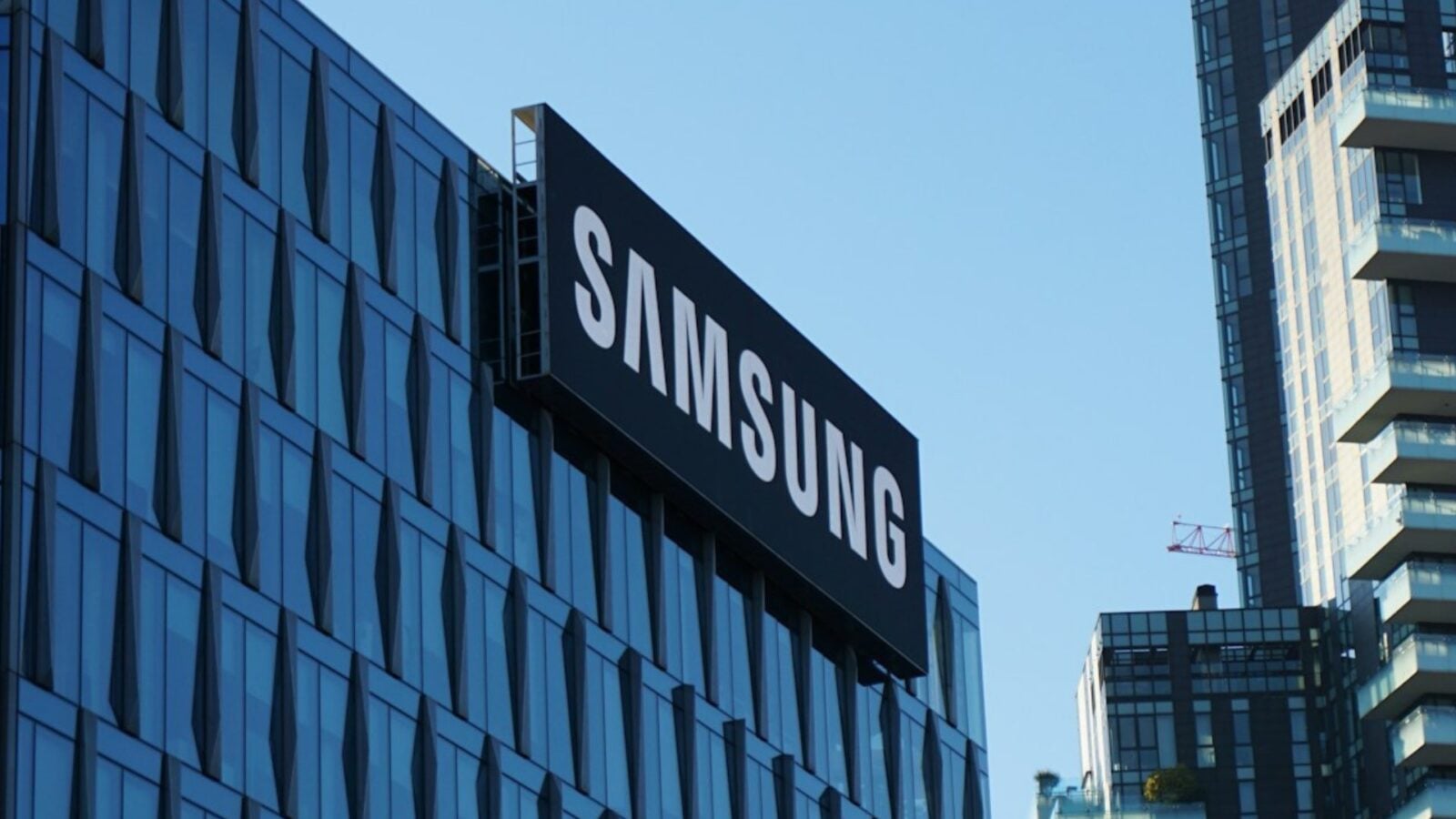
The union is threatening an 18-day general strike starting May 21 if its demands for bonuses and salary increases are not met.
While Samsung Electronics recorded profits of $33 billion in the first quarter of 2026, more than 40,000 employees left their workstations for several hours. In the process, the union announced an 18-day strike if its demands are not met.
A work stoppage and potential 18-day general strike
The situation is tense at the Samsung Electronics semiconductor complex in Pyeongtaek (South Korea). Last Thursday, April 23, no less than 40,000 Samsung Electronics employees left their jobs from 10 p.m. to 6 a.m. (local time). Thousands of them gathered on the site to make their demands heard with slogans and signs. At the same time as this work stoppage, the unions announced their intention to begin a general strike of 18 days from May 21, 2026 if their demands are not heard.
These demands fall within the framework of 33 billion dollars of profits made by Samsung Electronics during the first quarter of 2026 alone. The union is therefore calling for the removal of the salary cap linked to performance so that workers can also benefit from the growth linked to the rapid development of artificial intelligence. The union is also demanding that the company convert 15% of the memory division’s operating profit into performance bonuses for union employees. Furthermore, salaries and bonuses would be lower compared to certain competitors like SK Hynix. At the time of writing, no agreement has been reached, but negotiations are underway.
A strike that comes at the worst time
Samsung’s semiconductor factories operate 24 hours a day, on a three-shift basis. A work stoppage by one of these teams has an impact on the entire factory. According to the union, the strike which took place from 10 p.m. to 6 a.m. caused semiconductor production to drop by 58 %. Memory chip production fell by 18%. If the 18-day strike announced by the union actually takes place, the entire global supply chain will be affected. The union also estimated that this strike would cost Samsung Electronics $578 million per day. In full shortage RAM and SSDthis situation is cause for concern.
Furthermore, if no agreement is quickly reached, some Samsung Electronics customers could be tempted to build up stocks in order to avoid any shortage situation due to this potential 18-day strike. The market prices of these components could therefore increase further…
👉🏻 Follow tech news in real time: add 01net to your sources on Google, and subscribe to our WhatsApp channel.
Source :
Samsung sees major drop in chip production due to worker strike