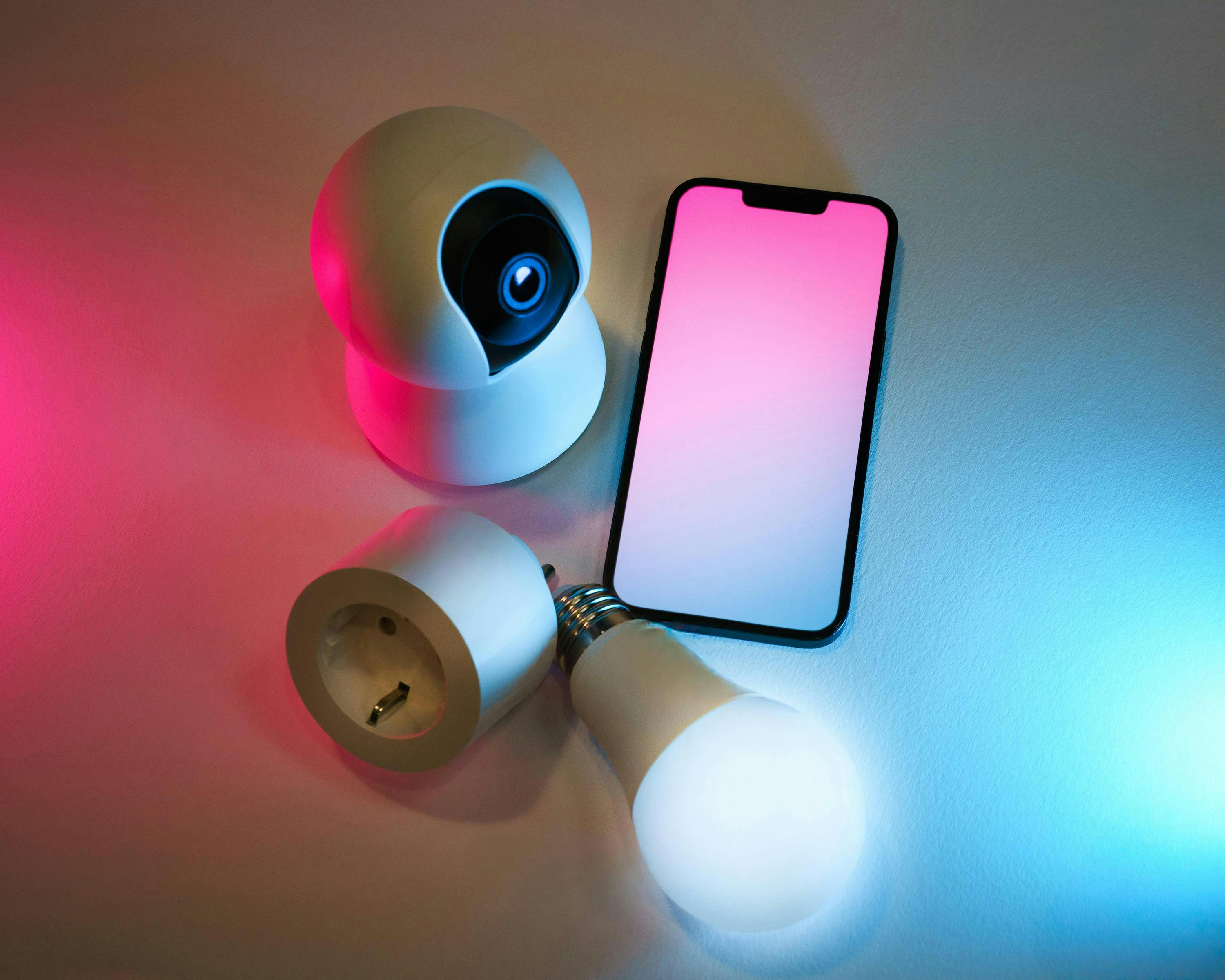
For nearly a century, Motorola has been a notable pioneer of communications (producing the first-ever handheld cell phone). As with any tech giant, it’s easy to rest on laurels. However, as of late, Motorola has been allocating resources to smart home security. This innovation and adaptation reflect a broader shift toward device interconnectivity.
As homes become smarter, the need for safe and reliable IoT (Internet of Things) devices grows stronger. This expansion isn’t just a money grab for the next best gadget. Motorola seeks to meet the rising demand for this sort of technology while addressing secure surveillance solutions that fit into our increasingly digital lifestyles.
From Mobile Pioneer to IoT Innovator
Motorola is next in line to push IoT innovation by responding to how connected technology is actually being used today. Tech enthusiasts are looking for robust smart home surveillance systems, environmental sensors, and smart hubs that can share a stable connection with built-in security features.
Old IoT had some pitfalls: mainly surrounding product updates (the lack thereof) and security vulnerabilities (hacking and unencrypted data transfer). Modern IoT is moving further away from experimental smart devices and really digging into systems that work in tandem, having security as its base infrastructure.
Understanding Infrastructure
Innovation doesn’t stop at hardware. Behind the scenes, infrastructure like cloud-based hosting plays a vital role in adaptation. Tech companies have a responsibility to build, deploy, and maintain safe IoT devices. For developers and IT specialists, understanding this backbone is essential, as it ensures devices remain responsive and secure in real time.
Are they getting it right, or are they just prematurely jumping on the bandwagon? For Motorola, expanding into IoT is a practical extension of its experience with connected hardware rather than a departure from it.
The brand’s security and surveillance product family offers devices designed to work smoothly with connected environments. These products solve a conflicting problem: develop high-grade security with easy-to-use controls. Customers are seeking both reliable performance and devices they can easily manage themselves.
Thus, by leveraging its mobile technology roots in simple interfaces and embracing the new digital era, Motorola is carving out a meaningful place in the smart home security industry.
Why Smart Home Security Matters Now
Smart homes don’t appeal to homeowners just to complete a fancy tech list. There are plenty of practical reasons why demand is still growing:
- Traditional security systems are cumbersome and restrictive. Customers find old solutions less attractive due to long-term commitments, the need for professional installation, and limited customization options. Plus, users want easy smart device troubleshooting to handle issues as they arise without having to hire someone.
- Smart-everything is now a standard. People have come to expect real-time alerts, live video, and remote access as basic features, not premium add-ons.
- Living patterns have changed. Remote and hybrid work mean homes are occupied more often, but not always predictably, increasing the need for remote visibility and monitoring.
- Package theft and breaking-and-entering persist. Despite tech advances, crime still happens, especially in homes with weak surveillance. Having extra security is a simple, low-cost deterrent that can also help ID criminals.
- Control and data ownership matter more. With all the leaks going around, consumers are more protective of their data. They want to manage access, storage, and privacy on their own terms.
Features and Considerations in Motorola’s IoT Security Products
As with any security system, the solution must integrate seamlessly with daily life and execute on all deliverables, if they are to remain competitive. And that’s just what they do:
- Wi-Fi connectivity with real-time alerts. All security and surveillance models send notifications to the user’s smartphone app when events occur, keeping users aware without constant checking.
- Intelligent notification systems. Systems combine motion/shock/tamper detection with alerts and reminders so users stay informed about activity that matters.
- Remote open and control. Users can lock or unlock safes and doors remotely via the app, making access convenient while maintaining security.
- Physical security and installation flexibility. From heavy construction and mounting options to no-tool flexible installation, Motorola’s security devices adapt to varied home setups and needs.
- Two-way communication with audible/visual alerts. Built-in alarm, and audio or visual indicators help ensure that anyone nearby is made immediately aware of key security events.
- Recording and audit trails. Cameras and connected sensors capture footage or event logs for later review, and safes record access events so users can audit activity history.
- App-based monitoring dashboard. A centralized interface puts live feeds, recorded events, system status, and settings within reach on phones and tablets.
- Secure cloud and local data options. Users choose how and where recordings, alerts, and logs are stored, in accordance with their own privacy and retention preferences.
Addressing Privacy Concerns in Smart Home Surveillance
Motorola prioritizes privacy through device and network safeguards. The goal is to minimize unnecessary data exposure by limiting what data is sent to the cloud, in accordance with clear and transparent privacy policies. Ultimately, users have control over their data, and data that is in transit is end-to-end encrypted.
Motorola also treats the home network as the first line of defense. With self-monitoring and backup codes, users are alerted to potential threats across all of their connected devices. Users can also delegate access securely to people they trust, further strengthening home security.
These combined philosophies help balance effective surveillance with respect for personal privacy.
Securing Tomorrow with Motorola
Amidst talk of IoT security and smart home surveillance, consider what it means for families and their safety. Tech companies should always prioritize ease of setup, privacy, and regular software updates to keep devices secure.
Tools like Lenovo’s Rescue and Smart Assistant and community resources, such as Motorola Rescue and Smart Assistant forums, help the common man maintain device health and troubleshoot issues effectively.
The future of home security and Motorola’s role is clear: pivot to delivering high-grade, reliable, user-friendly surveillance solutions that anybody can operate and maintain on their own. This decision is a guided one, backed by years of experience and a deep understanding of consumer preferences.