How Enterprise Teams Are Using AI Agents in Production Today
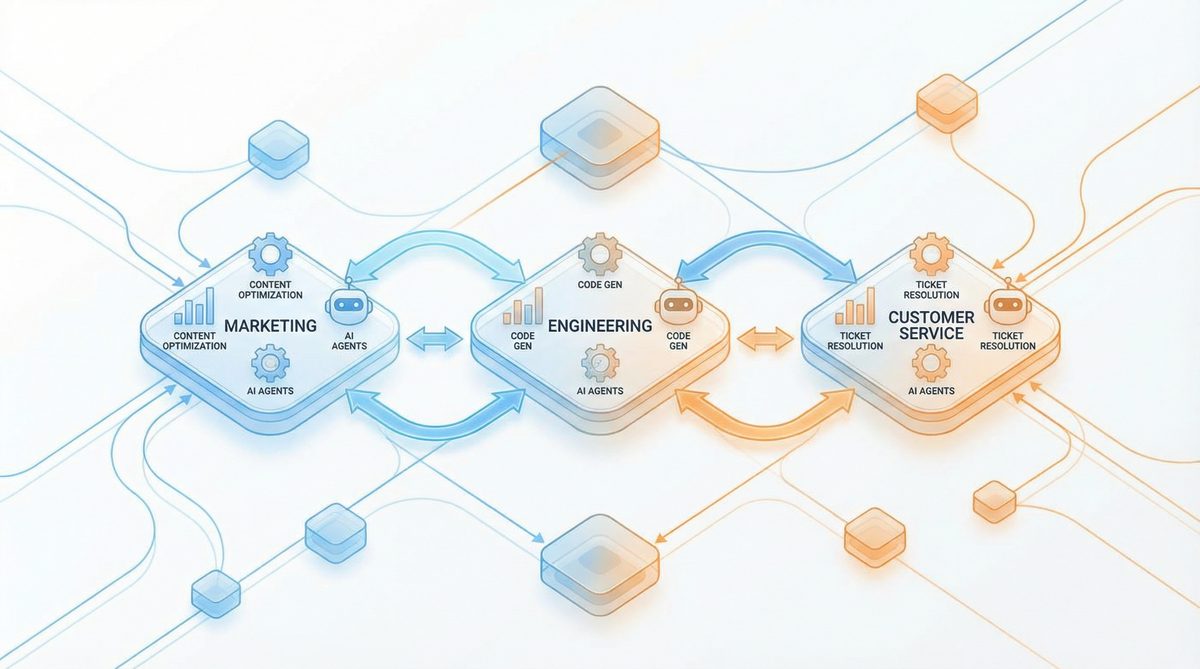
Artificial Intelligence (AI) agents have rapidly transitioned from experimental tools to integral components in enterprise operations. Today, organizations leverage AI agents not only to enhance productivity but also to drive innovation, optimize workflows, and expand revenue streams. This case study explores how enterprise teams are deploying AI agents effectively, focusing on three key examples: the Stanford Enterprise AI Playbook, CyberAgent’s use of ChatGPT Enterprise and Codex, and the measurable ROI and revenue expansion resulting from these integrations.
The Stanford Enterprise AI Playbook: A Framework for Adoption
Overview of the Playbook
Stanford University’s Enterprise AI Playbook serves as a comprehensive guide for organizations seeking to incorporate AI agents into their operations. Developed through extensive research and collaboration with industry leaders, the playbook outlines best practices, governance frameworks, and deployment strategies critical for successful AI integration.
Key Components of the Playbook
- Strategic Alignment: Ensuring AI initiatives align with business goals and customer needs.
- Ethical AI Governance: Implementing policies to address bias, transparency, and privacy.
- Scalable Infrastructure: Building robust data pipelines and computing resources for AI agent deployment.
- Cross-Functional Teams: Encouraging collaboration between data scientists, engineers, and business leaders.
- Continuous Monitoring & Feedback: Establishing mechanisms to evaluate AI performance and user impact.
Impact on Enterprises
Enterprises that adopted the Stanford Enterprise AI Playbook have reported accelerated AI project delivery times and improved stakeholder confidence in AI-driven decisions. The playbook’s emphasis on governance and ethical considerations has particularly helped companies mitigate risks commonly associated with AI deployments, such as data misuse and algorithmic bias.
Case Example: Financial Services Sector
A leading financial institution leveraged the playbook to deploy an AI agent for fraud detection. By aligning the AI model’s objectives with regulatory compliance and customer privacy—guided by the playbook’s governance framework—the bank reduced fraud-related losses by 30% within the first year of implementation.
How CyberAgent Leverages ChatGPT Enterprise and Codex for Innovation
About CyberAgent
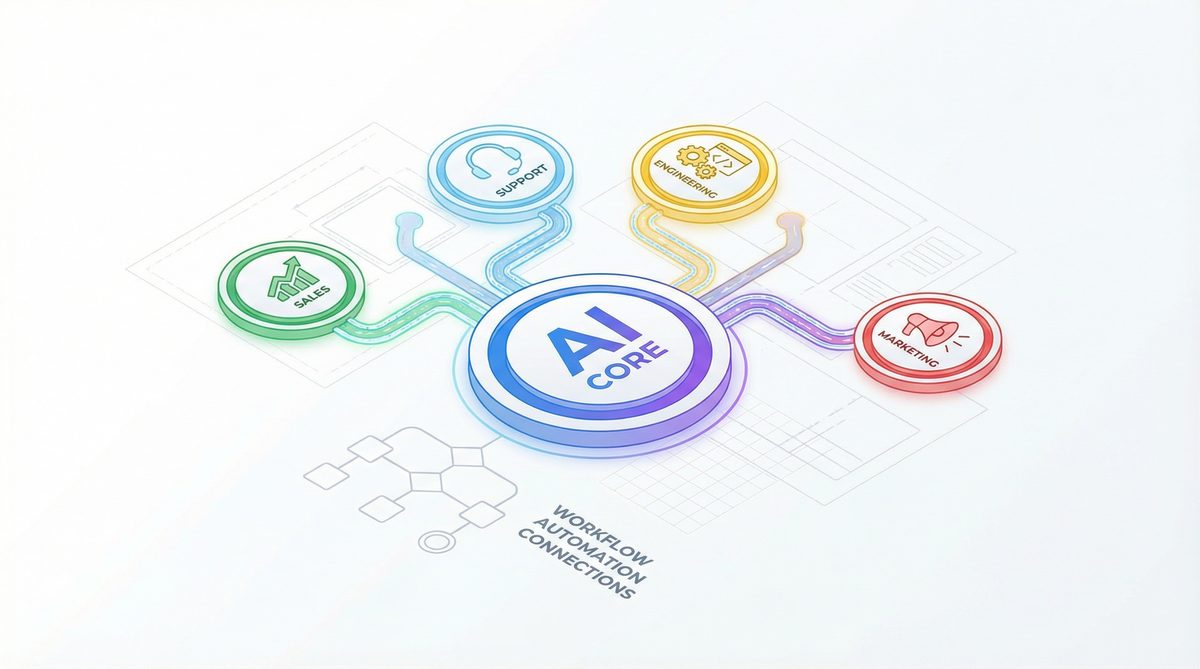
CyberAgent, a prominent digital advertising and internet services company based in Japan, has embraced AI agents to enhance its product offerings and internal workflows. By integrating ChatGPT Enterprise and Codex, CyberAgent has unlocked new capabilities in customer engagement, software development, and data analysis.
ChatGPT Enterprise in Customer Support
CyberAgent deploys ChatGPT Enterprise as an AI-driven customer support assistant that handles high volumes of queries across various digital platforms. The AI agent’s natural language understanding capabilities enable it to resolve common issues autonomously, escalating only complex cases to human agents. This hybrid approach has improved response times and customer satisfaction rates significantly.
Codex for Accelerated Software Development
Codex, an AI agent specialized in code generation, assists CyberAgent’s developers by automating the creation of boilerplate code, debugging, and generating documentation. Developers report a reduction of up to 40% in coding time for routine tasks, allowing them to focus on higher-value activities such as system architecture and innovation.
Integration Strategy and Challenges
- Seamless API Integration: CyberAgent ensured that ChatGPT Enterprise and Codex were integrated into existing platforms via secure APIs to maintain system stability.
- Data Privacy and Security: The company adopted strict data governance policies to protect sensitive client information while utilizing AI agents.
- Employee Training: Comprehensive training programs were rolled out to enable teams to effectively collaborate with AI agents, fostering a culture of AI augmentation rather than replacement.
ROI and Revenue Expansion: Measuring the Impact of AI Agents
Quantifying the return on investment (ROI) and revenue impact of AI agents is critical for enterprises to justify ongoing investments. The following analysis highlights how integrating AI agents such as ChatGPT Enterprise and Codex translates to tangible business outcomes.
Key ROI Drivers
- Operational Efficiency: AI agents reduce manual workload, enabling faster turnaround times and cost savings.
- Enhanced Customer Experience: Improved support quality leads to higher customer retention and acquisition.
- Innovation Acceleration: Automating routine development tasks shortens product release cycles and drives market competitiveness.
- Scalability: AI agents handle increasing workloads without proportional increases in headcount.
Quantitative Impact Across Enterprises
| Metric | Before AI Agent Deployment | After AI Agent Deployment | Percentage Improvement |
|---|---|---|---|
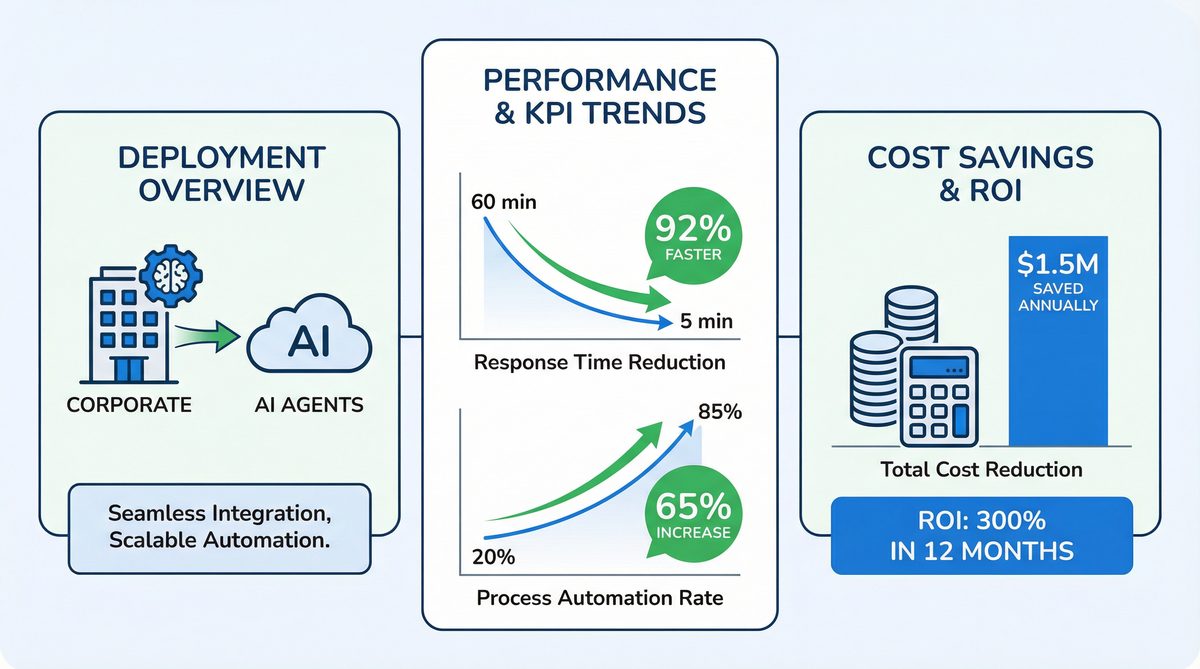
| Average Customer Support Response Time | 24 hours | 6 hours | 75% |
| Developer Coding Time for Routine Tasks | 40 hours/week | 24 hours/week | 40% |
| Fraud Detection Accuracy (Financial Sector) | 85% | 95% | 11.8% |
| Revenue Growth Attributed to AI Integration | Baseline | +15% annually | +15% |
Revenue Expansion Through AI Agents
Enterprises leveraging AI agents have observed direct revenue growth through multiple channels. Enhanced customer service capabilities translate into higher retention and upselling opportunities. Additionally, faster product development cycles enable companies to enter new markets and capitalize on emerging trends rapidly.
For instance, CyberAgent reported a 15% increase in annual revenue after incorporating ChatGPT Enterprise and Codex into their workflows. This growth was driven by a combination of improved advertising campaign effectiveness and reduced operational costs.
Challenges and Considerations for Maximizing ROI
- Initial Investment: High upfront costs in AI infrastructure and training can delay ROI realization.
- Change Management: Ensuring employee buy-in and adapting workflows is essential for effective AI adoption.
- Continuous Improvement: AI models require ongoing tuning and data updates to maintain performance.
Conclusion: AI Agents as Catalysts for Enterprise Transformation
AI agents are redefining how enterprise teams operate by automating complex tasks, enhancing customer interactions, and accelerating innovation. The Stanford Enterprise AI Playbook provides a robust framework for guiding AI adoption, while companies like CyberAgent demonstrate practical applications using tools such as ChatGPT Enterprise and Codex. The resulting improvements in operational efficiency, customer satisfaction, and revenue growth underscore AI agents’ strategic value in today’s competitive landscape.
Enterprises aiming to harness these benefits must focus on aligning AI initiatives with business objectives, fostering ethical governance, and investing in employee training to fully realize the potential of AI agents in production environments.
Access 40,000+ AI Prompts for ChatGPT, Claude & Codex — Free!
Subscribe to get instant access to our complete Notion Prompt Library — the largest curated collection of prompts for ChatGPT, Claude, OpenAI Codex, and other leading AI models. Optimized for real-world workflows across coding, research, content creation, and business.
Access Free Prompt Library