Multitasking in mobile operating systems has come a long way in recent years, and some devices feel more like working with traditional computers. A recent discovery shows it could get even better now that Google is about to make an important change to Android multitasking, which may improve the way people use mobile devices with AI.
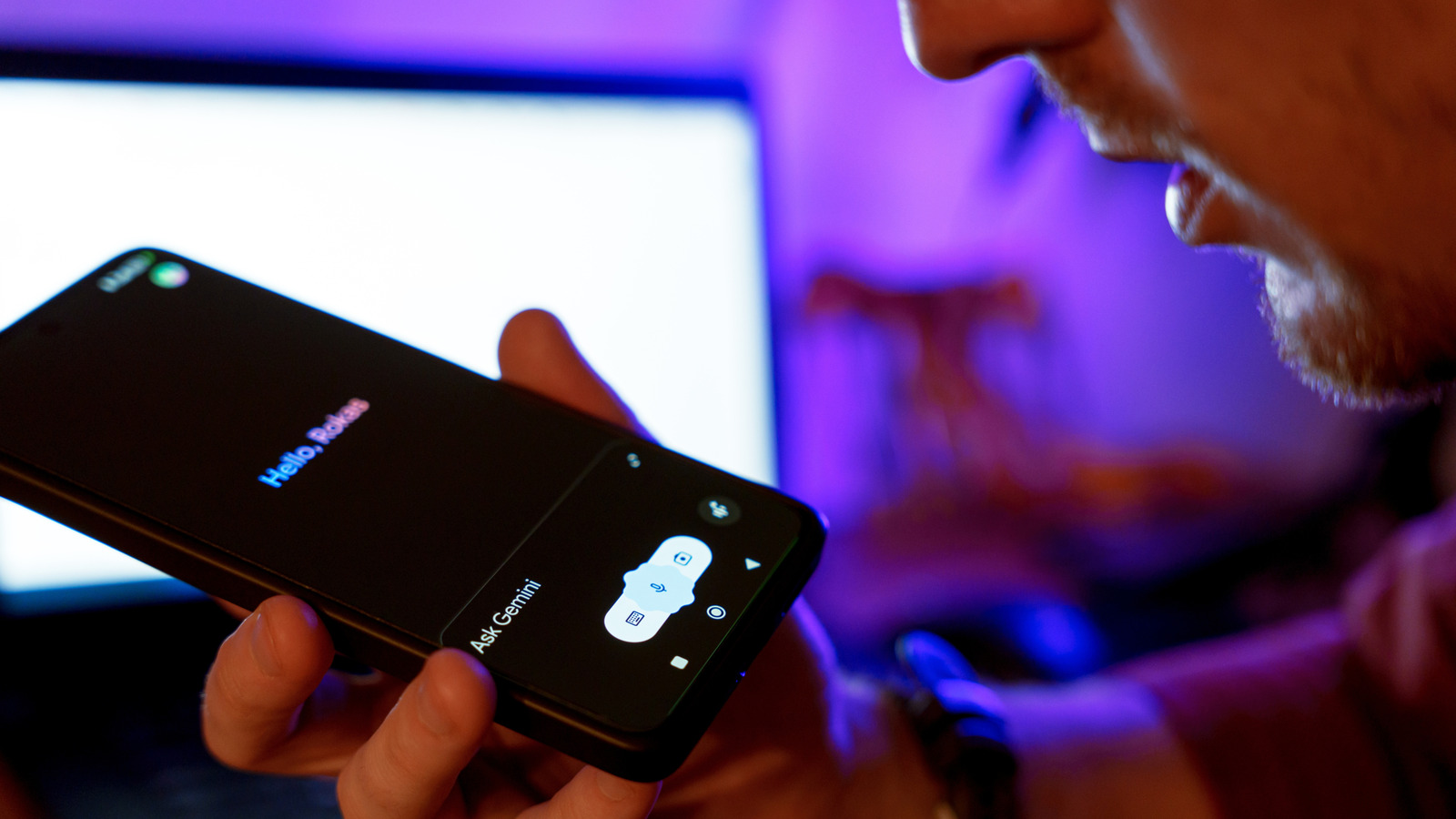
According to Android Authority, Google is working on a new feature for the Gemini app that allows users to use their smartphone normally while the AI generates a response. Android minimizes Gemini to an icon at the bottom of the screen, replacing the current behavior that forces it to remain on screen as it answers the prompt. The user receives visual cues from the Gemini overlay while being able to interact with a different app. An animation plays at the bottom of the screen to inform the user that the AI is still processing the latest request, and a notification appears when the answer is ready so the user can return to Gemini.
While the change concerns using Gemini at the same time as other apps, it’s a concept we can see being applied to other key apps in the future. Android, iOS, and iPadOS aren’t quite ready to replace traditional desktops and laptops, but they handle multiple apps and tasks better than before, especially on devices with AI perks like those on the Galaxy Z Fold 7. The combination of more powerful hardware and new form factors like foldables already opens the door to better productivity. An AI layer on top of it can further improve how we use smartphones.
Gemini may open the door to better Android multitasking
Google is testing the new Gemini multitasking feature in a beta version of the Google app for Android (version 16.51.52.sa.arm64 beta). If the test is successful, the feature may roll out in the near future. It’s unclear if this is a planned upgrade for all Android devices or exclusive to Google Pixel phones, or whether Google plans to unveil the AI-centric multitasking capability as a new feature in Android 17.
The feature is a welcome upgrade to the current Gemini experience, as it ensures the AI chat will remain active even if the user switches to a different app. Fans of generative AI chatbots may appreciate the change, as it’ll improve productivity, allowing them to switch seamlessly between Gemini and other Android apps. The new multitasking feature would work even better on foldable devices that support running multiple apps side by side. Similarly, the foldable Samsung Galaxy Z TriFold can benefit from such functionality, as it offers an even richer multitasking experience when unfolded. The device becomes a 10-inch tablet that can connect to a larger display for a desktop-like experience. A minimized, always-on Gemini app could have a place there.
While the new multitasking experience targets Gemini, several non-AI Android apps could benefit from a minimized state that lets them run tasks in the background while providing visual cues to the user. Google has delayed replacing Google Assistant with Gemini until next year, so the company now has more time to implement this new Android multitasking feature for Gemini before it becomes the default voice assistant experience.