Despite the global love for African music, the continent’s independent musicians are losing the battle for financial sustainability, earning as little as $300 for 100,000 streams. This is one of the problems that Hafrikplay, a pan-African digital content and streaming platform that claims to serve over 15,000 music artists and 100,000 active users, aims to solve.
Founded in 2021 by Omobosola Karimat Alaka (CEO), alongside Oluwamayowa Fapohunda (CTO), Destiny Ezenwata (Chief Software Developer), and Abolaji Alaka (COO), Hafrikplay’s solution is a decentralised dashboard that helps up-and-coming African musicians manage distribution, track analytics, and receive payments through a wallet, cutting out the middleman and making music revenue more sustainable.
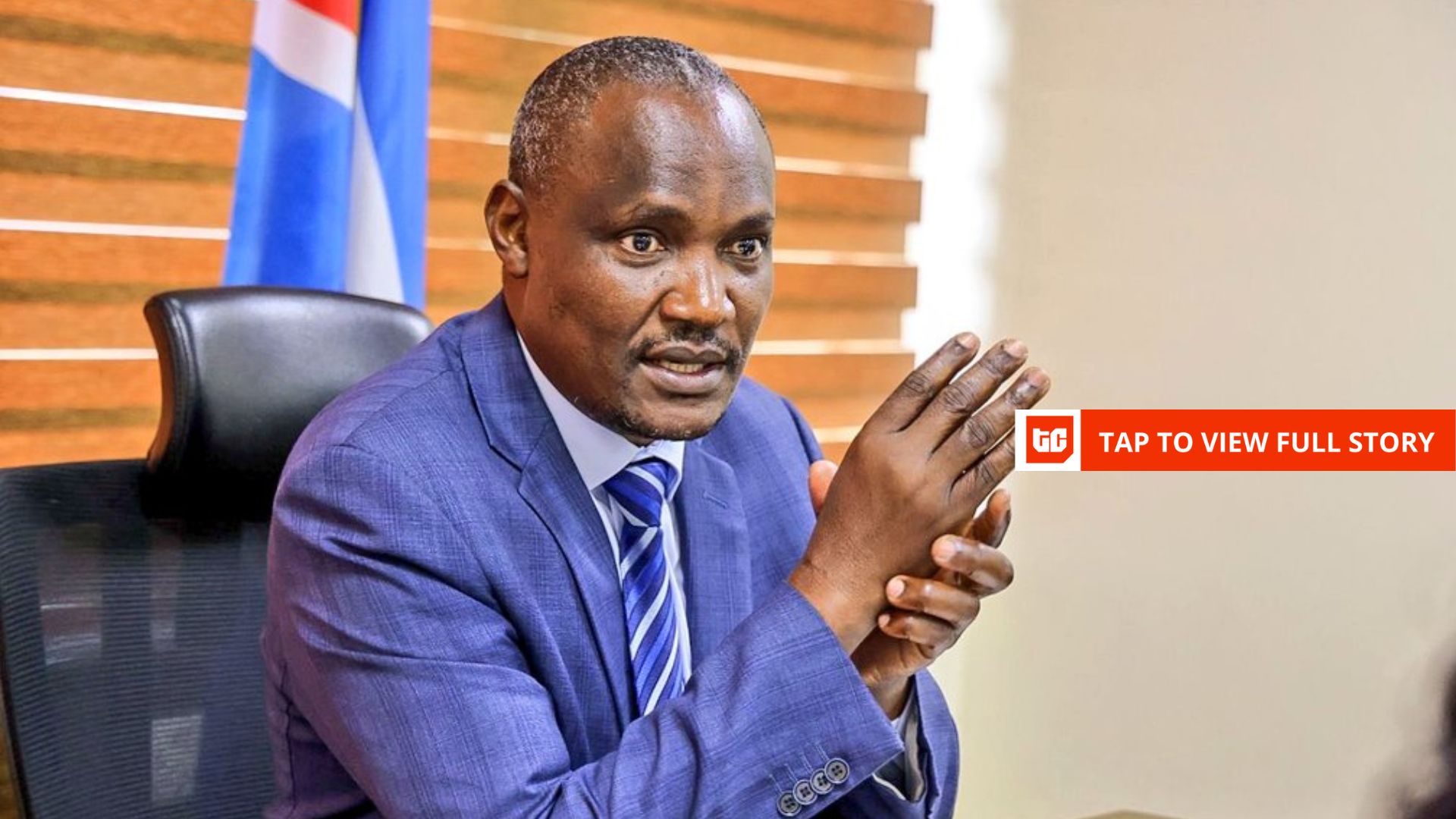
Alaka, Hafrikplay’s CEO, told that an artist’s ability to reach an audience is often choked by algorithms or the need for expensive advertising, adding that “if you don’t run ads on social media, you [will] struggle [as an African creative].” The high barrier to entry and opaque monetisation structures prevent talented artists from earning a sustainable income or achieving organic discovery.
Spotify pays artists between $0.003 – $0.005 per stream on average, Apple Music pays out an average of $0.01, and TIDAL pays on average $0.013 per stream. If you scale up the numbers to one million streams, you’ll see why many streams do not necessarily equal high revenue for African artists.
Perhaps the most formidable challenge Hafrikplay confronts is the perception of the Nigerian and wider African market as “subscription-averse.” The subscription is priced at ₦900 ($0.60) for listeners on the platform, cheaper than Spotify’s ₦1,600 ($1.07) monthly subscription.
To get music artists on the platform, Hafrikplay incentivises them by paying 10kobo per stream ($0.1042), higher than Spotify’s pay of between $0.003 and $0.0055 per stream. The platform also gets artists performance placements, playlist features, and ad placements
“Perhaps you want to have a 50-person listening party right now, and you want to sell tickets at ₦1,000; people can buy them on Hafrikplay, and the money comes directly into your wallet. Then Hafrikplay gets a commission of 25% for providing that infrastructure,” Alaka said.
Other monetisation models include voucher systems set to be deployed via local banks and payment platforms like Kuda and Wema Bank, as well as crucial integration with telecommunication companies, exemplified by a deal with MTN Nigeria that allows users to pay for daily, weekly, or monthly subscriptions by deducting the cost directly from their existing data plans. This diversified revenue structure, she said, ensures survival: “Survival in this market comes from diversified revenue and cultural relevance.”
Hafrikplay is not aspiring to be only a streaming service, but a “marketplace,” as Alaka put it. “We intend to give them (artists) a special profile that allows, perhaps even a digital artist that had some artwork to sell, to also be able to sell and make money directly into their wallets,” Alaka said, explaining that the platform would not be for musicians alone, but would be open in the future to other creatives such as photographers and visual storytellers.
For these creatives, Hafrikplay gives access to content collaboration, where, for instance, producers meet filmmakers to work with. They will also have access to digital monetisation assets such as vouchers and wallet credits.
To fuel its growth and content depth, the company is raising a $1 million Series A round, targeting a close by the first quarter of 2026. The initial strategic investment will focus on “extensive content acquisition, specifically targeting pre-existing African catalogues,” Alaka said.
In this highly contested market, Hafrikplay competes not only with global streaming giants like Spotify and Apple Music, but also with established local players like Mdundo, an African music streaming and download service that works directly with DJs and artists. According to Alaka, what makes Hafrikplay stand out with African competitors is “the all-in-one ecosystem: streaming plus distribution plus culture”.
*Exchange rate used is $1 to ₦1,500