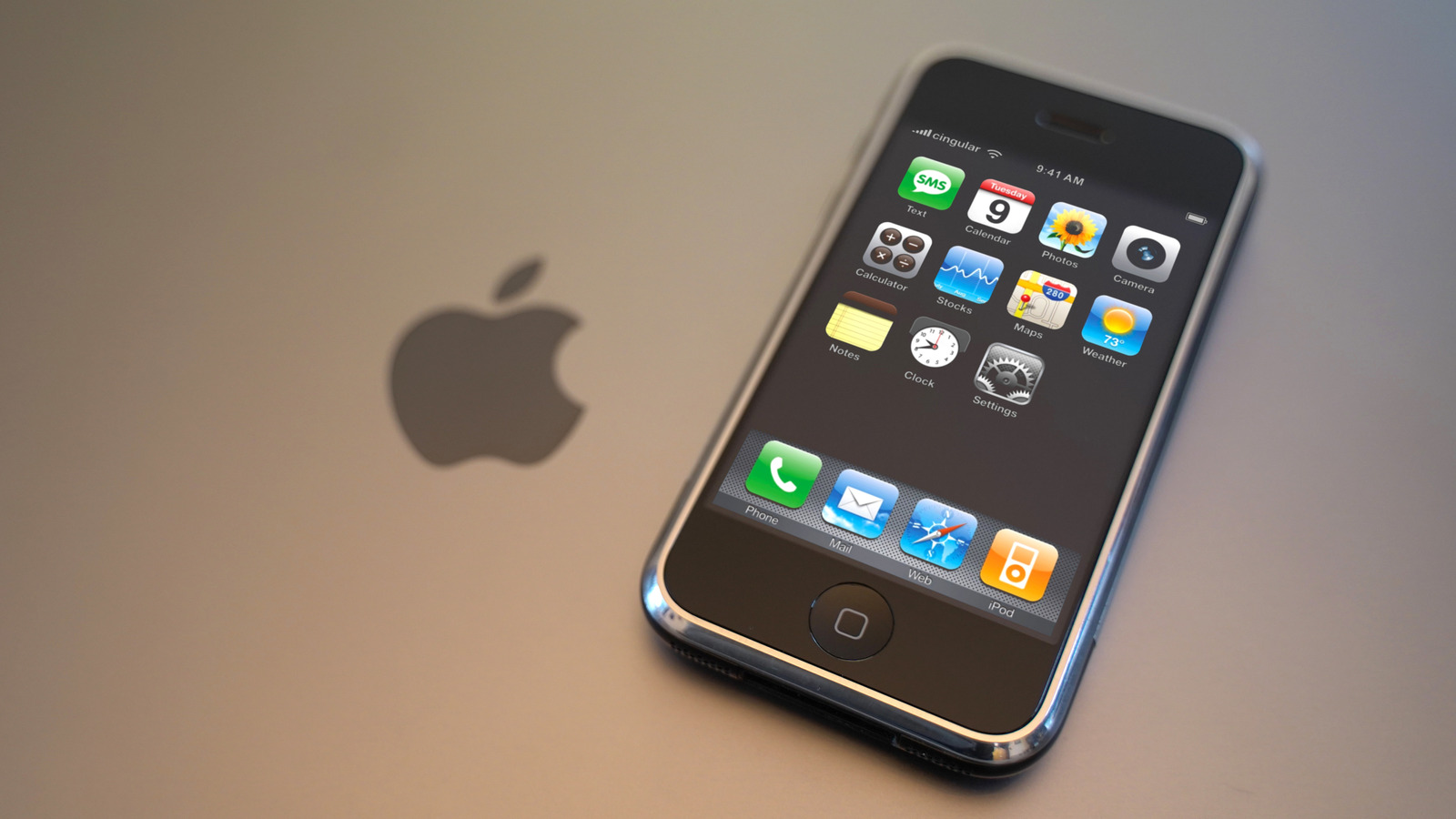
The reason almost all smartphones available in stores have all-screen designs, featuring large touch displays on the front instead of a screen paired with a QWERTY keyboard, is the original iPhone announced by late Apple CEO Steve Jobs on January 9, 2007. The original iPhone wasn’t the first handset to feature a touch display, but Apple was the company that launched the first touchscreen smartphone to achieve mainstream adoption.
Nearly 20 years later, Apple has five iPhones in stores, including the $599 iPhone 17e, which matches the price of the 8 GB version of the original iPhone, $599. Original iPhones are still available for sale, as previous owners routinely list used iPhone 2G models on auction sites like eBay. The better the condition, the higher the price buyers have to pay. The rarest models are the ones featuring 4 GB of storage, which are still in their original, unsealed packaging. These original iPhone units can fetch hundreds of thousands of dollars. For example, a 4 GB original iPhone in a factory-sealed box sold for $190,372.80 in the summer of 2023, with bids starting at $10,000. In spring 2024, a similar unit sold at auction for $130,027.20, while another reached $147,286.
However, Apple fans who want to get their hands on a used iPhone 2G will pay a lot less than that. A quick look on eBay shows that used first-generation iPhones can retail for under $100, but these aren’t highly prized collector editions like the sealed 4 GB units. The starting price can rise to several hundred dollars for a used, original iPhone that comes with the original box and all the accessories in it.
Why is the 4 GB original iPhone so special?
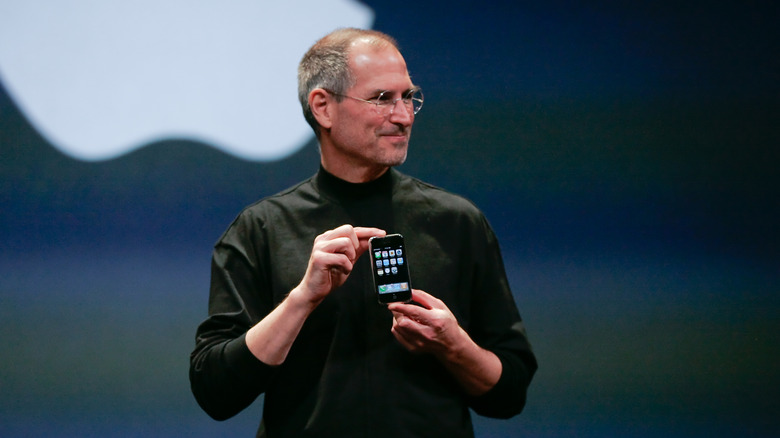
All iPhone 17 models feature at least 256 GB of storage, significantly higher than the original iPhone’s cheapest version. Storage goes up to 2 TB for the iPhone 17 Pro Max. When Steve Jobs announced the original iPhone, Apple priced the 4 GB option at $499 and the 8 GB model at $599. The phone would start selling on June 29, with Cingular (later rebranded to AT&T) as the only U.S. carrier to stock the iPhone. The two prices were not carrier-subsidized, and buyers would still need to get a new two-year contract with the mobile operators, with prices starting at $59.99 per month. A $36 activation fee was also part of the deal.
In early September 2007, Apple did something uncharacteristic by current standards. The company cut the price of the 8 GB model to $399 for the holiday season, giving new buyers a $200 discount compared to the original pricing. “The iPhone 4 GB model will be sold while supplies last,” Apple wrote at the time. Thus, the company put an end to the short-lived 4 GB original iPhone, which explains why this particular model can be so expensive, especially factory-sealed units. Interestingly, in February 2008 Apple added a 16 GB version to the original iPhone line, pricing it at $499. Regardless of storage tiers, at the time of the original iPhone’s release, the retail box contained a power adapter, a dock, wired earphones, and a charging cable.
Does the original iPhone work today?
All iPhone models that Apple sells in late March 2026 support 5G and 4G LTE connectivity, including the iPhone 17 series, the iPhone 16, and the iPhone 16 Plus. These models can be used with any U.S. carrier, unlike the original iPhone, which was tied to AT&T. As the unofficial name of the original iPhone implies, the iPhone 2G would need access to a 2G network for cellular capabilities. AT&T shut down its 2G network in 2017. As a result, the original iPhone would not be able to connect to AT&T’s current network. The device would still work over Wi-Fi, but its phone capability would be lost.
Cellular connectivity isn’t the only problem an original iPhone owner would run into. The first-generation handset runs an old version of iOS that doesn’t get updates (iPhone OS 3.1.3), and many modern apps do not support it. Moreover, a used original iPhone may have faulty components, like a battery that’s long past its prime. It may need repairs and a battery replacement or services Apple may no longer offer, given the many years since the original was retired.
As for the unsealed 4 GB iPhone 2G models that can retail for hundreds of thousands of dollars, they’re most valuable as collectors’ items kept in their original packaging.