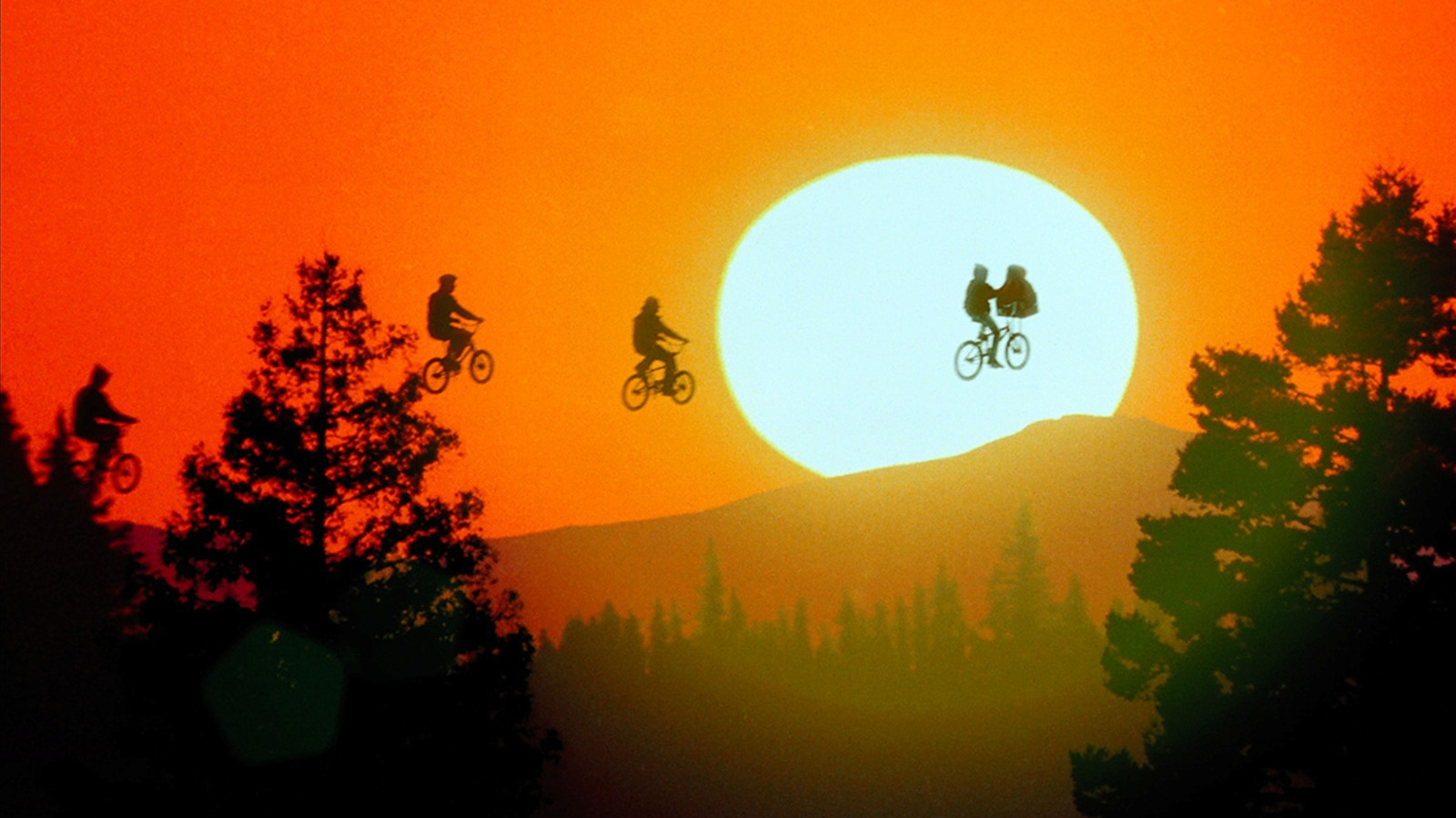
Determining the best year for sci-fi films is like debating history’s greatest band or sports team. There are multiple viable answers, but most connoisseurs know that one answer reigns supreme. To stand atop the sci-fi mountain, a release year should offer a complete roster of influential films — for instance, while many consider the 1970s the golden age of sci-fi cinema for classics like “Star Wars,” “Alien,” “Stalker,” and “Close Encounters of the Third Kind,” Hollywood hadn’t fully dedicated itself to the genre during that decade. Conversely, while more recent years may have seen a series of quality sci-fi releases, they lack the star power necessary to top the charts. Rarely does a single calendar year deliver the volume of high-quality sci-fi film releases as one year did: 1982.
Critic Chris Hashawaty makes that argument in his book, “The Future Was Now: Madmen, Mavericks, and the Epic Sci-Fi Summer of 1982.” According to Hashawaty, the success of late-’70s interstellar hits caught Hollywood unawares, resulting in a gradual half-decade shift that culminated in the fateful summer of 1982. In throwing its collective weight behind the genre, the American film industry achieved a rare blend of auteurism and mass appeal, producing an absurd collection of genre-defining masterpieces, influential undercards, and worthy B-movies that continue to leave their mark on the sci-fi canon.
While headlined by some of sci-fi’s most influential films, including “E.T. the Extra-Terrestrial,” “Blade Runner,” and “The Thing,” what cements 1982 in the annals of cinema history is how it complements all-time favorites with an unparalleled B-side of lauded sequels, resurrected comic books, technical marvels, cult classics, and foreign animated films. From “Conan the Barbarian” to “Liquid Sky,” 1982 sci-fi cinema produced something for every fan of the genre.
1982 had an unbeatable roster of summer sci-fi film releases
During a single eight-week period, theaters across the U.S. saw an astounding slate of genre fiction. It was headlined by the highest-grossing film of the decade: “E.T. the Extra-Terrestrial.” Steven Spielberg’s nostalgic romp, in which a group of schoolchildren rescue a stranded alien from suburban America, has stood the test of time as an indelible event in American culture. Deploying groundbreaking animatronics, revolutionary special effects, and unparalleled cinematography, Spielberg crafted a visual language for expressing the anxieties of childhood, forever changing family-friendly cinema in the process. As an allegory for divorce and childhood trauma, “E.T.” is one of the most vulnerable films in the American canon, not to mention a landmark cinematic achievement that still tugs on the heartstrings of audiences worldwide. For these reasons and more, “E.T.” topped the box office for 16 non-consecutive weekends — a record that still stands today — and arguably became the greatest standalone film in sci-fi history.
Spielberg’s creative process was so fruitful that it also birthed one of the decade’s best horror flicks, “Poltergeist.” Originally written about aliens, suburban America’s greatest ghost story pairs perfectly with its sci-fi companion, together standing as totemic reckonings of how children pay for the sins of both their families and of society at large.
Beyond “E.T.,” several 1982 releases redefined the sci-fi genre. John Carpenter’s inimitable horror crossover “The Thing,” in which Kurt Russell and a group of scientists unearth a shapeshifting alien in the Arctic, redefined audience expectations of genre filmmaking. It persists as one of the most suspenseful psychological thrillers ever made. Ridley Scott’s dystopian noir “Blade Runner,” starring Harrison Ford, remains a quintessential AI epic that’s shaped how we understand technological progress, as well as what makes us human.
1982 delivered incredible sci-fi movies beyond the blockbuster titles
Outside its obvious knockout classics, 1982 delivered an abundance of sci-fi flicks that revolutionized the genre. For instance, “Star Trek II: The Wrath of Khan” stands as a rare, better-than-the-original sequel that breathed life into one of America’s most adored intellectual properties. A second dynamite follow-up, “Mad Max 2,” which hit U.S. theaters in May 1982 as “The Road Warrior”, delivered both high-octane thrills and a masterclass in worldbuilding. Arnold Schwarzenegger’s “Conan the Barbarian,” another action blockbuster, resurrected the titular comic book hero and served as a launchpad for the bodybuilder-turned-actor’s meteoric career. Together, these lucrative films cemented the blueprint that “Star Wars” first laid, entrenching Hollywood’s hunger for big-budget franchises.
Meanwhile, Steven Lisberger’s “Tron” exhibited a similarly seismic effect on the industry. As the first film to feature extended scenes made entirely with CGI, “Tron” was a groundbreaking technical feat that paved the way for today’s digital techniques. For those craving underrated cult favorites, “Liquid Sky” and “Burst City” offer a delicious cocktail of avant-garde weirdness. Animation fans will be delighted by “The Time Masters” and “Treasure Planet,” both foreign-made space operas released in 1982.
All told, 1982 sci-fi films remain among the most influential in history. For better or worse, much of today’s cinema owes them a debt of gratitude for their novel production techniques, redefined genre expectations, and franchise-driven business models. However, the impact of ’82 cinema wouldn’t be recognized until years later. For instance, despite its critical and box office success, “E.T.” missed out on several Oscar nominations to Richard Attenborough’s “Gandhi.” Meanwhile, both “The Thing” and “Blade Runner” were critically lambasted money pits. Their belated success is a reminder that films are often like fine wines: the greatest ones get better with age.